Oslob Whale Shark Watching: Ethics, Rules and Better Alternatives
Swimming with whale sharks in Oslob is unforgettable, but the feeding raises real concerns. Here is how it works, the rules and the alternatives.
In this article
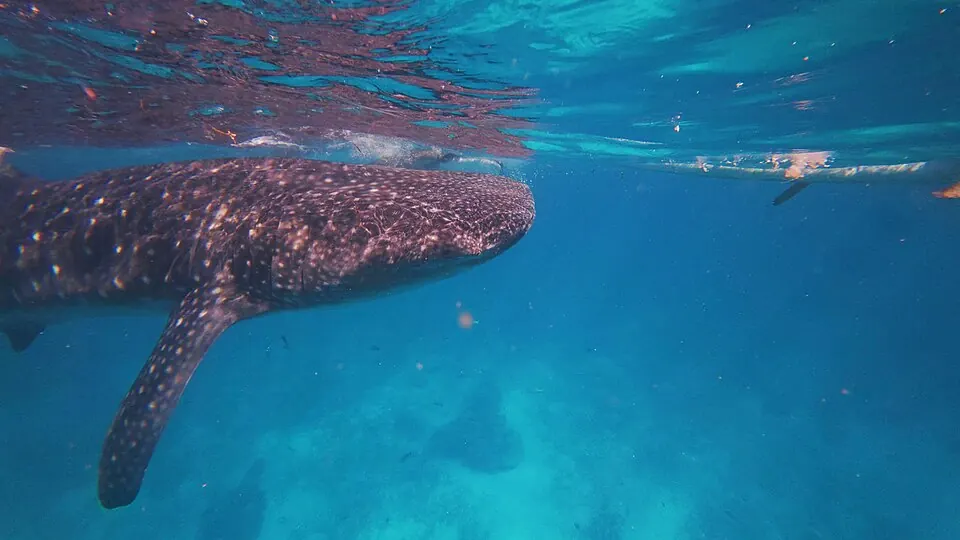
Oslob whale shark watching in Tan-awan, southern Cebu, lets visitors snorkel or watch from boats as whale sharks feed close to shore every morning. It is one of Cebu's most famous experiences, but it is also controversial, because the sharks are attracted by daily hand-feeding. If you go, follow the rules strictly; if the ethics worry you, there are wild whale shark encounters elsewhere in the Philippines.
Here is what to know before you decide.
How Oslob Whale Shark Watching Works
Whale sharks (butanding in Filipino) are the world's largest fish, gentle filter feeders that eat plankton and small fish. In Oslob, local fishermen began feeding them years ago, and the sharks learned to visit the same stretch of coast. The practice turned into an organised tourism activity managed by the local community and government.
A typical visit looks like this:
- Arrive early in the morning, when the interaction area opens.
- Register, pay the fees and attend a short briefing on the rules.
- Board a small paddle boat that takes you a short distance offshore.
- Watch from the boat or snorkel or dive near the sharks while boatmen feed them.
- Return to shore after a fixed time slot, usually around half an hour.
The encounters happen only in the morning. Arriving very early means fewer crowds.
Quick Facts
| Detail | Information |
|---|---|
| Location | Tan-awan, Oslob, southern Cebu |
| Distance from Cebu City | Roughly 3-4 hours by road |
| Best time of day | Early morning |
| Activities | Watching from boat, snorkelling, diving |
| Approximate fees | Roughly PHP 500-1,500 for foreign visitors; lower for locals |
| Nearby | Tumalog Falls, Sumilon Island, Simala Shrine on the way |
Fees are approximate and change; confirm current rates on arrival or with the local tourism office.
The Feeding Controversy
Marine biologists and conservation groups have raised several concerns about the Oslob whale sharks:
- Changed behaviour: Feeding encourages sharks to stay in one area for longer than they naturally would, which may disrupt normal migration and feeding patterns.
- Diet: The food given is not the varied plankton-rich diet the sharks would find in the wild.
- Injuries: Sharks that spend more time near boats are more likely to be hit or scarred by boat hulls and propellers.
- Association with people: Sharks that link boats with food may approach other boats elsewhere, putting them at risk.
- Crowding: Large numbers of tourists in the water at once can lead to touching and harassment, even when rules prohibit it.
On the other side, the activity has provided income for a fishing community and reduced incentives to hunt marine life, and local authorities have introduced rules to manage the interactions. Whale shark tourism in Oslob is a genuine debate, and many travellers now weigh these concerns before booking.
Rules for Oslob Whale Shark Encounters
If you decide to go, please follow these rules. Guides should brief you, but some visitors still break them.
- Do not touch the whale sharks. Ever.
- Keep your distance. Stay several metres away and move aside if a shark swims towards you.
- No flash photography.
- No sunscreen or lotion before entering the water, because it pollutes the water. Wear a rash guard instead.
- Do not ride, chase or block the sharks.
- Limit splashing and stay calm in the water.
- Respect your time slot and follow your boatman's instructions.
Ethical Alternatives for Seeing Whale Sharks
If you would rather see whale sharks behaving naturally, consider these places. Sightings are seasonal and never guaranteed, which is part of what makes them special.
| Place | Province | Rough season | Style of encounter |
|---|---|---|---|
| Donsol | Sorsogon, Luzon | Roughly December to May | Wild sightings from boats, snorkelling with guides |
| Southern Leyte (Sogod Bay area) | Southern Leyte, Visayas | Roughly late year to mid-year | Wild sightings, often with dive operators |
Seasons vary from year to year. Check with the local tourism offices or accredited operators before planning a trip. The Department of Tourism is a good starting point.
Other Things to Do Near Oslob
Oslob is far from Cebu City, so make the most of the trip.
- Tumalog Falls: A short ride from the whale shark area, this waterfall drops in thin streams over a mossy rock face into a cool pool. It is a lovely, relaxing stop after the morning encounter.
- Sumilon Island: A small island off Oslob known for its sandbar and clear water.
- Oslob heritage area: The town has a historic church and old coral-stone ruins by the sea.
- Simala Shrine: A popular pilgrimage stop on the way back; see how to get to Simala.
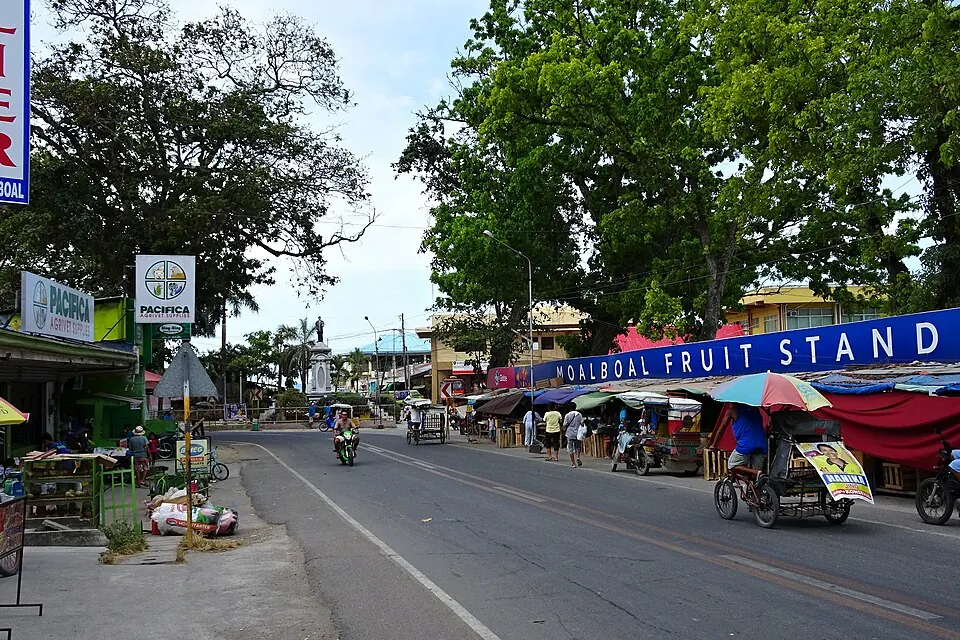
- Moalboal and Kawasan: On the west coast, home to the famous Moalboal sardine run and Kawasan Falls canyoneering.
How to Get to Oslob
Buses bound for Oslob and Bato (via Oslob) leave from the Cebu South Bus Terminal. The trip takes around three to four hours, depending on traffic and the type of bus. To reach Oslob for an early morning start, many travellers stay overnight in Oslob or nearby towns. Private car hire is faster and more flexible for groups.
Check the Cebu weather before heading out, as rough seas can affect boat activities. Our best time to visit Cebu and Davao guide explains the seasons.
Frequently Asked Questions
Is Oslob whale shark watching ethical?
It is debated. Critics say feeding changes the sharks' natural behaviour and increases injury risks, while supporters point to community income and regulated rules. Many travellers prefer wild encounters in places like Donsol.
Can you touch the whale sharks in Oslob?
No. Touching is strictly prohibited. Keep several metres away, avoid flash photography and do not wear sunscreen in the water.
What time should I go to see the Oslob whale sharks?
Early morning. The encounters happen only during morning hours, and arriving early means fewer crowds.
What is near Oslob?
Tumalog Falls, Sumilon Island and Oslob's heritage area are nearby. Simala Shrine is a common stop on the road back to Cebu City.