Cebu vs Davao: Key Differences to Know Before You Visit or Move
Cebu or Davao? We compare two of the biggest urban centres outside Metro Manila on cost, weather, food, beaches, nightlife, safety and transport so you can choose.
In this article
In the Cebu vs Davao debate, the short answer is this: Cebu is busier, more connected and better for island-hopping and nightlife, while Davao is greener, calmer, generally a little cheaper, and sits largely outside the main typhoon belt. Both are friendly, Bisaya-speaking cities with excellent food, so the right choice depends on what you want from your trip or your move.
Below we compare the two side by side, from weather and cost to beaches and getting around.
Cebu vs Davao at a glance
| Factor | Cebu | Davao |
|---|---|---|
| Vibe | Fast-paced, urban, tourist-heavy | Laid-back, orderly, spread out |
| Weather risk | In the typhoon path; strong storms do hit | South of the main typhoon belt; rarely hit directly |
| Signature food | Lechon, puso, sutukil seafood | Durian, pomelo, tuna, kinilaw |
| Beaches | Many, from Mactan to Moalboal, Bantayan and Malapascua | Samal and Talikud islands, a short boat ride away |
| Nightlife | Lively, especially around IT Park | Quieter, with strict city rules |
| Main airport | Mactan-Cebu International Airport | Francisco Bangoy International Airport |
| Language | Cebuano, English widely spoken | Cebuano with lots of Tagalog mixed in, English widely spoken |
| Cost of living | Moderate, higher in central areas | Moderate, often slightly lower |
Vibe and city feel
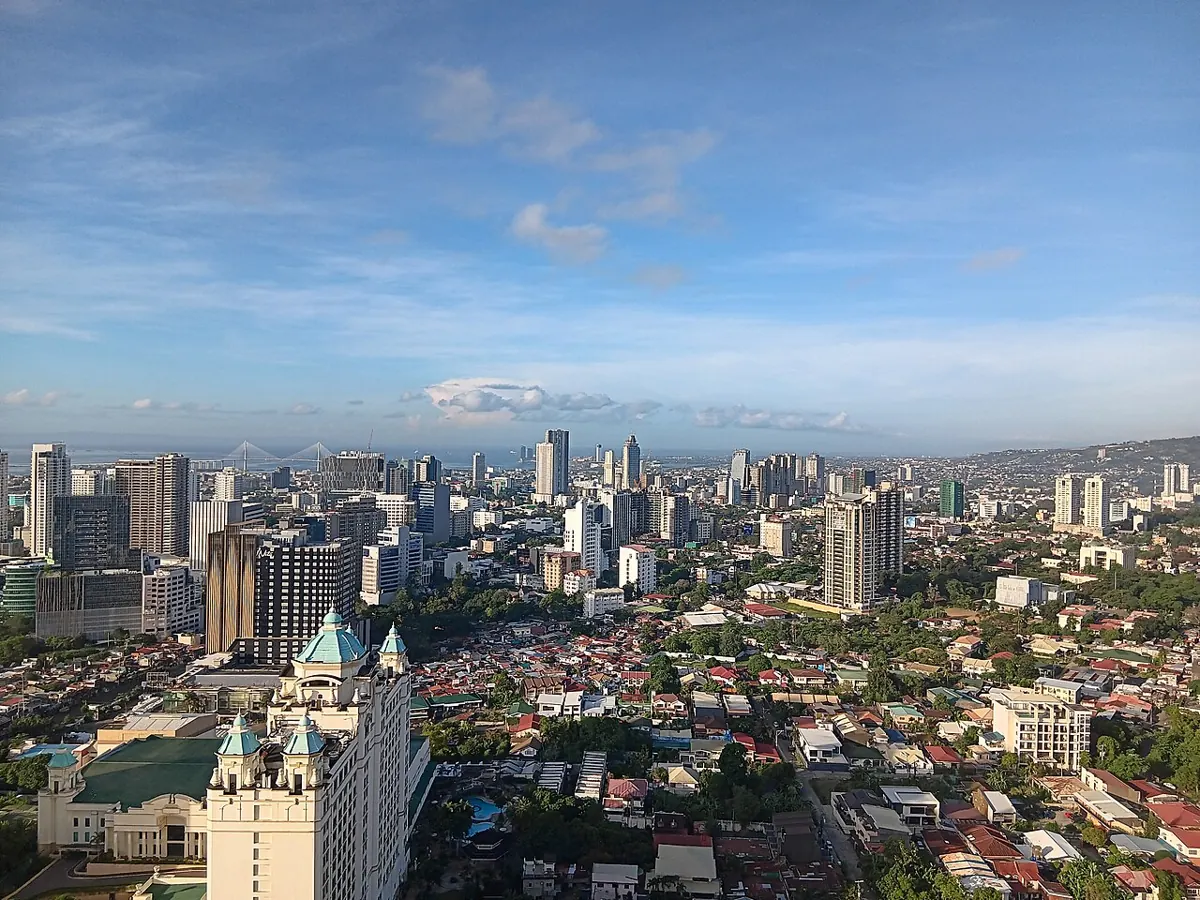
Metro Cebu is a dense urban region made up of Cebu City, Mandaue, Lapu-Lapu and nearby towns. It feels like a smaller Manila: traffic, shopping malls, business districts like Cebu IT Park and Cebu Business Park, and a steady flow of tourists heading to the islands. Online, fans of the growing skyline trade photos and project updates on forums such as SkyscraperCity, where Cebu's high-rise boom is a regular topic.
Davao City, by contrast, is one of the largest cities in the country by land area. Much of it is farmland, forest and mountain, including slopes leading up to Mount Apo. The downtown is busy but the overall pace is slower, and locals take pride in the city's cleanliness and order.
Weather and typhoons
Both cities have a tropical climate with a drier first half of the year and a wetter second half, though rain can fall any month. The big difference is typhoon exposure.
Cebu lies in the central Visayas, which typhoons cross regularly. Typhoon Odette (Rai) in December 2021 caused heavy damage across Cebu, a reminder that storms can arrive late in the year. Davao is located further south, below the usual track of most typhoons, so direct hits are rare. Rare does not mean never: Typhoon Pablo (Bopha) in 2012 devastated parts of Davao Region, and heavy rain can still bring floods and landslides. Learn how warnings work in our guide to PAGASA typhoon signals.
Cost of living and travel costs
Neither city is expensive by international standards. In general, Davao tends to be a little cheaper for rent, food and day-to-day expenses, while Cebu has more choice at every price point, especially in condos. Costs vary a lot by neighbourhood and lifestyle, so treat any figure you see online as a rough guide only. We break down approximate ranges in cost of living in Cebu vs Davao, and you can plan a trip with the trip budget calculator.
Food: lechon or durian?
Cebu's most famous food is lechon, whole roast pig with crisp skin and a herb-stuffed belly. Add puso (rice cooked in a woven coconut-leaf pouch), siomai sa Tisa, and fresh seafood grilled or turned into kinilaw at the sutukil spots in Mactan.
Davao is the fruit capital of the Philippines in many people's minds. Durian, pomelo, mangosteen and marang are everywhere in season, and the city is close to General Santos, the country's tuna hub, so grilled tuna jaw and kinilaw are local favourites. Davao also has a strong cacao and chocolate scene.
Beaches and nature
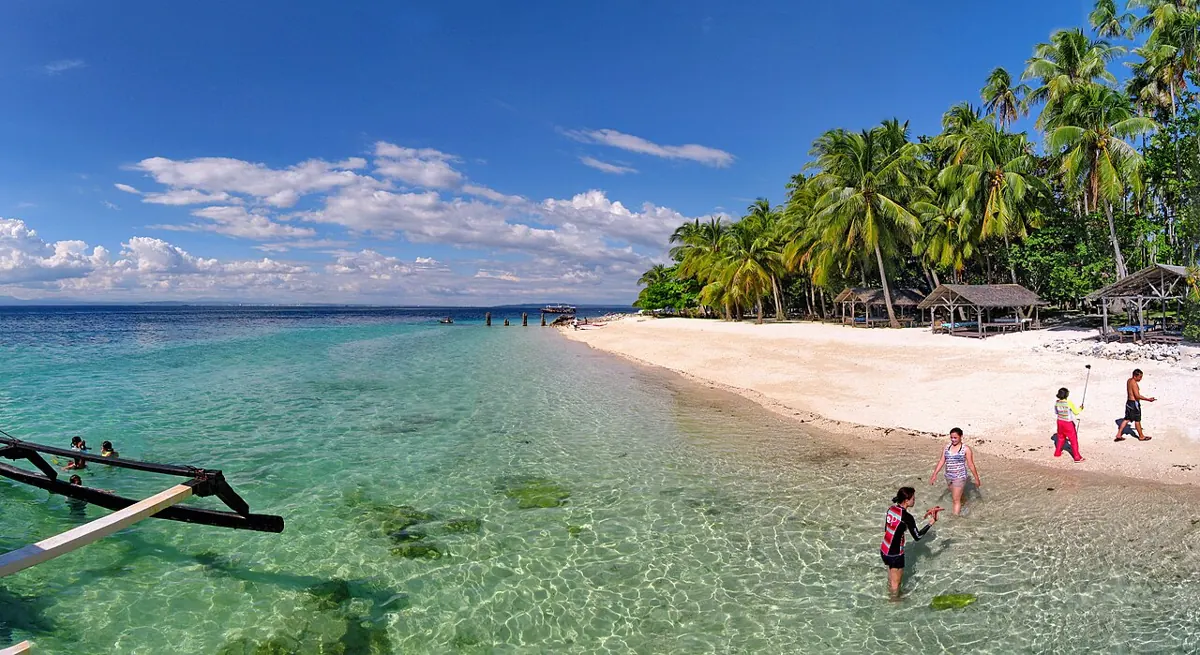
Cebu wins on variety. Within a day's travel you can swim with sardines in Moalboal, canyoneer at Kawasan Falls in Badian, relax on the white sand of Bantayan, or dive at Malapascua. Mactan has resort beaches just minutes from the airport.
Davao's beaches are mainly on Samal Island and Talikud, a short boat ride from the city. Inland, you have mountain resorts, the Philippine Eagle Center in Malagos, Eden Nature Park and the cool highlands of Marilog. If you love hiking, Mount Apo, the highest peak in the country, is within reach.
Nightlife and entertainment
Cebu has the more energetic night scene, with bars, live music and late-night food concentrated in areas such as IT Park and along major roads in the city. It is also home to a long tradition of Bisaya rock and live bands.
Davao is quieter after dark. The city is known for strict local rules, including a comprehensive public smoking ban and restrictions on firecrackers, and liquor sales are regulated. Many visitors find the calmer mood a plus, but party-seekers may prefer Cebu.
Safety
Both cities are generally welcoming to tourists, and normal city precautions apply: watch your phone in crowded areas, use registered taxis or ride-hailing apps, and keep valuables out of sight. Davao has a strong reputation for safety and visible security, while Cebu's busier streets call for a bit more attention to petty theft. Read our guide on whether Davao is safe for tourists for local rules visitors should know.
Transport and getting around
Both airports have direct domestic flights to Manila and many other cities, and Mactan-Cebu has more international routes. In Cebu, the Cebu-Cordova Link Expressway (CCLEX) adds a second route between Mactan and the mainland, but traffic is still a daily reality. Taxis, jeepneys, ride-hailing and motorcycle taxis are common in both cities.
Davao's roads are wide and traffic is usually lighter, though rush hour can still be slow. Jeepneys, taxis and ride-hailing cover most of the city. To compare travel distances, use our distance calculator.
Language and culture
Both cities speak Cebuano (Bisaya), so a few phrases go a long way in either place. Davao's version is often mixed with Tagalog because many residents have roots in Luzon and other parts of the Visayas. Davao is also home to many indigenous and Moro communities, which shows in festivals like Kadayawan. Cebu's culture centres on the Santo Niño and the Sinulog festival every January.
Which should you visit or move to?
- Choose Cebu if you want island-hopping, diving, nightlife, more flight connections and a big-city feel.
- Choose Davao if you prefer a calmer pace, more greenery, fruit and mountain trips, lower typhoon risk and slightly lower living costs.
- Do both if you can. Flights between the two cities are short and frequent.
Frequently Asked Questions
Is Davao cheaper than Cebu?
Generally, yes, Davao tends to be slightly cheaper for rent and everyday expenses, but it depends heavily on the area and your lifestyle. Always compare current listings before deciding.
Does Davao get typhoons?
Davao lies south of the main typhoon belt, so direct hits are rare. However, storms like Pablo in 2012 have caused serious damage in the region, and heavy rain can cause flooding.
Which is better for beaches, Cebu or Davao?
Cebu offers more variety, from Moalboal to Bantayan and Malapascua. Davao's best beaches are on nearby Samal and Talikud islands.
Do people in Cebu and Davao speak the same language?
Yes, both speak Cebuano (Bisaya), though Davao's version mixes in more Tagalog. English is widely understood in both cities.
How far is Cebu from Davao?
The two cities are a short direct flight apart. Travelling by land and sea is also possible but takes much longer and involves at least one ferry crossing.