Is Davao Safe for Tourists? City Rules and Safety Tips
Davao City has a reputation for order and strict rules. Here is what that means for visitors, what precautions still make sense, and how to check advisories.
In this article
Is Davao safe? For most visitors, Davao City is a comfortable and orderly place to travel, known across the Philippines for strict local rules, visible security and a calm atmosphere. Like any large city, though, it has ordinary risks such as petty theft and traffic accidents, and parts of wider Mindanao carry security advisories from foreign governments. This guide gives a balanced picture so you can plan sensibly.
Is Davao safe for tourists? The short answer
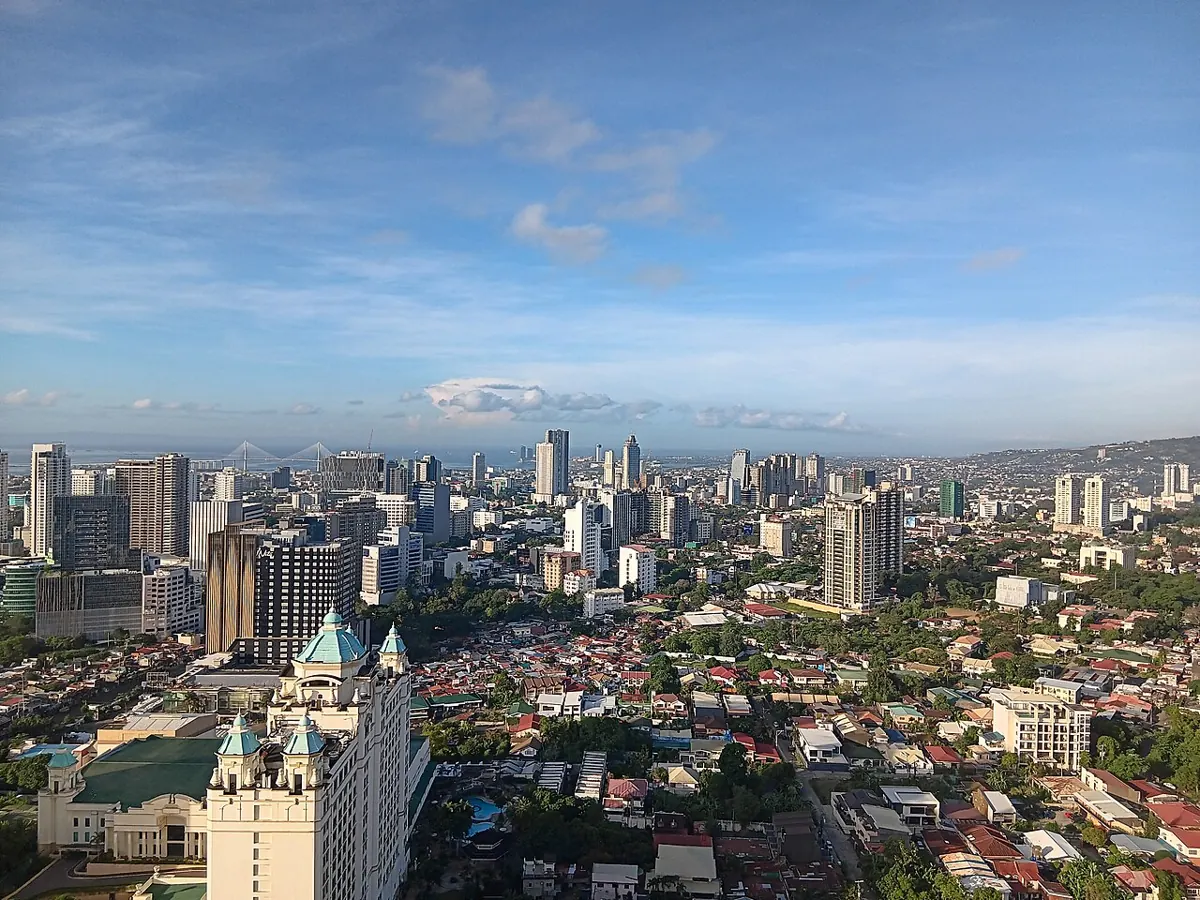
Davao City is one of the largest cities in the Philippines by land area, covering urban districts, farmland, forests and mountains, with more than 180 barangays. Most tourists stay in the city centre, the Lanang and Bajada areas, Matina and nearby Samal Island, and visit places like People's Park, the Philippine Eagle Center and Eden Nature Park without problems.
| Question | Quick answer |
|---|---|
| Is Davao City generally safe to visit? | Most visitors find it orderly and comfortable; use normal city precautions |
| Main day-to-day risks | Pickpocketing in crowds, phone snatching, road accidents, heat and dehydration |
| Are there strict local rules? | Yes: smoking ban, firecracker ban, liquor sale curfew, speed limits |
| Emergency number | 911 (Davao City Central 911) |
| Should I check travel advisories? | Yes, always check your own government's latest advice for Mindanao |
Davao's reputation for order
Davao City has long promoted itself as a safe and disciplined city, and many residents and returning visitors describe it that way. Security checkpoints and bag inspections at malls, terminals and some public places are normal. Taxis in Davao are also known for generally using the meter, which visitors appreciate; see our Davao airport taxi guide.
At the same time, reputation is not a guarantee. In September 2016, a bombing at the Roxas Avenue night market killed and injured many people, a reminder that no city is risk-free. Security at public gatherings was tightened afterwards, and the market has continued to operate. Mindanao was also under martial law from 2017 to 2019 following the Marawi siege, which took place far from Davao City in Lanao del Sur.
Davao City rules every visitor should know
Davao is strict about several local ordinances, and visitors are not exempt. Fines and penalties apply.
- Smoking ban: smoking is banned in public places, including enclosed and many open public areas, restaurants and public vehicles. The rule covers e-cigarettes and vapes in public places as well. Smoke only in designated areas, if any.
- Firecracker ban: the sale and use of firecrackers and pyrotechnics is banned in the city, including during New Year celebrations.
- Liquor curfew: the sale and serving of alcohol is restricted in the early morning hours (commonly cited as 1 a.m. to 8 a.m.). Bars close earlier than in some other Philippine cities.
- Speed limits: speed limits are enforced, and drivers are expected to follow them strictly. If you rent a car or motorbike, drive slowly and obey signs.
- Durian: not a law, but many hotels and vehicles do not allow durian inside. Eat it at the fruit stands.
Common-sense precautions in Davao
Davao is generally relaxed, but these habits help anywhere in the Philippines:
- Watch your phone and bag in crowded places such as malls, markets, jeepneys and the night market.
- Use registered transport. Metered taxis and ride-hailing apps are easy to find. Agree on fares in advance for tricycles and habal-habal (motorbike taxis).
- Keep copies of your documents. Store a photo of your passport and keep the original in your hotel safe.
- Be careful with money. Use ATMs inside malls or banks, and avoid counting cash in public.
- Stay hydrated and cover up. Davao is hot and sunny for most of the year; heat exhaustion is a real risk on day trips.
- Check the weather. Davao is south of the usual typhoon belt but still gets heavy rain and floods. See our Davao weather page.
- Respect local communities. Ask before photographing people, especially in indigenous and Moro communities.
Spots in Davao City: where to take extra care
We do not label any barangay or neighbourhood as "dangerous", because conditions change and broad labels are unfair to the people who live there. Instead, take extra care in these kinds of places:
- Crowded areas at night: night markets, terminals and busy streets, mainly for pickpocketing.
- Riverbanks and coastal areas during heavy rain: flash floods and strong currents can be dangerous.
- Remote upland areas: some rural and mountain areas of the city are far from services. Go with a reputable guide or tour operator, and register where required, for example before climbing Mount Apo.
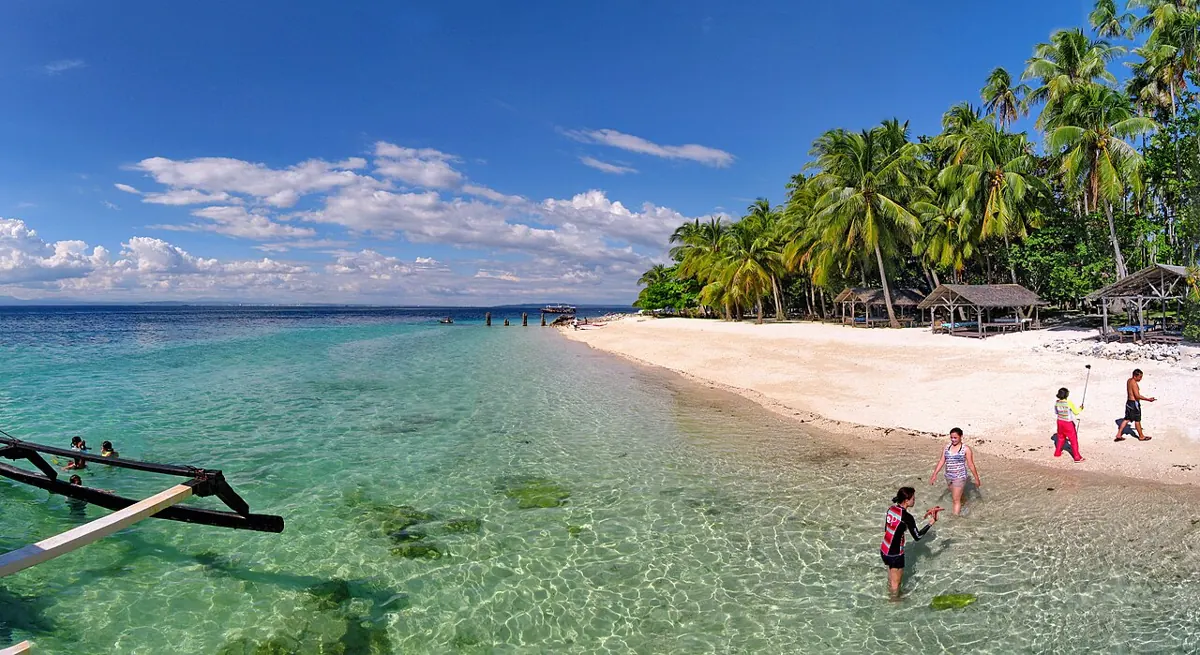
- Beaches and island-hopping: wear a life vest, check boat safety, and follow the advice of boat operators and resort staff.
For classic sightseeing, our 3-day Davao itinerary focuses on popular, well-visited spots.
Mindanao travel advisories
Several governments, including those of the United States, the United Kingdom, Australia and Canada, publish travel advisories for the Philippines that include warnings for parts of Mindanao. Their wording, the areas they cover and whether they treat Davao City differently from the wider region can change at any time.
Before you travel:
- Read your own government's latest advisory for the Philippines.
- Check whether your travel insurance covers the areas you plan to visit, as some policies exclude areas under advisories.
- Register with your embassy's traveller program if one is available.
Filipino travellers can follow updates from local authorities and trusted news outlets; see our list of Davao news sources.
Emergency numbers in Davao
| Service | How to reach |
|---|---|
| Emergency (police, fire, medical) | 911 (Davao City Central 911) |
| Your hotel front desk | Ask on check-in for their direct number |
| Your embassy | Save the number from your embassy's official website before you travel |
Davao City Central 911 is the city's emergency response system and handles police, fire and medical calls. Save 911 in your phone and know the address of where you are staying.
Frequently Asked Questions
Is Davao safe for tourists at night?
The city centre and popular areas are generally calm at night, and many visitors walk to restaurants and malls. Use normal precautions: stay in lit, busy areas, keep valuables out of sight, and take a taxi or ride-hailing car late at night.
Is Davao more dangerous than other Philippine cities?
Davao is generally considered one of the more orderly large cities in the country. Petty crime still happens, and foreign travel advisories for Mindanao should be checked before any trip.
Can I smoke or vape in Davao City?
Smoking and vaping are banned in most public places in Davao City. Look for designated smoking areas, and expect fines if you break the rule.
What is the emergency number in Davao?
Dial 911 for police, fire or medical emergencies. Davao City's Central 911 handles calls within the city.
Is Samal Island safe to visit?
Samal is a popular beach destination for locals and tourists. Choose reputable resorts and boat operators, wear life vests on boats, and read our guide on getting to Samal Island.