PAGASA Typhoon Signal Levels 1 to 5 Explained: What to Do
What Signal No. 1 to No. 5 mean, how to read rainfall warnings, why Davao is rarely hit but not immune, and a checklist to prepare your family for typhoon season.
In this article
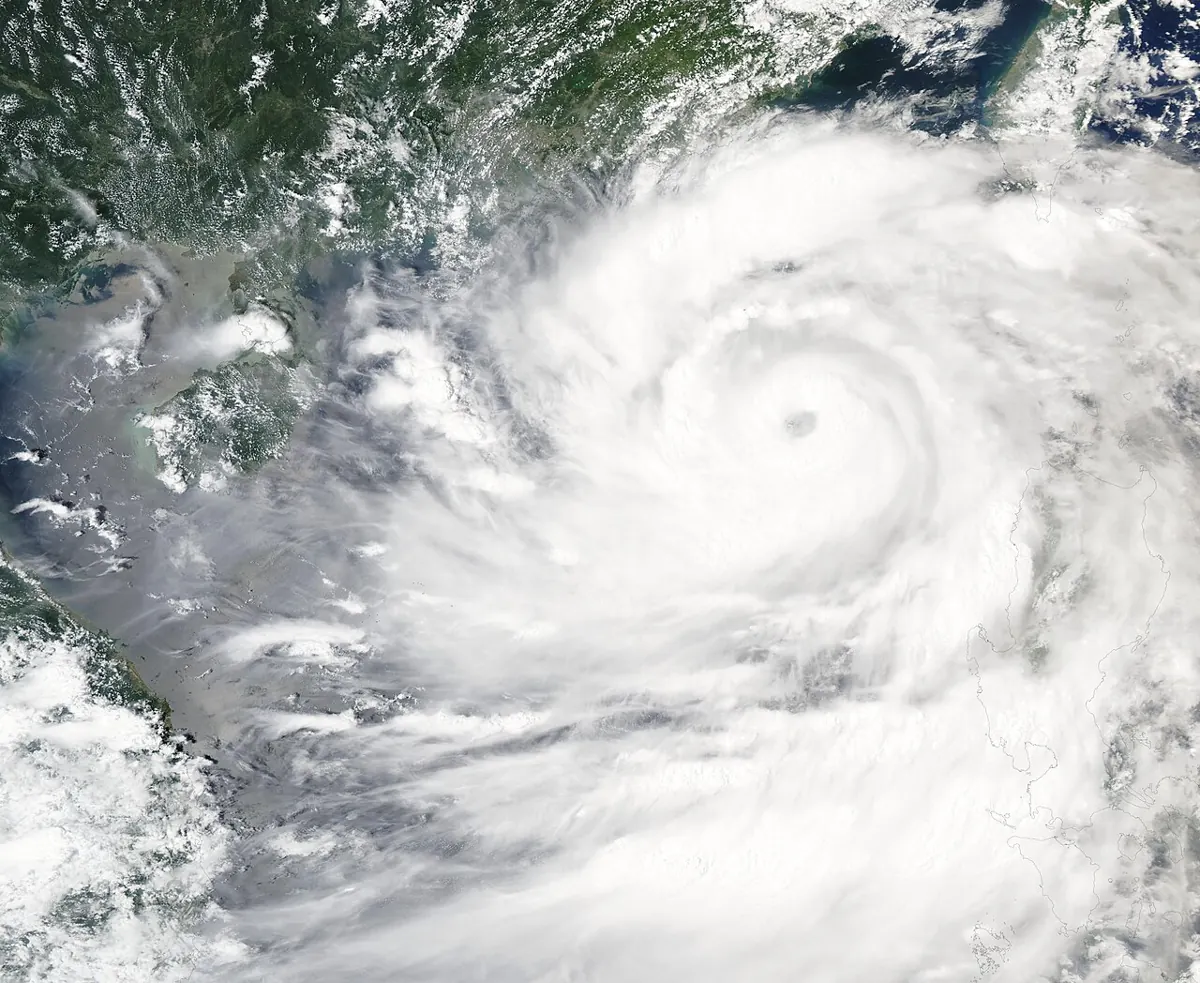
A PAGASA typhoon signal, officially a Tropical Cyclone Wind Signal (TCWS), tells you how strong the winds are expected to be in your area and how soon they will arrive. There are five levels: Signal No. 1 means strong winds within 36 hours, while Signal No. 5 means extreme typhoon-force winds of 185 km/h or more within 12 hours. The higher the number, the more urgent it is to finish preparations and follow evacuation orders.
Here is what each level means, what to do, and how to stay safe in Cebu, Davao and anywhere in the Philippines.
PAGASA typhoon signal levels at a glance
PAGASA (the Philippine Atmospheric, Geophysical and Astronomical Services Administration) uses a five-level wind signal system.
| Signal | Wind strength | Approximate wind speed | Lead time | Possible impact |
|---|---|---|---|---|
| No. 1 | Strong winds | 39 to 61 km/h | 36 hours | Minimal to minor damage |
| No. 2 | Gale-force winds | 62 to 88 km/h | 24 hours | Minor to moderate damage |
| No. 3 | Storm-force winds | 89 to 117 km/h | 18 hours | Moderate to significant damage |
| No. 4 | Typhoon-force winds | 118 to 184 km/h | 12 hours | Significant to severe damage |
| No. 5 | Typhoon-force winds | 185 km/h or higher | 12 hours | Severe to extreme damage |
The lead time is how far ahead of the expected winds the signal is raised. Signals refer to winds; heavy rain, floods and storm surge can happen at any signal level, and sometimes even without a signal.
What to do at each signal level
Signal No. 1
- Monitor PAGASA bulletins and your local government's announcements.
- Check your emergency kit and charge phones and power banks.
- Secure loose items outside your home.
- Small boats and sea travel may be affected; check with ferry operators before going to the port.
Signal No. 2
- Stock up on drinking water, food and medicines for several days.
- Bring in plants, signs and anything that could be blown away.
- Expect class suspensions and cancelled sea trips. Follow your LGU and school announcements.
- If you live in a flood-prone or landslide-prone area, be ready to evacuate.
Signal No. 3
- Stay indoors and away from windows.
- Follow evacuation orders immediately, especially in coastal, low-lying or hillside areas.
- Expect power and communication outages.
- Avoid travel unless absolutely necessary.
Signal No. 4 and No. 5
- These signals mean a very dangerous situation. If you have been told to evacuate, go now.
- Shelter in the strongest part of a sturdy building, away from windows.
- Coastal residents face the risk of storm surge, which can flood areas far inland.
- Do not go outside during the "calm" of the eye; winds will return from the opposite direction.
Typhoon categories
PAGASA also classifies tropical cyclones by strength. You will hear these terms on the news.
| Category | Maximum sustained winds |
|---|---|
| Tropical Depression | up to 61 km/h |
| Tropical Storm | 62 to 88 km/h |
| Severe Tropical Storm | 89 to 117 km/h |
| Typhoon | 118 to 184 km/h |
| Super Typhoon | 185 km/h or higher |
Storms are given local Filipino names when they enter the Philippine Area of Responsibility (PAR), which is why a storm may have both an international name and a local one, like Odette (Rai) in 2021.
Rainfall warnings: yellow, orange and red
PAGASA issues separate color-coded heavy rainfall warnings, mainly for Metro Manila and other areas covered by its regional services. These are based on how much rain is falling or expected.
| Warning | Rainfall (approx. in 1 hour) | Meaning | What to do |
|---|---|---|---|
| Yellow | 7.5 to 15 mm | Flooding possible in low-lying areas | Monitor the weather |
| Orange | 15 to 30 mm | Flooding is threatening | Be alert and prepare to evacuate |
| Red | more than 30 mm | Serious flooding expected | Evacuate if told to |
Thunderstorm and flood advisories are also issued by PAGASA's regional centres, including those covering the Visayas and Mindanao.
Typhoon season in the Philippines
Tropical cyclones can form any month, but the Philippines usually sees the most between roughly June and November. Many storms track across northern and central Luzon in the middle of the year, while the Visayas, including Cebu, are often hit later, from about October to December. Typhoon Yolanda (Haiyan) in November 2013 and Odette (Rai) in December 2021 both brought heavy damage to the Visayas. If you are planning a trip, see our guide to the best time to visit Cebu and Davao.
Check the current conditions for Cebu below, or visit our weather page for Davao and other cities.
Why Davao is rarely hit, but not immune
Davao City sits in southern Mindanao, below the usual paths of most typhoons, which mostly cross the Visayas and Luzon. That is why Davao is often described as "outside the typhoon belt". It is a real advantage, and one reason many people consider moving there; we compare both cities in Cebu vs Davao.
However, rare does not mean never. Typhoon Pablo (Bopha) in December 2012 caused devastating damage in parts of Davao Region, especially Davao Oriental and what is now Davao de Oro. Mindanao can also see heavy rain, floods and landslides from the trailing effects of storms elsewhere, from the monsoon, and from local thunderstorms. Davao residents should prepare just like everyone else.
Emergency kit checklist
Prepare a "go bag" for every household, and check it at the start of each rainy season.
- Drinking water (enough for several days per person)
- Ready-to-eat food and a manual can opener
- Flashlight, extra batteries and a battery-powered radio
- Fully charged power banks and phone cables
- First-aid kit and maintenance medicines
- Copies of IDs and important documents in a waterproof bag
- Some cash in small bills; ATMs may not work during outages
- Whistle, raincoat, extra clothes and sturdy footwear
- Hygiene items, face masks and baby or pet supplies if needed
Where to get official updates
Follow PAGASA's official website and its verified social media pages, your city or municipal disaster risk reduction office, and trusted news outlets. Be careful with forwarded messages and edited screenshots during storms; learn how to spot fake news in the Philippines.
Frequently Asked Questions
What is the highest PAGASA typhoon signal?
Signal No. 5 is the highest. It means typhoon-force winds of 185 km/h or more are expected within 12 hours.
Are classes automatically suspended during typhoon signals?
Class suspensions depend on the signal level and on rules from DepEd, CHED and local governments. Follow official LGU and school announcements for your area.
What is the difference between a wind signal and a rainfall warning?
Wind signals describe expected wind strength from a tropical cyclone. Rainfall warnings describe how much rain is falling and the risk of flooding, which can happen even without a typhoon.
Does Davao get typhoons?
Davao is south of the main typhoon belt, so direct hits are rare. However, Typhoon Pablo in 2012 caused major damage in the region, and floods can occur during heavy rain.
When is typhoon season in the Philippines?
Typhoons can happen any month, but they are most frequent from about June to November. The Visayas are often affected later in the year.