Cafes in Cebu and Davao: Local Coffee and Cafe Culture Guide
From Mount Apo arabica to Cebu's sikwate and puto maya, here's how cafe culture works in Cebu and Davao, what to order, and how to be a good laptop guest.
In this article
Cafes in Cebu are everywhere, from IT Park's laptop-friendly coffee bars to neighbourhood shops serving sikwate (thick hot chocolate) with puto maya (sticky rice cakes). Davao adds something special: coffee and cacao grown on the slopes around Mount Apo, roasted and brewed close to where it's farmed. This guide explains the local beans, the third-wave scene, what to order, and the etiquette for working from a cafe.
Cafes in Cebu and Davao at a glance
| Cebu | Davao | |
|---|---|---|
| Vibe | Busy, urban, lots of work-from-cafe crowds | Relaxed, green, farm-to-cup pride |
| Local stars | Sikwate with puto maya, coffee from various Philippine regions | Mount Apo and Davao del Sur arabica, local cacao and tablea |
| Popular areas | IT Park, Cebu Business Park, Banilad, Mactan | Lanang, Obrero, Poblacion, Matina, malls |
| Good for | Remote work, meetings, late-night study | Single-origin coffee, chocolate drinks, quiet reading |
| House rule to remember | Buy something if you stay for hours | No smoking anywhere, including outdoor areas in many places |
Philippine coffee 101
The Philippines grows four main coffee types, which surprises many visitors:
| Coffee type | What it's like | Where you'll meet it |
|---|---|---|
| Arabica | Bright, aromatic, often fruity | Highlands, including the Mount Apo area in Mindanao and the Cordillera in Luzon |
| Robusta | Strong, bitter, more caffeine | Widely grown; used in instant and blends |
| Liberica (kapeng barako) | Bold, smoky, unusual aroma | Famous in Batangas |
| Excelsa | Tart, fruity, complex | Grown in several regions; often blended |
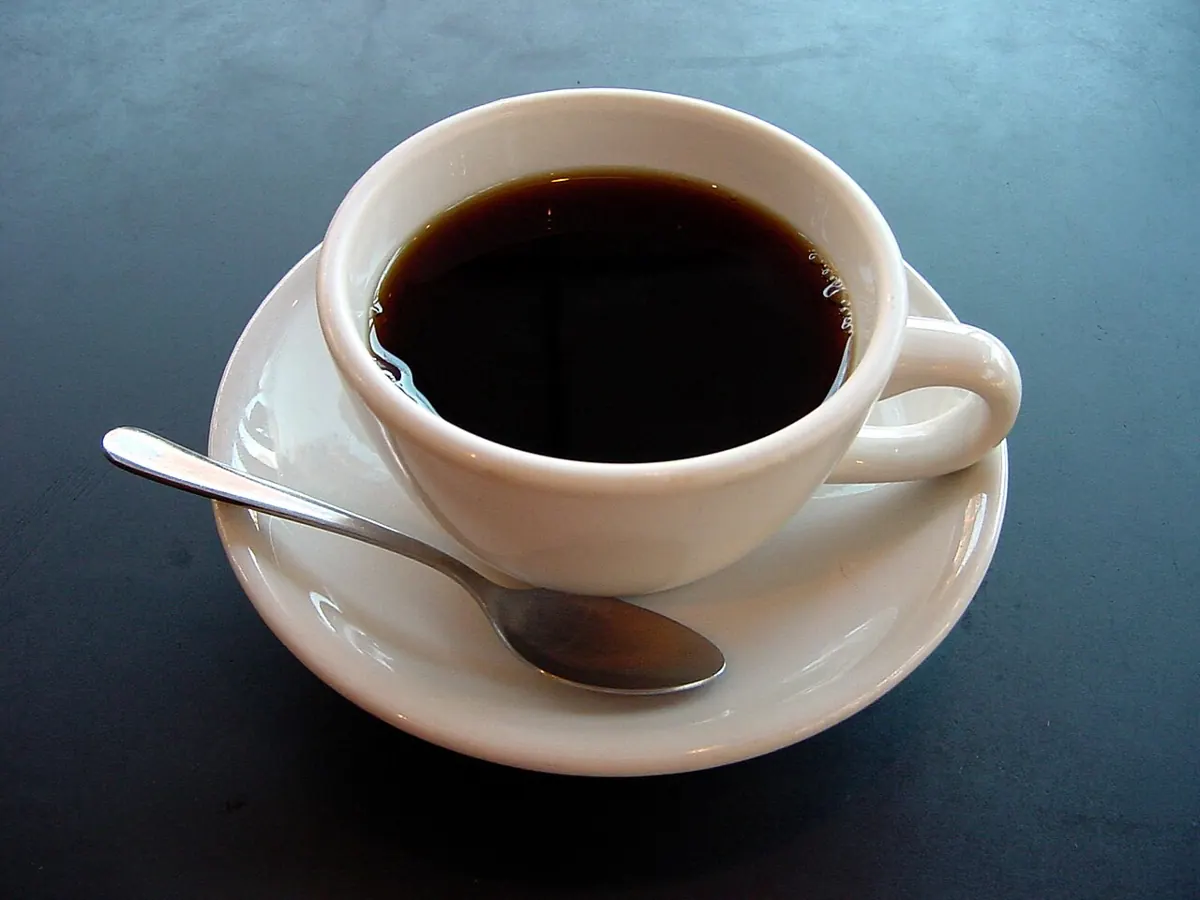
Coffee is kape in both Bisaya and Tagalog. Order "kape nga mainit" (hot coffee) or simply point at the menu. Our Bisaya phrases guide has more useful lines.
Davao coffee: arabica from the Mount Apo slopes
Davao's highlands are among the country's best-known areas for specialty arabica. Farms on the slopes of Mount Apo, including the Kapatagan area of Digos in Davao del Sur, grow coffee at high elevation in cool air and volcanic soil, and Philippine growers from the region have earned attention in specialty coffee circles.
Many Davao cafes serve single-origin brews from these farms, with tasting notes on the menu. If you're curious, ask the barista which farm or area the beans come from and order a pour-over to taste the difference.
If you visit the uplands, you can combine coffee with sightseeing. Our guides to Mount Apo and Marilog District cover the cool, green side of Davao.
Davao cacao and chocolate drinks
Davao is equally proud of its cacao. The Calinan and Malagos area is known for chocolate made from locally grown beans, and Malagos-branded chocolate has become one of the region's best-known products. Many cafes offer hot chocolate made from tablea (pure ground cacao tablets) or local chocolate, which is thicker and less sweet than powdered mixes.
For a farm visit, see our guide on how to get to Malagos Garden Resort.
Cebu's sikwate tradition
Before espresso machines, Cebuanos had sikwate: hot chocolate made by melting tablea in water or milk and whisking it with a wooden batirol until frothy. It's traditionally served with puto maya (sticky rice cooked with coconut milk and ginger) and ripe mango, especially for breakfast or after early Mass.
You'll still find sikwate and puto maya at markets, carinderias and some cafes. It's one of the most Cebuano things you can order. Our Cebu street food guide lists more local snacks.
The third-wave and specialty coffee scene
Over the past decade, both cities have seen a boom in specialty and third-wave cafes. Expect:
- Espresso drinks made with carefully roasted beans, sometimes local, sometimes imported.
- Manual brewing such as pour-over, AeroPress and cold brew.
- Local flavours like ube lattes, muscovado sweeteners, coconut milk drinks and calamansi tonics.
- Small roasters selling bags of beans to take home, including Philippine single origins.
- Big chains in malls and business districts for reliable Wi-Fi and long hours.
Cebu's IT Park and Cebu Business Park have many cafes catering to BPO workers, students and freelancers, some open very late. Davao's cafes are spread across Lanang, Obrero, Poblacion and Matina, with many in restored houses or garden settings.
What to order: a quick guide
| If you like... | Try this |
|---|---|
| Something local and traditional | Sikwate with puto maya (Cebu) or tablea hot chocolate (Davao) |
| Bright, fruity coffee | A pour-over of Mindanao arabica |
| Strong and bold | Kapeng barako, black or with muscovado |
| Sweet and fun | Ube latte, sea salt latte or a Spanish latte |
| Something cold | Iced coffee or cold brew, very welcome in the heat |
| No caffeine | Calamansi juice, tsokolate or a local fruit shake |
Working from cafes: etiquette
Cafes in Cebu and Davao are popular with remote workers. Our digital nomad guide covers co-working and visas; here are the cafe basics.
- Order regularly. If you stay for several hours, order another drink or a snack every couple of hours.
- Don't hog big tables alone during busy lunch hours; move to a smaller seat if needed.
- Ask before plugging in where outlets are limited.
- Use headphones for calls and videos, and keep calls short.
- Check the Wi-Fi rules. Some cafes limit time or ask for a receipt code.
- Mind the smoking rules. Davao has a strict citywide smoking ban, and many Cebu cafes are non-smoking too.
Slow connection? Our guide to home internet in Cebu and Davao explains your options if you're staying longer.
How much does coffee cost?
Prices vary widely by type of cafe, so treat these as rough, approximate ranges that change over time.
| Item | Approx. price range |
|---|---|
| Kape from a carinderia or sari-sari store | Under ₱50 |
| Brewed coffee at a local cafe | Around ₱80-₱150 |
| Espresso-based drinks at specialty cafes | Around ₱120-₱250 |
| Pour-over of single-origin beans | Around ₱150-₱300 |
| Bag of local beans (250 g) | Around ₱300-₱700 |
For a wider view of daily expenses, see our cost of living in Cebu vs Davao guide.
Frequently Asked Questions
Where are the best areas for cafes in Cebu?
IT Park, Cebu Business Park and Banilad have many cafes, including late-night and laptop-friendly spots. Mactan also has a growing number near resorts and the airport.
Does Davao grow its own coffee?
Yes. Arabica is grown in the highlands around Mount Apo, including the Kapatagan area of Digos in Davao del Sur, and many Davao cafes serve local beans.
What is sikwate?
Sikwate is Cebuano hot chocolate made from tablea (pure cacao tablets), whisked until frothy. It's traditionally paired with puto maya and mango.
Is it okay to work from cafes in Cebu and Davao?
Yes, it's very common. Order regularly, avoid taking big tables alone during rush hours, and keep calls quiet.