Digital Nomad Philippines Guide: Working From Cebu and Davao
Fibre internet, coworking spaces, beaches on weekends and a new digital nomad visa. What remote workers need to know before basing themselves in Cebu or Davao.
In this article
For a digital nomad Philippines base outside Manila, Cebu and Davao are two of the strongest choices: both have fibre internet, modern malls and condos, coworking options, an international airport and beaches within easy reach. Cebu is busier and more international, while Davao is calmer, greener and often a little cheaper. This guide covers internet, areas to live, approximate costs, visas, including the Philippines' new digital nomad visa, and health insurance.
Digital nomad Philippines bases: Cebu vs Davao
| Factor | Cebu | Davao |
|---|---|---|
| Vibe | Busy, international, BPO hub | Relaxed, orderly, nature nearby |
| Airport | Mactan-Cebu International, more international routes | Francisco Bangoy International, some international routes |
| Internet | Fibre widely available in the metro | Fibre widely available in the city centre |
| Coworking | Many options, especially around IT Park and Business Park | Fewer but growing options |
| Weekend escapes | Moalboal, Bohol, Bantayan, Malapascua | Samal Island, Mount Apo foothills, Eden Nature Park |
| Weather | Typhoons possible, mainly in the second half of the year | Generally south of the main typhoon belt |
| Cost of living | Moderate | Moderate, often slightly lower |
For a broader comparison of the two cities, see our Cebu vs Davao guide.
Internet: fibre and mobile data
Reliable internet is the first question for any remote worker.
- Home fibre: major providers such as PLDT, Globe and Converge offer fibre plans in both cities, and speeds have improved a lot in recent years. Availability depends on the building, so ask your landlord which providers are already installed. Our guide to the best internet providers in Cebu and Davao compares them.
- Mobile data: Smart, Globe and DITO sell prepaid SIMs with data. Buy a SIM from an official store and register it with your passport, as SIM registration is required by law.
- Backup: keep a pocket Wi-Fi or a second SIM on a different network so a single outage does not stop your work.
- Satellite: Starlink is available in the Philippines and is used by some people in areas without fibre.
Coworking and places to work
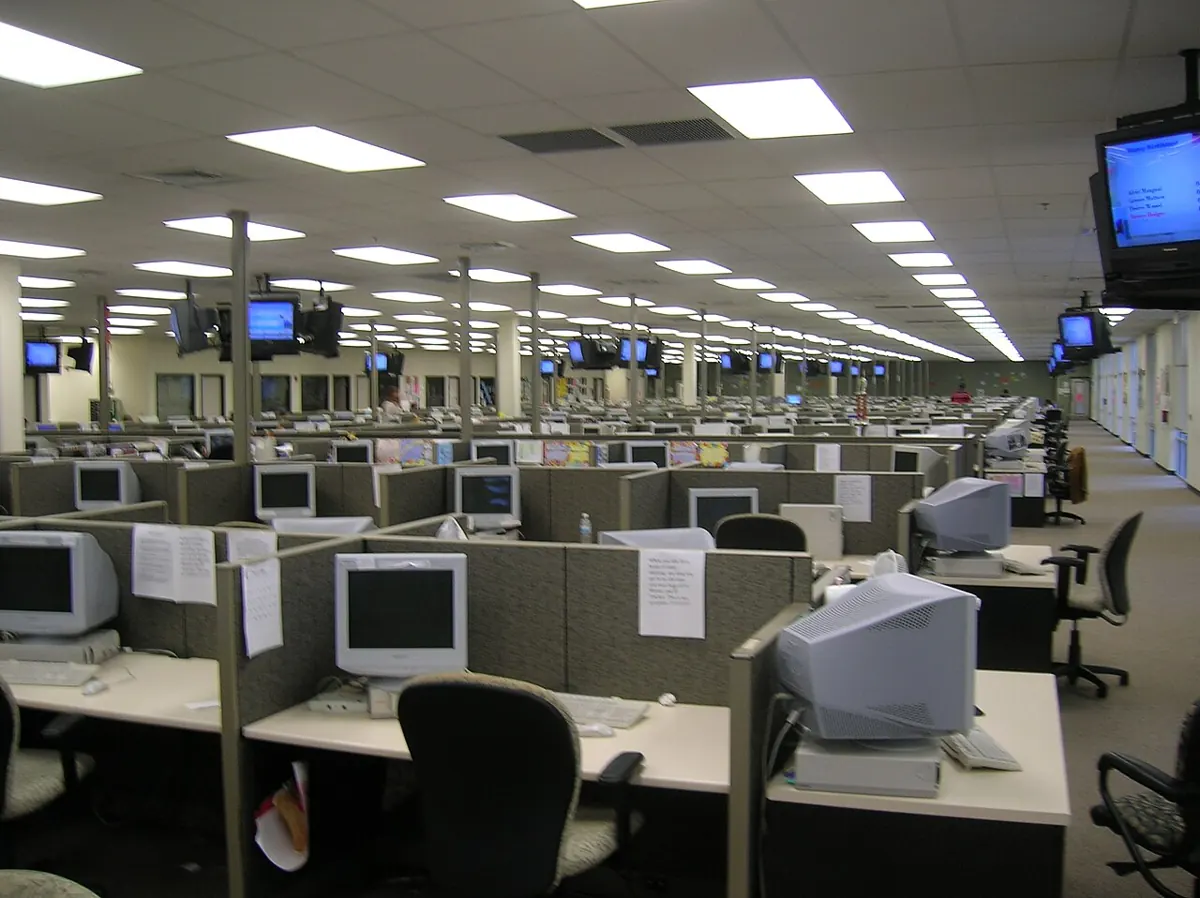
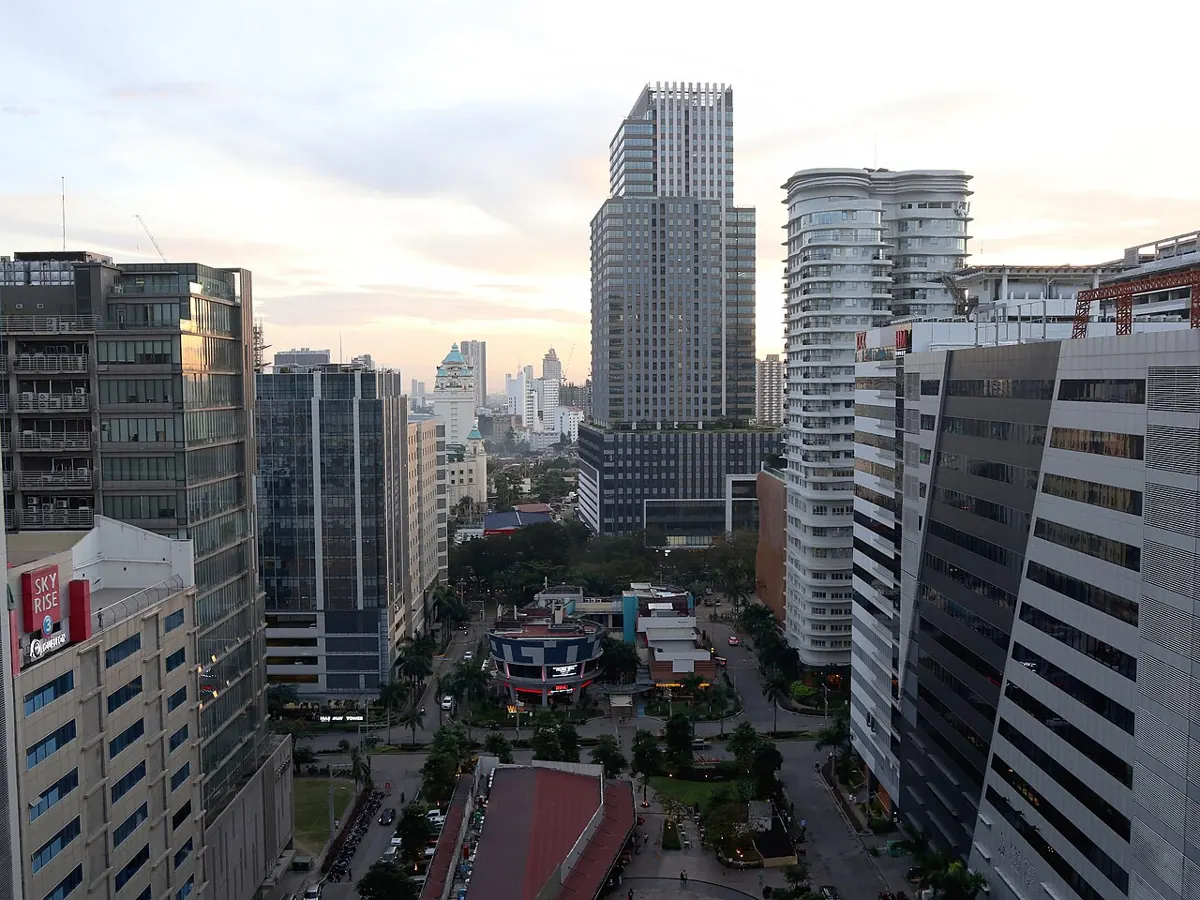
Cebu: the area around Cebu IT Park in Lahug and Cebu Business Park has the biggest cluster of coworking spaces, cafes and serviced offices. Mactan and Mandaue have growing options too, convenient for the airport.
Davao: coworking spaces and laptop-friendly cafes are found mainly in central areas such as Lanang, Bajada, Obrero and around the main malls.
Coworking day passes and monthly memberships vary widely. As a rough guide, monthly hot-desk memberships in both cities are commonly in the low thousands to several thousand pesos, but check current rates directly. Many cafes near these hubs also welcome laptop users for a few hours.
Where to live
Cebu
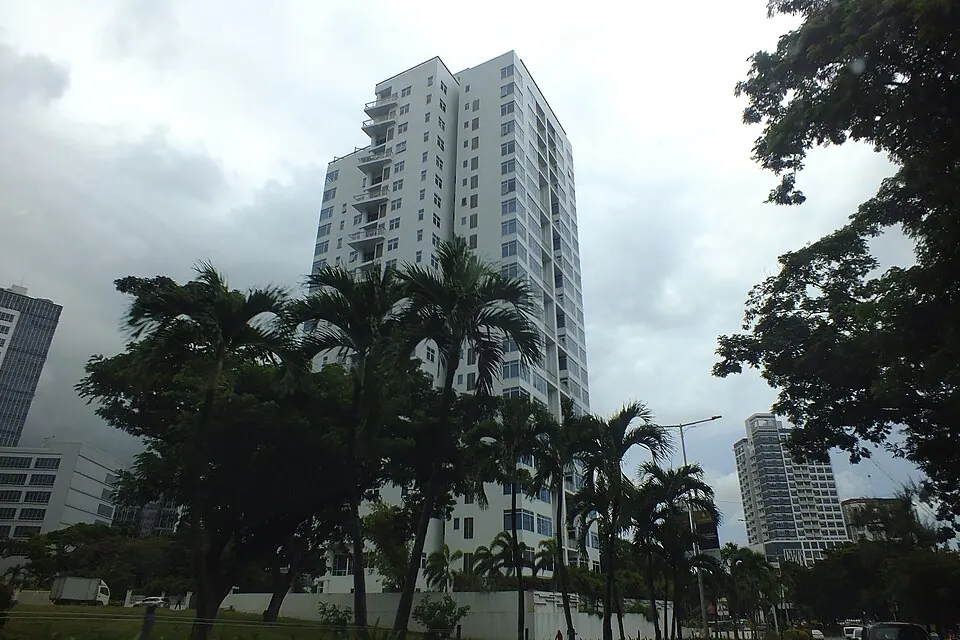
- Cebu IT Park and Lahug: walkable, lots of food, close to coworking. Popular with young professionals.
- Cebu Business Park and Banilad: central, near malls and offices, many condos.
- Mactan (Lapu-Lapu): beaches and resorts, close to the airport, more traffic crossing to the city.
- Mandaue: often cheaper, good access to both Cebu City and Mactan.
See our guide on renting an apartment in Cebu.
Davao
- Lanang: newer developments, near the airport and business areas.
- Bajada and Obrero: central, close to malls, hospitals and restaurants.
- Matina and Ecoland: residential, with condos and easy access to shopping.
See our guide to renting a house or apartment in Davao.
Cost of living for digital nomads (approximate)
These monthly ranges are rough 2026 estimates for a single person living comfortably, not luxuriously. Prices vary by area and lifestyle and change over time, so use them only as a starting point.
| Expense | Cebu (approx. per month) | Davao (approx. per month) |
|---|---|---|
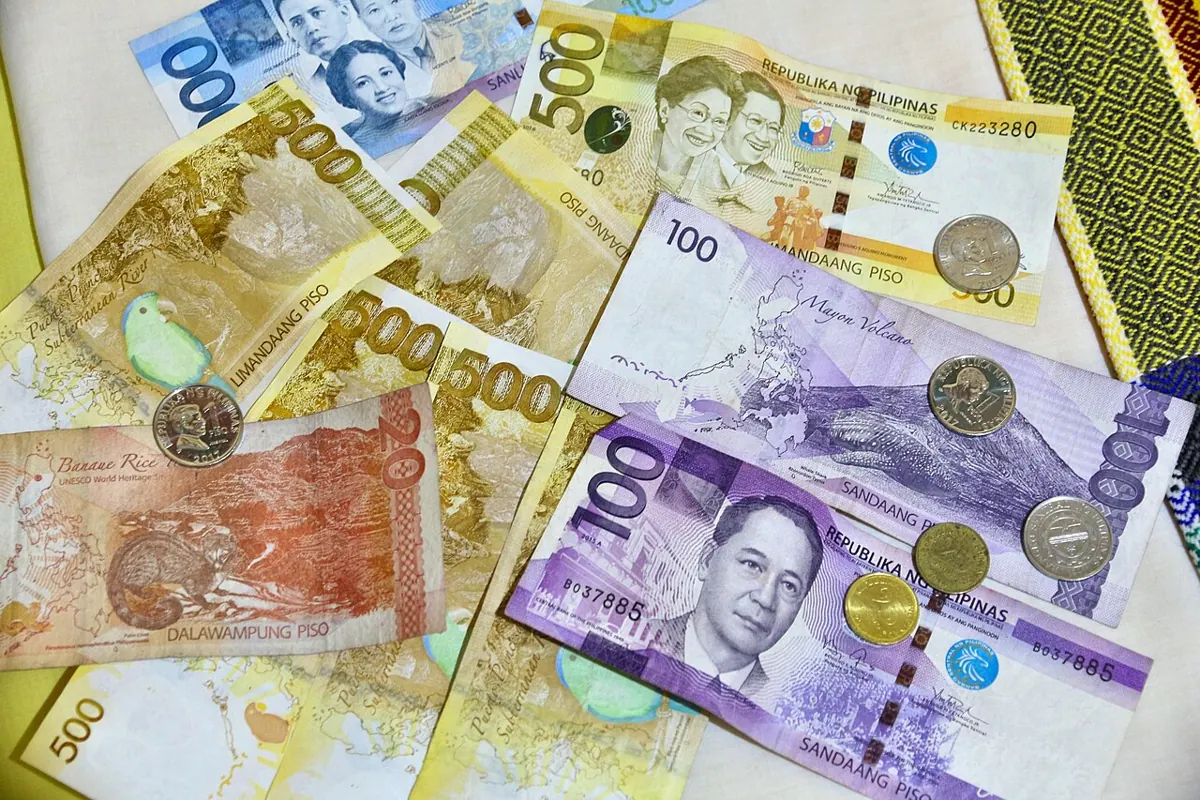
| Studio or 1-bedroom condo, furnished | ₱18,000-₱40,000 | ₱15,000-₱35,000 |
| Electricity (with air-con use) | ₱3,000-₱7,000 | ₱2,500-₱6,000 |
| Fibre internet | ₱1,500-₱3,000 | ₱1,500-₱3,000 |
| Food (mix of cooking and eating out) | ₱12,000-₱25,000 | ₱10,000-₱22,000 |
| Transport (ride-hailing, taxis) | ₱3,000-₱8,000 | ₱2,500-₱6,000 |
| Coworking | ₱3,000-₱8,000 | ₱2,500-₱6,000 |
Our detailed cost of living in Cebu vs Davao breaks this down further.
Visas: tourist entry and the digital nomad visa
Many nationalities can enter the Philippines visa-free for an initial stay (commonly 30 days, depending on nationality) and then apply for extensions with the Bureau of Immigration (immigration.gov.ph). Long-stayers on tourist extensions may need to register for an ACR I-Card.
In 2025, the government issued Executive Order No. 86, which provides for a digital nomad visa allowing qualified foreign remote workers employed or doing business outside the Philippines to stay and work remotely for a set period. Rules on eligibility, income proof, insurance and how to apply depend on implementing guidelines and Department of Foreign Affairs procedures. Check the latest status with the DFA (dfa.gov.ph) or a Philippine embassy or consulate before relying on it.
Working for a local Philippine company is different; it generally requires proper work permits.
Health insurance and healthcare
- Get international health insurance that covers you in the Philippines, including hospitalisation and medical evacuation. Many hospitals require a deposit or guarantee before admission.
- Private hospitals in Cebu and Davao offer good care for most needs. In Cebu, well-known hospitals include Chong Hua Hospital and Cebu Doctors' University Hospital; in Davao, Davao Doctors Hospital and the government-run Southern Philippines Medical Center.
- Pharmacies are everywhere, but bring prescriptions for any regular medicines.
- Dengue is present in the Philippines; use insect repellent and see a doctor for a sudden high fever.
This article is for general information, not medical advice; see a doctor for personal health guidance.
Practical tips
- Bring a laptop stand, keyboard and good headphones; many cafes are noisy.
- Use e-wallets like GCash or Maya for small payments; both work widely in Cebu and Davao.
- Check the weather in the typhoon season and plan backup internet.
- Learn a few Bisaya phrases; locals appreciate it.
Frequently Asked Questions
Is the Philippines good for digital nomads?
Yes, for many remote workers. English is widely spoken, costs are moderate, and cities like Cebu and Davao have fibre internet, coworking and good transport links. Internet backups are still recommended.
Does the Philippines have a digital nomad visa?
Executive Order No. 86, issued in 2025, provides for a digital nomad visa. Implementation details can change, so confirm current requirements with the DFA or a Philippine embassy.
Is Cebu or Davao cheaper for remote workers?
Davao is often slightly cheaper for rent and daily costs, while Cebu offers more coworking spaces and international flights. Both vary widely depending on lifestyle.
How fast is internet in Cebu and Davao?
Home fibre plans in both cities commonly offer speeds suitable for video calls and uploads. Actual speed depends on your building and provider, so test before signing a long lease.