Mount Apo Philippines: How to Climb the Country's Highest Peak
Everything you need to plan a Mount Apo climb: the main trails, permits and guides, closures, how many days you need and what to pack for the highest peak in the Philippines.
In this article
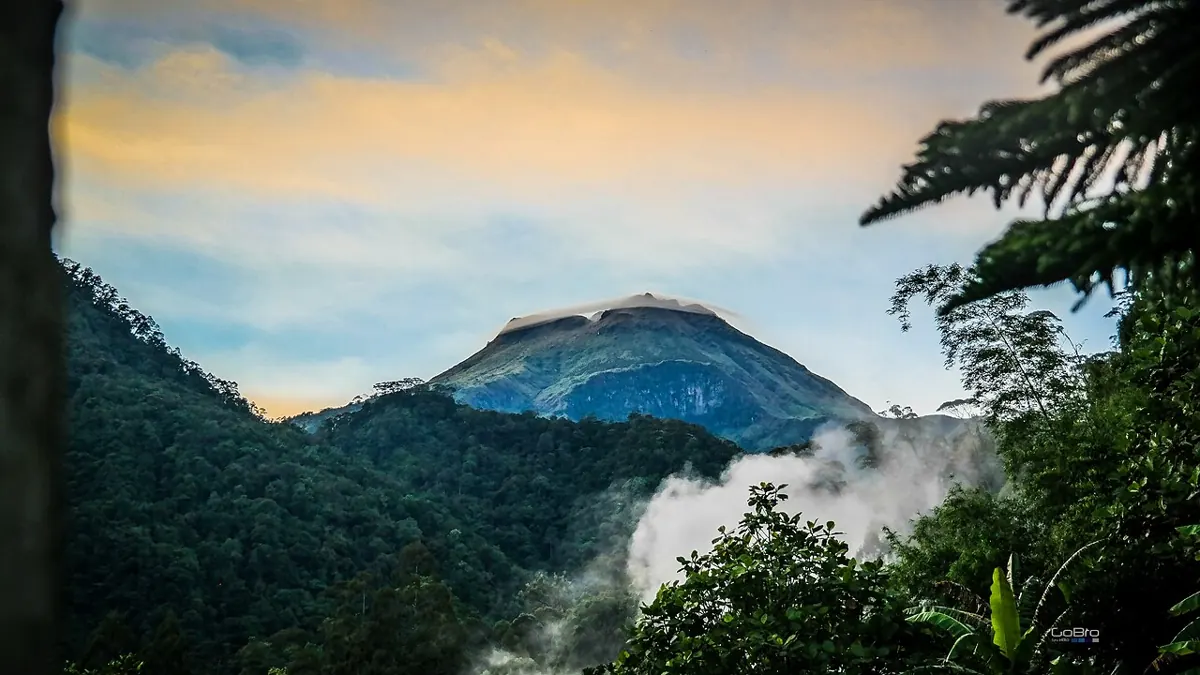
Here is the short answer for anyone planning a Mount Apo Philippines climb: at about 2,954 metres above sea level, Mount Apo is the country's highest peak, a large volcano straddling Davao del Sur, Davao City and Cotabato. Most climbers reach the summit in two to four days via trails from Kidapawan (Cotabato), Sta. Cruz or Kapatagan (Davao del Sur), and every climb requires a permit and a registered local guide.
This guide explains the main trails, permits, closures and preparation so you can plan a safe climb.
Mount Apo Philippines: quick facts
| Fact | Detail |
|---|---|
| Elevation | About 2,954 m, highest in the Philippines |
| Type | Stratovolcano, listed by PHIVOLCS as potentially active |
| Location | Borders of Davao del Sur, Davao City and Cotabato provinces |
| Protected area | Mount Apo Natural Park |
| Typical climb | 2 to 4 days, depending on trail and pace |
| Difficulty | Challenging; good fitness required |
| Wildlife | Habitat of the Philippine eagle and many endemic species |
Mount Apo is sacred to several indigenous groups living around it, and the name is often said to mean "grandfather" or "elder". Climbers are expected to respect local customs and the guides from these communities.
Main trails up Mount Apo
Several towns and cities around the mountain have their own trails. Which ones are open depends on the season and local rules, so check before planning.
| Trail | Jump-off area | What it is known for |
|---|---|---|
| Kidapawan | Kidapawan City, Cotabato | Lake Venado, a high-altitude lake popular as a campsite; sulfur vents nearer the top |
| Sta. Cruz | Sta. Cruz, Davao del Sur | Steeper, more demanding route with forest and boulder sections |
| Kapatagan | Kapatagan, Digos City, Davao del Sur | Popular route with grasslands and views; often used for traverses |
Other trails have been opened by different local governments over the years, including routes through Makilala, Magpet and Bansalan. Many climbers do a traverse, going up one trail and down another, such as up Kidapawan and down Sta. Cruz.
The boulder face
On some routes, the final approach crosses a boulder face, a steep slope of large volcanic rocks with sulfur vents nearby. It is one of the most dramatic parts of the climb, but it can be tiring and disorienting in fog. Stay close to your guide.
Permits, fees and guides
Mount Apo is a protected area, and climbing is regulated by the Protected Area Management Board together with the local government units of each trail.
- Permits are required. You usually register with the tourism office of the town or city where your trail starts.
- Guides are mandatory. Local guides, often from indigenous communities, know the routes and help keep climbers safe.
- Porters are optional. You can hire porters to carry heavy gear, and this provides income for local families.
- Orientation and medical requirements. Some trails require a pre-climb orientation and a medical certificate.
- Climber limits. There may be daily or seasonal caps on the number of climbers.
Fees for permits, guides and porters vary by trail and change over time. Contact the relevant LGU tourism office for current rates and requirements. Booking with a reputable local climbing organiser can make the paperwork easier.
Seasonal closures
Mount Apo trails are sometimes closed to let the mountain recover, during periods of high fire risk, and for safety reasons in bad weather. A major forest fire in 2016, during a strong El Niño dry spell, led to a long closure for rehabilitation. Closures and reopening dates are announced by the LGUs and park authorities, so always confirm your trail is open before booking flights.
Best time to climb
The drier months, roughly from around February to May, are generally the most popular, though conditions vary from year to year. Rain is possible any time, and the summit is often foggy and cold. Temperatures near the top can drop close to freezing at night, so pack properly whatever the season. Check forecasts on our weather page and see our best time to visit Davao guide.
How to prepare
Fitness
Start training several weeks ahead. Stair climbing, hiking with a loaded pack and cardio exercise all help. If you have never done a multi-day climb, consider a smaller mountain first.
Packing list
- Sturdy, broken-in hiking shoes with good grip
- Rain jacket and waterproof bag covers
- Warm layers: fleece, thermal top, beanie and gloves
- Tent, sleeping bag and mat (unless your organiser provides them)
- Headlamp with spare batteries
- At least 2 litres of water capacity, plus water treatment
- Trail food and easy-to-cook meals
- First-aid kit and personal medicines
- Garbage bags: whatever you bring up, you carry down
Leave no trace
Mount Apo has suffered from litter and damage in the past. Follow Leave No Trace principles: pack out all trash, stay on the trail, never start fires outside allowed areas, and do not disturb plants or wildlife.
Getting to the jump-off points
Most climbers fly into Davao City's Francisco Bangoy International Airport. From there, buses and vans run to Digos, Sta. Cruz and Kidapawan. Kidapawan is the farthest of the three, usually a few hours' drive from Davao City. Use our distance calculator to estimate travel times, and see our Davao 3-day itinerary for ideas before or after your climb. Many climbers also visit the Philippine Eagle Center to see the bird that shares Mount Apo's forests.
Frequently Asked Questions
How high is Mount Apo?
Mount Apo is about 2,954 metres above sea level, the highest peak in the Philippines.
How many days does it take to climb Mount Apo?
Most climbs take 2 to 4 days, depending on the trail, your fitness and whether you do a traverse.
Do I need a permit to climb Mount Apo?
Yes. You must register with the LGU tourism office for your chosen trail and hire an accredited local guide.
Is Mount Apo open all year?
No. Trails can close for rehabilitation, fire risk or bad weather. Always check with the LGU before booking.
Can beginners climb Mount Apo?
Fit beginners can do it with good preparation and a guide, but it is a demanding climb. Training on smaller mountains first is a good idea.