Sinigang na Lapu Lapu Recipe: Davao-Style Grouper Sour Soup
Fresh grouper simmered in a tangy tamarind broth with vegetables — a Davao family favourite for rainy days and Sunday lunches.
In this article
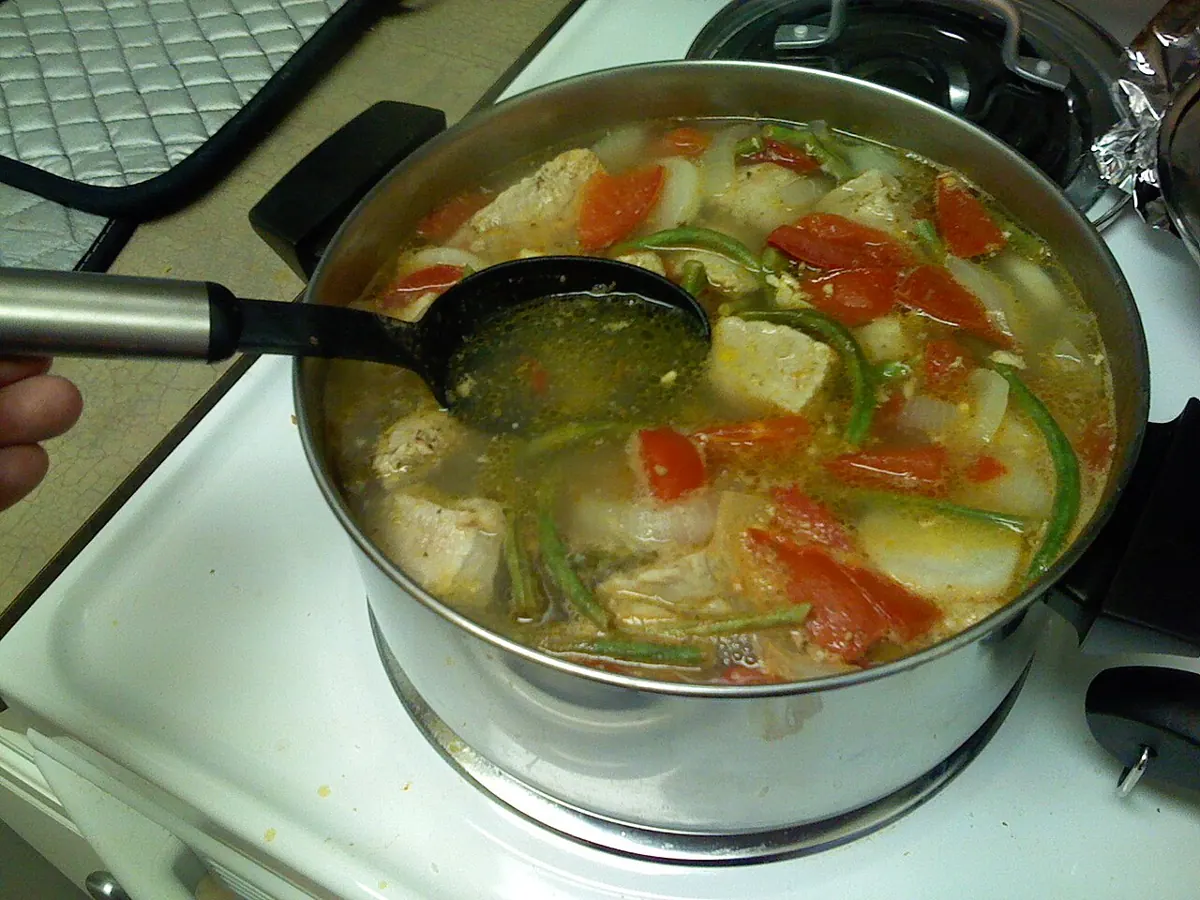
Sinigang na lapu lapu is a sour Filipino soup made with grouper (lapu-lapu in Tagalog and Bisaya), tamarind and fresh vegetables. In Davao, where good fish is never far away, it is a go-to dish for family lunches and cool, rainy evenings: the broth is tangy, the fish is sweet and flaky, and the whole pot comes together in under an hour.
If you are wondering what lapu-lapu fish is in English, it is grouper, a firm, white-fleshed reef fish prized across Asia.
What Makes Sinigang na Lapu Lapu Special
Sinigang can be made with pork, shrimp, beef or almost any fish, but grouper is one of the most loved versions. Its flesh holds together in the broth without falling apart, and its gelatinous head and bones give the soup extra body. The fish is mild, so the sourness of tamarind shines through.
Davao cooks tend to keep sinigang simple and fresh: fish bought in the morning, vegetables from the market and a broth soured with real tamarind when it is available. Many households also make it with other local fish, such as maya-maya (snapper) or tuna belly.
Quick Facts
| Item | Details |
|---|---|
| Dish | Sinigang na lapu-lapu (grouper sour soup) |
| Lapu-lapu in English | Grouper |
| Souring agent | Tamarind (sampalok), fresh or powdered mix |
| Taste | Sour, savoury, lightly peppery |
| Best paired with | Steamed rice and fish sauce with chili |
| Total time | About 55 minutes |
Ingredients
- 1 whole lapu-lapu (grouper), about 1 kg, cleaned and cut into serving pieces (keep the head)
- 8 cups water (or rice wash)
- 1 cup fresh young tamarind pods, or 1 sachet (about 40 g) sinigang mix
- 1 medium onion, quartered
- 3 medium tomatoes, quartered
- 1 thumb-sized piece ginger, sliced (optional, helps with fishiness)
- 1 medium radish (labanos), peeled and sliced into rounds
- 1 small taro (gabi), peeled and cubed (optional, thickens the broth)
- 1 bundle string beans (sitaw or batong), cut into 2-inch lengths
- 6 okra, trimmed
- 2 long green chilies (siling haba)
- 1 bundle water spinach (kangkong), leaves and tender stems
- 2-3 tablespoons fish sauce (patis), to taste
- Salt and pepper to taste
Instructions
- If using fresh tamarind, boil the pods in 2 cups of the water for about 10-15 minutes until soft. Mash them in a strainer over a bowl, pressing out the pulp and juice. Discard the seeds and skins and set the tamarind liquid aside.
- In a large pot, bring the remaining water to a boil with the onion, tomatoes and ginger. Simmer for 5 minutes.
- Add the gabi (if using) and radish. Simmer for 8-10 minutes until the gabi is tender and starting to break down.
- Pour in the tamarind liquid, or stir in the sinigang mix. Taste the broth and adjust the sourness.
- Gently add the fish head and thicker pieces of grouper. Simmer over medium-low heat for 6-8 minutes. Avoid stirring hard so the fish stays whole.
- Add the string beans, okra and green chilies. Cook for 3-4 minutes.
- Season with fish sauce, salt and pepper.
- Add the kangkong, push it gently into the broth and turn off the heat. The leaves will wilt in a minute or two.
- Serve hot with rice and a small dish of fish sauce with crushed chili on the side.
How to Buy Fresh Lapu-Lapu in Davao
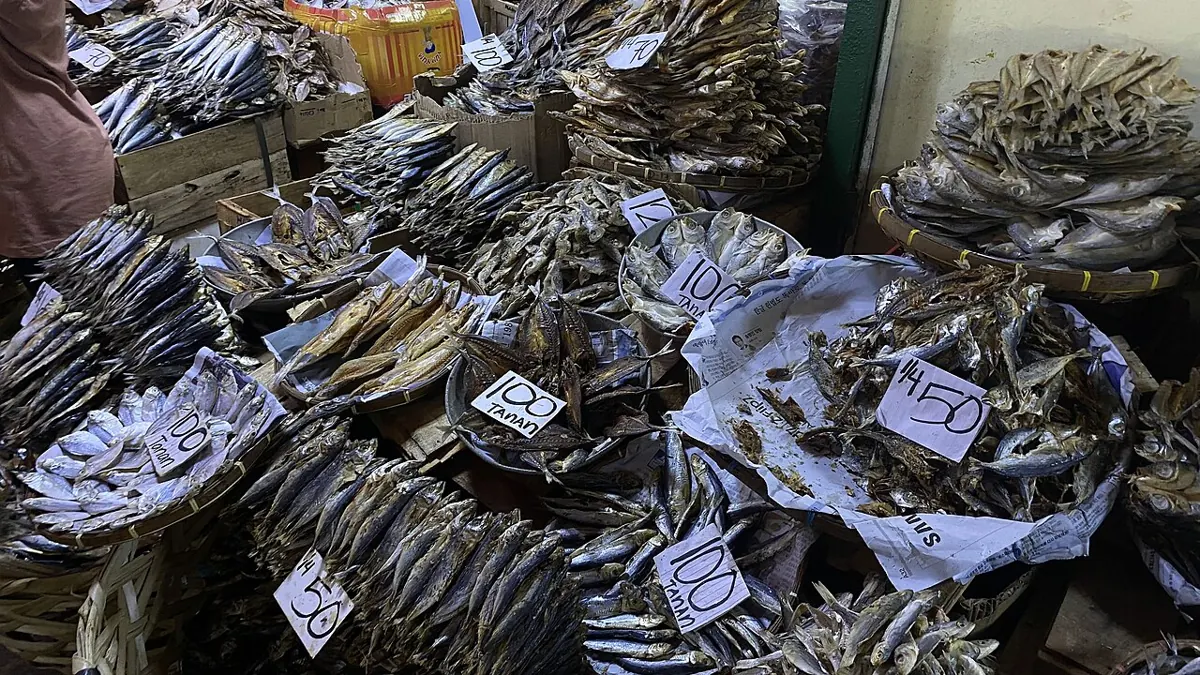
Davao's public markets, including Bankerohan, sell plenty of fresh reef fish. Look for:
- Clear, bulging eyes rather than cloudy or sunken ones
- Bright red gills
- Firm flesh that springs back when pressed
- A clean sea smell, not a strong fishy odour
Grouper is usually among the pricier fish at the market, and prices vary by size, species and season, so ask the vendor and compare stalls. Ask them to clean and cut the fish into steaks for sinigang; most will do it for free. If you are unsure what a fish is called, check our guide to fish names in Cebuano, Tagalog and English or use the fish name translator.
Souring Options
Tamarind is the classic choice, but Filipino cooks use whatever sour fruit is in season.
| Souring agent | Flavour | Notes |
|---|---|---|
| Young tamarind (sampalok) | Classic, rounded sourness | Best overall |
| Sinigang mix (powder) | Consistent, slightly salty | Quick and convenient |
| Kamias (bilimbi) | Sharp, bright | Slice and simmer directly in the broth |
| Unripe mango | Fruity sour | Good in summer when mangoes are plentiful |
| Calamansi | Citrusy | Squeeze in at the end |
Variations
- Sinigang sa miso: Stir in 2-3 tablespoons of miso paste with the onions for a deeper, savoury broth that is especially good with fish.
- With more vegetables: Add eggplant, mustasa (mustard greens) or pechay.
- Spicier version: Slice the green chilies or add a few siling labuyo (bird's eye chili).
What to Serve with Sinigang
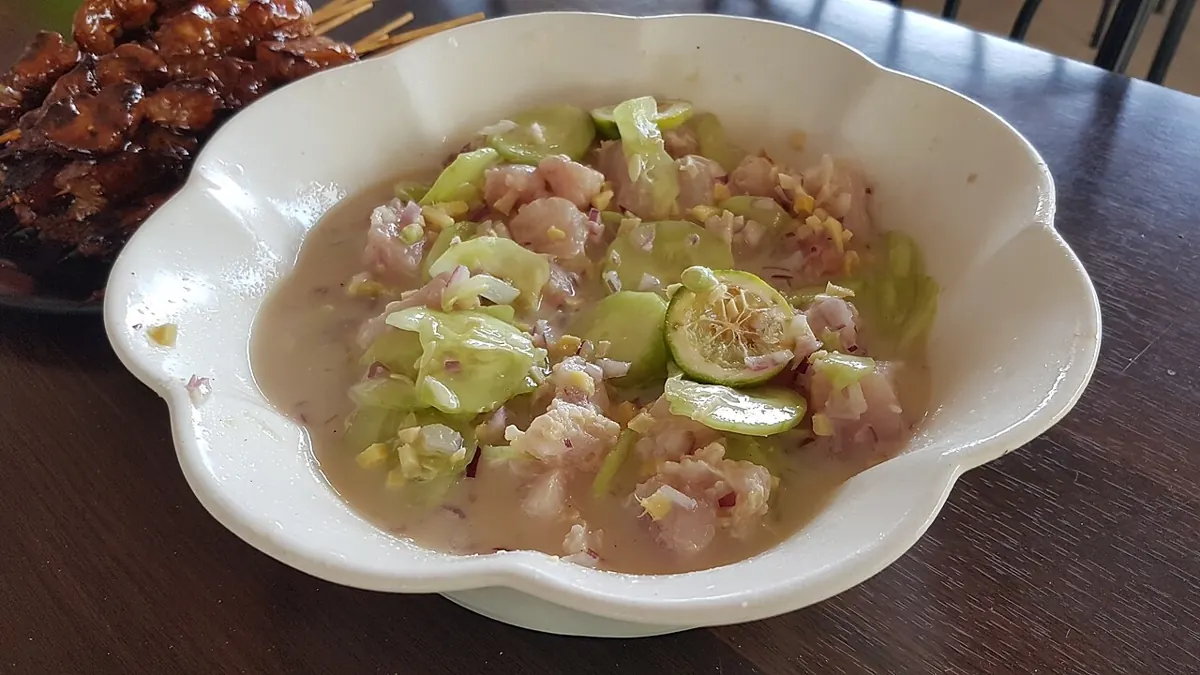
Sinigang na lapu lapu is a complete meal with rice, but in Davao it often shares the table with grilled dishes. Try it alongside inihaw na bangus or a plate of Davao-style kinilaw. For more comforting bowls, see our list of the best Filipino soups for rainy days.
Frequently Asked Questions
What is lapu-lapu fish in English?
Lapu-lapu is grouper. The name is used in both Tagalog and Bisaya, and it refers to several species of grouper sold in Philippine markets.
Can I use sinigang mix instead of fresh tamarind?
Yes. A packet of sinigang mix is convenient and gives consistent results. Add it gradually and taste, because some mixes are quite salty.
How do I keep the fish from breaking apart?
Add the fish when the broth is already simmering, keep the heat medium-low and avoid stirring. Grouper is firm, so it holds up well if handled gently.
What other fish can I use for sinigang?
Snapper (maya-maya), milkfish (bangus), tuna belly and salmon head are popular alternatives. Choose firm, fresh fish for the best texture.