Bicol Express Ingredients and Procedure, Davao Style Recipe
Creamy, spicy Bicol Express made the Davao way, with double coconut milk and extra chili. Full ingredients, step-by-step procedure and the story behind the name.
In this article
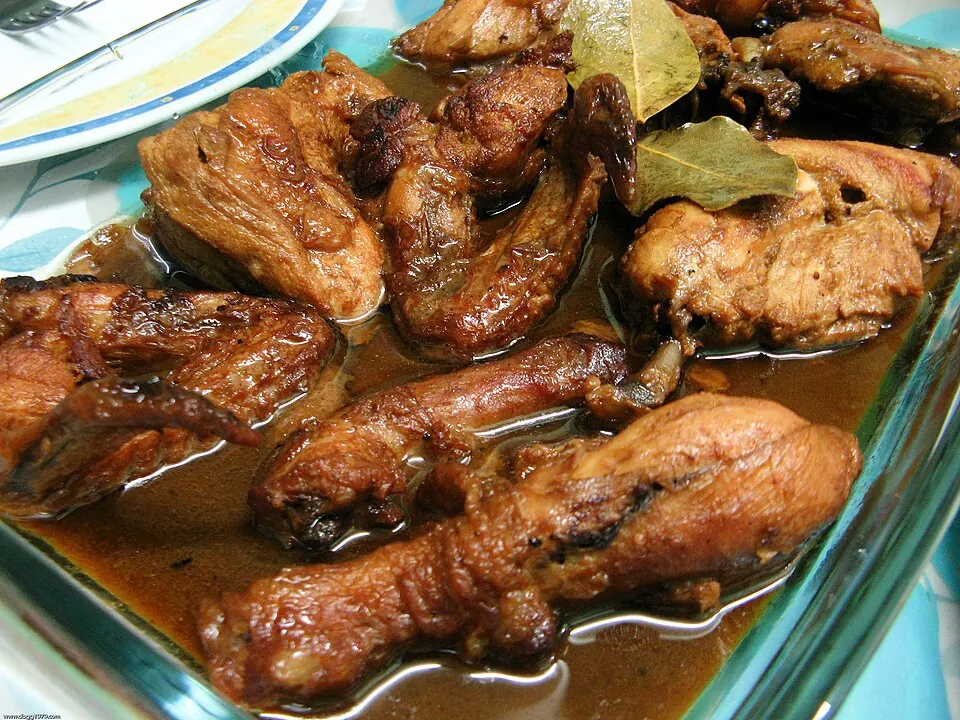
Here are the Bicol Express ingredients and procedure for a creamy, spicy pork stew: pork belly, coconut milk, shrimp paste and plenty of chili, simmered until the sauce turns thick and oily. Our Davao-style version uses both thin and thick coconut milk plus extra siling labuyo, because Mindanao kitchens rarely say no to more heat and more gata.
It takes about an hour from start to finish and pairs best with a mountain of steamed rice.
Where did the name Bicol Express come from?
Despite the name, the dish as we know it is widely credited to Manila, not Bicol. The most commonly told story says it was created in Malate in the late 1960s or 1970s, and named after the Bicol Express, the Philippine National Railways train that ran between Manila and the Bicol region. Supposedly the name was inspired by the sound of the train passing nearby, and by the fact that the dish uses Bicol's two signature ingredients: coconut and chili.
Bicolanos themselves have long cooked similar dishes in coconut milk with chili, often called gulay na lada or sinilihan. So while the name is a Manila invention, the flavours are proudly Bicolano.
Bicol Express ingredients and procedure: the Davao twist
Davao and the rest of Mindanao are coconut country, and cooking with gata is second nature. Many Davao home cooks make Bicol Express a little richer and hotter than the standard version.
| Element | Classic version | Our Davao twist |
|---|---|---|
| Coconut milk | One batch of coconut milk | Thin milk for simmering, thick cream to finish |
| Chili | Long green chilies | Long green chilies plus siling labuyo |
| Shrimp paste | Sautéed bagoong alamang | Same, cooked well for deeper flavour |
| Extras | Usually none | Optional sitaw or squash for a fuller meal |
Ingredients
- 1 kg pork belly (liempo), skin on, cut into thin strips or bite-sized cubes
- 2 cups thin coconut milk (second press, or canned coconut milk diluted with water)
- 1 cup thick coconut cream (kakang gata, the first press, or canned coconut cream)
- 3 tablespoons sautéed shrimp paste (bagoong alamang), adjust to taste
- 8 to 10 green finger chilies (siling haba), sliced diagonally
- 5 to 10 bird's eye chilies (siling labuyo), chopped, adjust to your heat level
- 6 cloves garlic, minced
- 1 large onion, chopped
- 1 thumb-sized piece ginger, cut into thin strips
- 1 tablespoon cooking oil
- 1/2 teaspoon ground black pepper
- Salt or fish sauce (patis) to taste
- 1 cup string beans (sitaw) or cubed squash (kalabasa), optional
Instructions
- Render the pork. Place the pork and 1/2 cup water in a wide pan over medium heat. Cook, stirring occasionally, until the water evaporates and the pork releases its fat, about 15 minutes. Let the pieces lightly brown in their own fat.
- Sauté the aromatics. Push the pork to one side. Add the oil if the pan looks dry, then sauté the garlic, onion and ginger until fragrant and soft.
- Add the shrimp paste. Stir in the bagoong alamang and cook for 1 to 2 minutes so it loses its raw smell and coats the pork.
- Simmer in thin coconut milk. Pour in the thin coconut milk and bring to a gentle boil. Lower the heat and simmer uncovered for 20 to 25 minutes, stirring now and then, until the pork is tender.
- Add vegetables (optional). If using sitaw or squash, add them now and cook for about 5 minutes.
- Finish with cream and chilies. Add the thick coconut cream, the green chilies and the siling labuyo. Simmer for 5 to 10 minutes more until the sauce thickens and small drops of oil appear on the surface.
- Season. Add black pepper, then taste. Because shrimp paste is salty, add salt or fish sauce only if needed.
- Serve. Spoon over steamed rice. Bicol Express keeps well in the fridge for a couple of days and many people say it tastes even better the next day.
Tips for the best Bicol Express
Choose the right pork
Pork belly is traditional because its fat melts into the coconut sauce. If you want something leaner, use kasim (pork shoulder) and add a little more oil at the start. Cutting the pork into thin strips helps it cook faster and absorb more sauce.
Don't boil the coconut cream hard
Coconut milk can split if boiled too hard for too long. Keep the heat at a steady, gentle simmer, especially after adding the thick cream. A little separated oil at the end is fine and even desirable.
Fresh or canned coconut milk?
Freshly squeezed gata from the market gives the best flavour, and in Davao you can usually have grated coconut pressed for you at public markets. Canned coconut milk and cream work well too; just choose unsweetened.
What to serve with Bicol Express
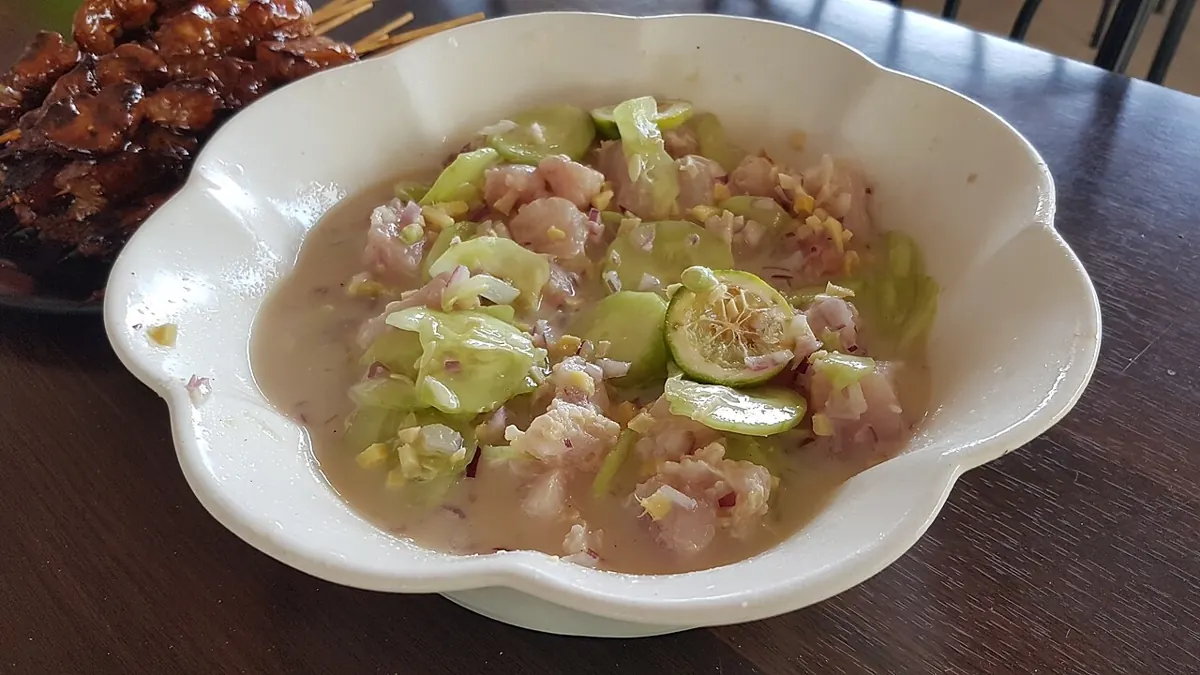
Bicol Express is rich and spicy, so it pairs well with something fresh and simple. Try a side of grilled fish, a light vegetable soup, or our Utan Bisaya Davao style. For a coconut-based feast, add Filipino chicken curry or a Davao-style kinilaw na malasugi to cut through the richness. For more local dishes, see our Davao food guide.
Frequently Asked Questions
What are the main Bicol Express ingredients?
The core ingredients are pork, coconut milk, shrimp paste (bagoong alamang), chilies, garlic and onion. Our Davao version adds thick coconut cream and siling labuyo.
Is Bicol Express really from Bicol?
The dish and its name are commonly credited to Manila, named after the Manila-Bicol train. However, it is based on Bicolano cooking with coconut milk and chili, such as sinilihan.
How do I make Bicol Express less spicy?
Remove the seeds from the long green chilies and leave out the bird's eye chilies. You can also add more coconut milk to mellow the heat.
Can I make Bicol Express without shrimp paste?
Yes. Use fish sauce or salt instead, though you will lose some of the deep, savoury flavour that bagoong gives.