Kinilaw Recipe Davao Style: Fresh Tuna or Malasugi in Vinegar
Cubes of sashimi-fresh tuna or malasugi "cooked" in coconut vinegar with ginger, onion, chili and kalamansi. Davao's favourite pulutan, ready in 20 minutes.
In this article
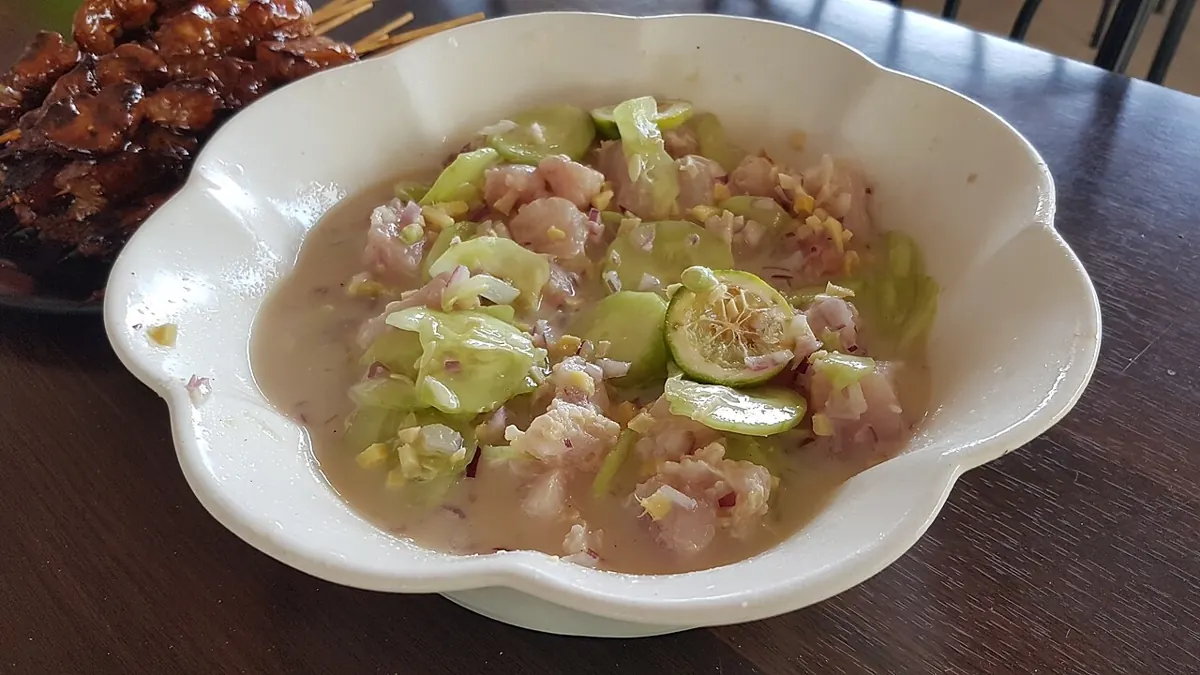
This kinilaw recipe is the Davao way: cubes of very fresh tuna or malasugi (marlin or swordfish) "cooked" in sharp coconut vinegar, then tossed with ginger, red onion, chili and kalamansi. It takes about 20 minutes, needs no stove, and tastes like the sea at its brightest. Add a splash of coconut milk if you like it creamier.
What is kinilaw?
Kinilaw (from kilaw, to eat raw) is the Filipino way of preparing raw fish with vinegar and souring agents. The acid firms the flesh and turns it opaque, a little like ceviche. It is a very old dish in the Visayas and Mindanao, and it is one of the three pillars of sutukil (sugba, tuwa, kilaw) that you find in Cebu's seafood grills; our sutukil guide explains the trio.
In Davao, kinilaw is everyday food and a classic pulutan (food eaten with drinks). Because the city is close to General Santos and the tuna fleets of the Celebes Sea, yellowfin tuna (bariles) and malasugi are the stars.
| Quick facts | |
|---|---|
| Style | Davao / Mindanao |
| Main fish | Yellowfin tuna (bariles) or malasugi |
| Souring | Coconut vinegar or sukang tuba, plus kalamansi |
| Time | About 25 minutes, no cooking |
| Best with | Grilled tuna panga, rice, or cold drinks |
Choosing the fish for fish kinilaw
The single most important thing in any fish kinilaw Filipino recipe is freshness. Vinegar does not kill all bacteria or parasites the way heat does, so the fish must be good enough to eat raw.
- Best choices: yellowfin tuna, malasugi (marlin or swordfish), tanigue (Spanish mackerel). These have firm flesh that holds its shape.
- Look for: bright, glossy flesh; clean ocean smell; no sliminess. Whole fish should have clear eyes and red gills.
- Buy from: a trusted fish vendor who knows you will eat it raw. Ask for "pang-kinilaw" (for kinilaw). In Davao, fish stalls at Bankerohan market and the seafood sections of supermarkets are common sources.
- Keep it cold: go straight home and keep the fish on ice or in the fridge until you prepare it.
Not sure what a fish is called locally? Our Philippine fish names guide translates Bisaya, Tagalog and English names.
Ingredients
- 500 g very fresh yellowfin tuna or malasugi, skinned, boned and cut into 2 cm cubes
- 1 cup coconut vinegar or sukang tuba (coconut toddy vinegar), divided
- 1 thumb-sized piece ginger (about 30 g), peeled and finely chopped
- 1 medium red onion, finely sliced
- 2-4 siling labuyo (bird's-eye chilies) or 1 long green chili, chopped
- 6-8 kalamansi, juiced (about 3 tablespoons), seeds removed
- 1 small cucumber, seeded and diced (optional)
- 1 small tomato, seeded and diced (optional)
- 1 teaspoon salt, or to taste
- 1/4 teaspoon ground black pepper
- 1/4 to 1/2 cup thick coconut milk (kakang gata), optional
- 1 tabon-tabon fruit, optional (see note below)
- Spring onions or coriander to garnish (optional)
About tabon-tabon
Tabon-tabon is a hard, round fruit used in parts of Mindanao for kinilaw. Cooks scrape or grate its inner flesh, mix it with a little vinegar, and squeeze the liquid over the fish. It adds a slightly bitter, nutty note and is traditionally believed to reduce fishy smell. It can be hard to find outside Mindanao, so the recipe works perfectly without it.
Instructions
- Put the tuna or malasugi cubes in a glass or ceramic bowl (avoid reactive metal bowls). Keep the bowl set over ice if your kitchen is warm.
- Pour in about 1/2 cup of the vinegar, toss gently, and leave for 2-3 minutes. This first "wash" removes blood and fishy flavour.
- Drain and discard the wash vinegar, pressing very lightly on the fish.
- If using tabon-tabon, grate the inside of the fruit, mix it with 2 tablespoons vinegar, squeeze the liquid through a strainer over the fish, and discard the pulp.
- Add the ginger, red onion and chili. Pour over the remaining 1/2 cup vinegar and the kalamansi juice.
- Season with salt and pepper. Toss gently with a spoon so the cubes do not break.
- Let the kinilaw sit for 5-10 minutes in the fridge. The outside of each cube will turn opaque while the centre stays tender. Taste and adjust salt, sourness and heat.
- Fold in cucumber and tomato if using. For a creamier, Davao-coastal style, stir in the coconut milk just before serving.
- Garnish with spring onions or coriander and serve cold, straight away.
Kinilaw recipe variations, including kinilaw na tuna
| Variation | What changes | Taste |
|---|---|---|
| Classic Davao | Coconut vinegar, ginger, onion, chili, kalamansi | Bright, sharp, clean |
| With gata | Add coconut milk at the end | Rich, mellow, creamy |
| With tabon-tabon | Add tabon-tabon extract | Nutty, less fishy |
| Sinuglaw | Mix kinilaw with grilled pork belly (sugba + kinilaw) | Smoky and sour |
| Cebu-style | Often includes cucumber and more onion, sometimes with tuba vinegar | Fresh and crunchy |
Sinuglaw is a much-loved Mindanao combination: chopped grilled pork belly tossed with tuna kinilaw. If you want to grill alongside, our inihaw na bangus recipe and Pinoy barbecue recipe fit right in.
Food safety for raw fish
Kinilaw is raw fish, so a few precautions matter:
- Use only very fresh, properly chilled fish from a source you trust.
- Keep everything cold, and prepare it on clean boards with clean knives.
- Eat it soon after making it; do not leave it out in the heat for long, and do not keep leftovers for the next day.
- People who are pregnant, very young, elderly or have weakened immune systems are generally advised to avoid raw fish.
This article is for general information, not medical advice. If you have health concerns about eating raw seafood, talk to a doctor.
What to serve with kinilaw
Kinilaw is usually one dish among many. In Davao it often comes with grilled tuna jaw (panga), grilled squid, steamed rice or puso (hanging rice), and a cold drink. It also makes a light starter before heavier dishes. For more Davao favourites, read our Davao food guide.
Frequently Asked Questions
Is kinilaw the same as ceviche?
They are similar: both use acid to firm raw fish. Kinilaw usually uses Filipino coconut or cane vinegar plus kalamansi, with ginger as a key flavour, while ceviche usually relies on lime or lemon juice.
What is the best fish for a kinilaw recipe?
Firm, very fresh fish works best. In Davao the favourites are yellowfin tuna and malasugi, and tanigue (Spanish mackerel) is also popular.
How long should kinilaw marinate?
Around 5-10 minutes after the final dressing is enough. Leaving it for hours makes the fish chalky and tough.
Can I make kinilaw without tabon-tabon?
Yes. Tabon-tabon is traditional in parts of Mindanao but optional. Fresh ginger, good vinegar and kalamansi already give a clean, bright kinilaw.