Philippine Fish Names in English, Bisaya and Tagalog
Lapu-lapu, maya-maya, bariles, danggit, hito: a big translation table of Philippine fish names in English, Bisaya and Tagalog for the market and the kitchen.
In this article
- Why fish names change from Cebu to Davao to Manila
- The big table: Philippine fish names in English, Bisaya and Tagalog
- Lapu-lapu fish in English, and other headline fish
- Davao's big fish: tuna, marlin and bariles
- Fish names in Tagalog vs Bisaya: other seafood
- What about "bato" and other confusing words?
- Tips for buying fish in Cebu and Davao
Most Philippine fish names in English are easy once you know the pattern: lapu-lapu is grouper, maya-maya is snapper, bangus is milkfish, galunggong is round scad and hito is catfish. The tricky part is that Cebu and Davao use Bisaya (Cebuano) names, Manila uses Tagalog names, and English menus use yet another set. This guide puts them side by side so you can order, cook and shop with confidence.
Why fish names change from Cebu to Davao to Manila
The Philippines has more than 7,000 islands and many languages, and every coastal community named its catch in its own words. Cebuano is spoken across Cebu, Bohol, much of Leyte and most of Mindanao including Davao, so a Cebu suki (regular vendor) and a Davao vendor usually share the same fish names. Tagalog names dominate in Manila and Luzon, and in national TV cooking shows.
Local names also cover groups of fish rather than one exact species. "Lapu-lapu" in a market can mean several kinds of grouper, and "tulingan" can describe more than one small tuna. When you need the exact species, ask the vendor or check a scientific name. For more on the languages behind these words, read our piece on the languages of Cebu and Davao.
The big table: Philippine fish names in English, Bisaya and Tagalog
This is the core list. Bisaya names are what you will hear in Cebu and Davao markets; Tagalog names are what you will hear in Manila.
| English | Bisaya (Cebuano) | Tagalog | Notes |
|---|---|---|---|
| Grouper | Pugapo, lapu-lapu | Lapu-lapu | Prized for steaming and sinigang |
| Snapper (red snapper) | Maya-maya | Maya-maya | Red snapper fish in Tagalog is maya-maya |
| Milkfish | Bangus | Bangus | National fish; grilled or daing |
| Bullet or frigate tuna | Tulingan | Tulingan | Small tuna, often cooked pinangat or paksiw |
| Yellowfin tuna | Bariles | Tambakol | Davao and General Santos speciality |
| Swordfish / marlin | Malasugi | Malasugi | Popular for kinilaw and grilling in Davao |
| Rabbitfish (spinefoot) | Danggit, kitong, barangan | Samaral | Dried danggit is Cebu's famous pasalubong |
| Threadfin bream | Bisugo | Bisugo | Pink fish, great fried |
| Trevally / jack | Mamsa | Talakitok | Firm meat, good for escabeche |
| Catfish | Pantat, hito | Hito | English ng hito is catfish |
| Tilapia | Tilapia | Tilapia | Same name in all three |
| Round scad | Galunggong | Galunggong | Galunggong English name is round scad |
| Spanish mackerel | Tangigue | Tanigue | Steaks for frying and grilling |
| Indian mackerel | Anduhaw | Alumahan | Oily, best fresh |
| Anchovy | Bolinao | Dilis | Dried as snacks or in ginamos |
| Sardine | Tamban | Tamban, tunsoy | Often canned or fried |
| Snakehead (mudfish) | Haluan | Dalag | Freshwater, used in soups |
| Pompano | Pampano | Pampano | Steamed or grilled |
| Ponyfish | Sapsap | Sapsap | Small, bony, sweet flesh |
Lapu-lapu fish in English, and other headline fish
Lapu-lapu (grouper)
Lapu-lapu fish in English is grouper. The name honours the chieftain of Mactan, which makes it a natural favourite in Cebu. In Cebuano markets you will also hear pugapo. Groupers are reef fish, often sold live in seafood restaurants, and they shine in a clear ginger soup or a sour sinigang. Try our sinigang na lapu-lapu recipe.
Maya-maya (snapper)
Maya-maya fish in English is snapper, most often red snapper. It is one of the most common "premium" fish on Filipino menus, served fried, steamed or in sinigang sa miso. The name is the same in Bisaya and Tagalog.
Galunggong (round scad)
Galunggong English name is round scad, sometimes called mackerel scad. Nicknamed "GG", it is the everyday fish of Filipino households, usually fried crisp and eaten with rice and vinegar. Because it is cheap and filling, its price is often watched as a sign of food inflation.
Danggit (rabbitfish)
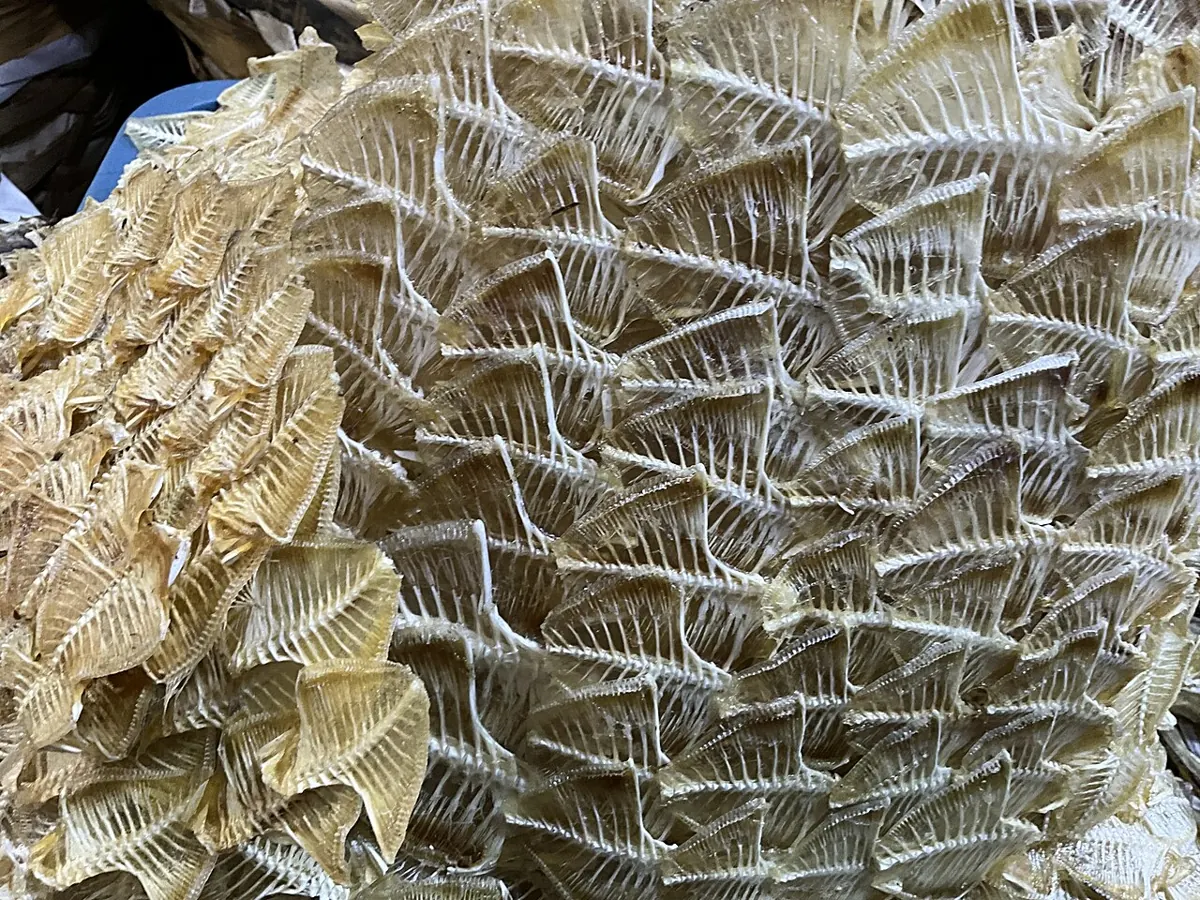
Danggit fish in English is rabbitfish, also called spinefoot. Fresh, it is grilled or cooked in soup; split, salted and sun-dried, it becomes the crispy dried danggit sold in Cebu's Taboan market. Note that "kitang" is used for rabbitfish in some areas, while in many Tagalog areas it refers to a different fish, the spotted scat. Our danggit and samaral guide goes deeper.
Hito and tilapia
English ng hito is catfish, and English ng tilapia is simply tilapia. Both are farmed freshwater fish found in markets across the country. Catfish is often grilled or fried and eaten with a sawsawan (dipping sauce) of vinegar and garlic.
Davao's big fish: tuna, marlin and bariles
Davao sits near General Santos City, known as the tuna capital of the Philippines, so tuna and billfish are everywhere on Davao menus.
| Davao name | English | How it's eaten |
|---|---|---|
| Bariles | Yellowfin tuna | Kinilaw, sashimi-style, grilled belly (sinugbang panga for the jaw) |
| Tulingan | Bullet/frigate tuna | Paksiw, sinaing, smoked |
| Malasugi | Swordfish or blue marlin | Kinilaw, steaks, grilled |
| Panga | Tuna jaw | Grilled over charcoal with soy-kalamansi |
If you want to try the most famous preparation, see our Davao-style kinilaw recipe.
Fish names in Tagalog vs Bisaya: other seafood
Shellfish and other seafood also change names between regions. These are the ones visitors ask about most.
| English | Bisaya (Cebuano) | Tagalog |
|---|---|---|
| Squid | Nukos | Pusit |
| Octopus | Kugita | Pugita |
| Shrimp / prawn | Pasayan | Hipon |
| Mud crab | Alimango | Alimango |
| Blue swimmer crab | Kasag | Alimasag |
| Fish (general word) | Isda | Isda |
| Dried fish | Bulad | Tuyo, daing |
What about "bato" and other confusing words?
If you searched "bato in English", bato is the Bisaya and Tagalog word for stone or rock. It is not a standard name for one particular fish, though people may use it loosely for reef fish caught among rocks. If you see "bato" on a sign or hear it from a fisherman, ask which fish they mean; it is safer than guessing.
The same goes for names like moro-moro, which are used differently from town to town. When a name is not in the table above, the vendor's description and a quick look at the fish's shape and colour will tell you more than any dictionary. Our Bisaya dictionary tool can help with general vocabulary.
Tips for buying fish in Cebu and Davao
- Check the eyes and gills. Clear eyes and bright red gills mean freshness. Cloudy eyes and brown gills mean it has been sitting a while.
- Press the flesh. Fresh fish springs back; soft flesh that stays dented is past its best.
- Go early. The best catch is sold in the morning at wet markets.
- Ask for cleaning. Most vendors will scale and gut your fish for free or for a small tip. Say "palimpyohi" (please clean it) in Bisaya.
- Prices vary. Fish prices move with season, weather and fuel costs, so ask before you buy.
For a full list of translations you can search on the go, use our fish names tool. For context on sustainable fisheries, the Bureau of Fisheries and Aquatic Resources publishes official information.
Frequently Asked Questions
What is lapu-lapu fish in English?
Lapu-lapu is grouper in English. In Cebuano markets it is also called pugapo.
What is galunggong in English?
Galunggong is round scad, sometimes called mackerel scad. It is one of the most common and affordable fish in Filipino homes.
What is the English of hito and tilapia?
Hito is catfish in English. Tilapia is called tilapia in English, Tagalog and Bisaya alike.
What is danggit fish in English?
Danggit is rabbitfish, also known as spinefoot. In Tagalog it is usually called samaral, and dried danggit is a popular Cebu pasalubong.
Is maya-maya the same as red snapper?
Yes, maya-maya generally refers to snapper, most often red snapper. Red snapper in Tagalog and Bisaya is maya-maya.