What Language Is Spoken in Cebu Philippines? Bisaya Guide
Cebuano, Bisaya, Davaoeño, Tagalog, English: who speaks what in Cebu and Davao, why Filipinos switch languages mid-sentence, and simple words to learn.
In this article
If you are wondering what language is spoken in Cebu Philippines, the short answer is Cebuano, which locals usually call Bisaya or Binisaya. Almost everyone in Cebu also understands English, and most people understand Filipino (Tagalog), but Cebuano is the language of the home, the market and the jeepney. In Davao City, people speak a Cebuano variety often called Davaoeño, which mixes in many Tagalog words.
The Philippines has well over a hundred languages, so a simple question about "the language" quickly gets interesting. Here is a practical guide for visitors, new residents and anyone curious about Cebu and Davao.
What language is spoken in Cebu Philippines?
Cebuano is an Austronesian language, related to Tagalog but distinct from it. It is spoken across Cebu, Bohol, Negros Oriental, Siquijor, parts of Leyte and large areas of Mindanao. It is one of the most widely spoken native languages in the country.
The Philippine Constitution makes Filipino (based mainly on Tagalog) the national language, and Filipino and English the official languages. In Cebu that means:
- Government forms, signs and many school subjects use English and Filipino.
- Business, malls, hotels and call centres run comfortably in English.
- Family life, street talk, local radio and local music (including Bisrock bands) are mostly in Cebuano.
| Setting in Cebu | Language you will usually hear |
|---|---|
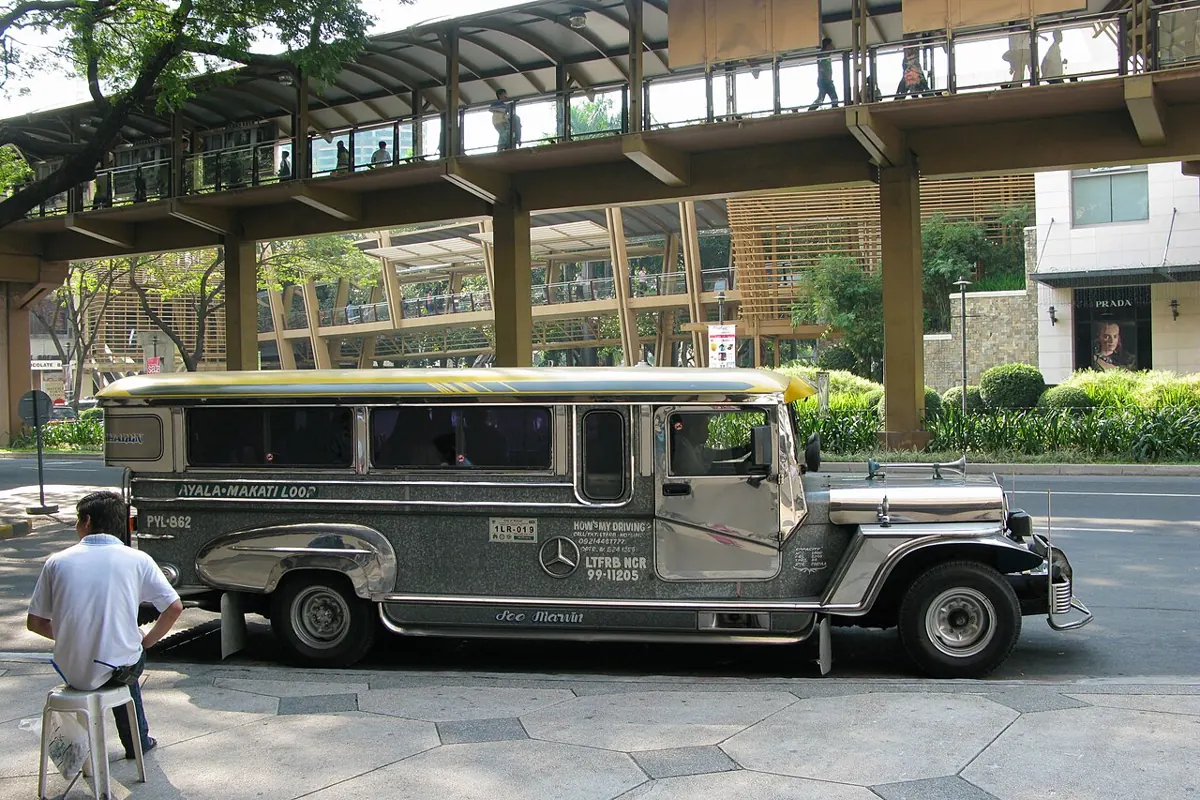
| Home, market, jeepney | Cebuano (Bisaya) |
| Hotels, malls, offices | English, Cebuano |
| TV news and national shows | Filipino (Tagalog), English |
| Local radio and tabloids | Cebuano |
| Schools | English, Filipino, Cebuano in early grades |
Bisaya vs Tagalog: same family, different languages
Many visitors assume Bisaya is a "dialect" of Tagalog. It is not. Linguists treat them as separate languages, and a Tagalog speaker from Manila arriving in Cebu will understand some words but not whole conversations. Many Cebuanos are proud of this and may answer a Tagalog question in Bisaya or English.
Here are some everyday Tagalog-Bisaya words side by side (useful if you are looking for a quick Bisaya language translation to Tagalog):
| English | Cebuano / Bisaya | Tagalog |
|---|---|---|
| What? | Unsa? | Ano? |
| Where? | Asa? | Saan? |
| How much? | Pila? | Magkano? |
| Delicious | Lami | Masarap |
| Beautiful / nice | Nindot | Maganda |
| Eat | Kaon | Kain |
| Rotten | Dunot | Bulok |
| I don't know | Ambot | Ewan / Hindi ko alam |
| Good morning | Maayong buntag | Magandang umaga |
| Thank you | Salamat | Salamat |
| Not yet | Wala pa | Hindi pa |
A few other words people often search for: landlady in Tagalog is kasera (a boarding-house owner), while in Cebu people often just say "landlady". Barrier in Tagalog is commonly hadlang (an obstacle) or harang (something blocking the way).
For many more, try our free Bisaya dictionary tool and the beginner list in Learn Bisaya: 50 phrases.
The language of Davao: what is Davaoeño?
Davao City sits in Mindanao, but most of its residents are descendants of migrants from the Visayas, Luzon and other parts of Mindanao, alongside indigenous and Moro communities. The result is a distinctive way of speaking.
Davaoeño (sometimes written Davaoeno) is essentially Cebuano with a lot of Tagalog vocabulary and grammar particles mixed in. A Cebuano from Cebu City will understand a Davaoeño easily, but will notice Tagalog words such as kasi (because), talaga (really) or naman sprinkled into sentences where a Cebu speaker would use Cebuano equivalents like kay, gyud and pud.
Some characteristics of Davaoeño:
- Cebuano base: the core grammar and most words are Cebuano.
- Tagalog borrowing: Tagalog words and phrases slip in freely, especially among younger people and in the city centre.
- Accent and pace: Davao speakers often sound "softer" or slower to Cebu ears, while Cebuanos are known for a quicker, punchier delivery.
- Other languages nearby: you may also hear Tagalog, English, Hiligaynon (Ilonggo), and languages of indigenous groups and Moro communities. Our guide to Davao's indigenous and Moro communities explains more.
So what is the language of Davao? Officially, the same as everywhere: Filipino and English. In daily life, it is Cebuano in its Davao form, with Tagalog never far away.
Why Filipinos switch languages mid-sentence
If you spend a day in Cebu or Davao, you will hear sentences like "Ma-late ko kay traffic kaayo sa Banilad, so I'll just take a Grab." That is code-switching, and it is completely normal.
People switch for several reasons:
- School and work: many subjects and most office work are in English, so technical words come out in English.
- Media: national TV, films and online content are heavily in Tagalog and English.
- Precision and tone: some feelings sound better in Bisaya, some jokes work better in English, and some phrases are just shorter in Tagalog.
- Audience: people adjust to who they are talking to, switching to English for foreigners or Tagalog for visitors from Luzon.
Mixed English and Tagalog is often called Taglish; the Cebuano-English mix is sometimes jokingly called Bislish.
The "trouble" with Filipino tongues
Language can be a sensitive topic in the Philippines. Some Cebuanos feel that Tagalog is pushed as the national language at the expense of Cebuano, which has millions of native speakers of its own. Others simply prefer to keep their language strong at home and in local media.
For visitors, the practical points are simple:
- Do not call Cebuano a "dialect" of Tagalog in front of locals; many find that inaccurate.
- English works almost everywhere in Cebu and Davao, so you will rarely be stuck.
- A few Bisaya words will win you smiles, discounts at the market (sometimes) and friends.
- Tagalog is understood widely, but answering in Bisaya where you can shows respect.
Words also shift meaning between regions. A word that is innocent in Tagalog can be rude or funny in Cebuano, and vice versa. Our guides to Bisaya expressions like "oi" and "kalagot" and the many fish names that differ across languages show how confusing this can get.
Tips for visitors learning a few words
- Use "po" carefully. Po is a Tagalog politeness marker. In Cebu, respect is shown more through tone and terms like Sir, Ma'am, Manong (older man) and Manang (older woman).
- Listen for dili and wala. Dili means "no/not" for future or general statements, wala means "none" or "did not".
- Numbers get mixed. Prices are often said in Spanish-derived or English numbers rather than native Cebuano ones.
- Try a language exchange. Many locals enjoy teaching Bisaya slang over coffee.
If you are comparing the two cities more broadly, read our Cebu vs Davao guide.
Frequently Asked Questions
What language is spoken in Cebu Philippines?
Cebuano, also called Bisaya, is the everyday language of Cebu. English is widely spoken and understood, and most people also understand Filipino (Tagalog).
Is Bisaya the same as Tagalog?
No. Both are Philippine languages in the same family and share some words, but they are separate languages. A Tagalog speaker will not understand full Cebuano conversations without learning it.
What language do they speak in Davao?
Davao residents mostly speak Davaoeño, a form of Cebuano with many Tagalog words mixed in. English and Tagalog are widely understood too.
Can I get by with English in Cebu and Davao?
Yes. English is taught in schools and used in business, tourism and government, so visitors can get by easily. Learning a few Bisaya words is still appreciated.
How do you say "thank you" in Bisaya?
"Salamat" means thank you, and "daghang salamat" means thank you very much.