Davao Tribes: The 11 Indigenous and Moro Communities of Davao
Ata, Bagobo, Matigsalug, Sama, Maranao and more. A respectful introduction to the 11 tribes of Davao City, their crafts and how to visit with care.
In this article
The Davao tribes are the 11 indigenous and Moro communities officially recognised by Davao City: the Ata, Bagobo-Klata, Bagobo-Tagabawa, Matigsalug, Obu-Manuvu, Sama, Iranun, Kagan, Maguindanaon, Maranao and Tausug. Their cultures shaped the region long before the modern city, and they are honoured every August during the Kadayawan Festival. Here is a respectful introduction.
Who Are the Davao Tribes?
Davao City recognises two broad groups. The indigenous peoples (often called lumad, a Bisaya word for native) traditionally live in the uplands and coastal areas. The Moro communities are Muslim peoples whose histories link them to the sultanates and trading networks of Mindanao.
| Group | Tribe | Brief notes |
|---|---|---|
| Indigenous | Ata | Upland community, associated with northern Davao City areas |
| Indigenous | Bagobo-Klata | Bagobo subgroup known for weaving and beadwork |
| Indigenous | Bagobo-Tagabawa | Bagobo subgroup with ties to the slopes of Mount Apo |
| Indigenous | Matigsalug | Upland people associated with the Marilog and Paquibato areas |
| Indigenous | Obu-Manuvu | Manobo-related group of the western highlands |
| Indigenous | Sama | Coastal people linked with the Davao Gulf and Samal |
| Moro | Iranun | Historically seafaring Muslim community |
| Moro | Kagan | Muslim community of the Davao Gulf coast, also called Kalagan |
| Moro | Maguindanaon | From the Cotabato area; long trade links with Davao |
| Moro | Maranao | From the Lanao area; famed for artistry and trade |
| Moro | Tausug | From the Sulu archipelago; known as traders and seafarers |
These notes are simplified. Each community has its own language, history, customary law and internal diversity, and many members now live in the city and work in every profession.
Indigenous Peoples of Davao
The Bagobo
The Bagobo are among the best-known indigenous peoples of the Davao region, with communities around the slopes of Mount Apo. They are famed for intricate beadwork, brass ornaments and abaca textiles. Traditionally, Mount Apo is sacred ground for several tribes in the area, which is why climbers are asked to respect local customs. Read about climbing Mount Apo.
The Matigsalug and Ata
The Matigsalug and Ata are upland peoples of the northern and western reaches of Davao City, including districts like Marilog and Paquibato. Farming and forest knowledge are central to their way of life. Our guide to Marilog District covers the area.
The Obu-Manuvu
The Obu-Manuvu are linked to the larger Manobo family of peoples found across Mindanao. Their communities in Davao City's western highlands keep traditions of music, dance and oral literature.
The Sama
The Sama are a coastal people, traditionally fishermen and seafarers, associated with the shores of the Davao Gulf and Samal Island.
Moro Communities of Davao
Davao's five recognised Moro groups, the Iranun, Kagan, Maguindanaon, Maranao and Tausug, add a strong Muslim heritage to the city. You will see their influence in mosques, food, fashion, trade and markets. Some dishes in Davao's food scene, such as spicy, turmeric-rich cooking and grilled meats, reflect these traditions. Explore more in our guide to the food in Davao.
Crafts and Culture
Inabal Weaving
Inabal is the traditional abaca textile of the Bagobo. Fibres from the abaca plant are tie-dyed before weaving, a resist-dye technique similar to ikat, creating striking geometric and figurative patterns. Making a single piece takes time and great skill, which is why authentic inabal is valued.
Beadwork and Brass
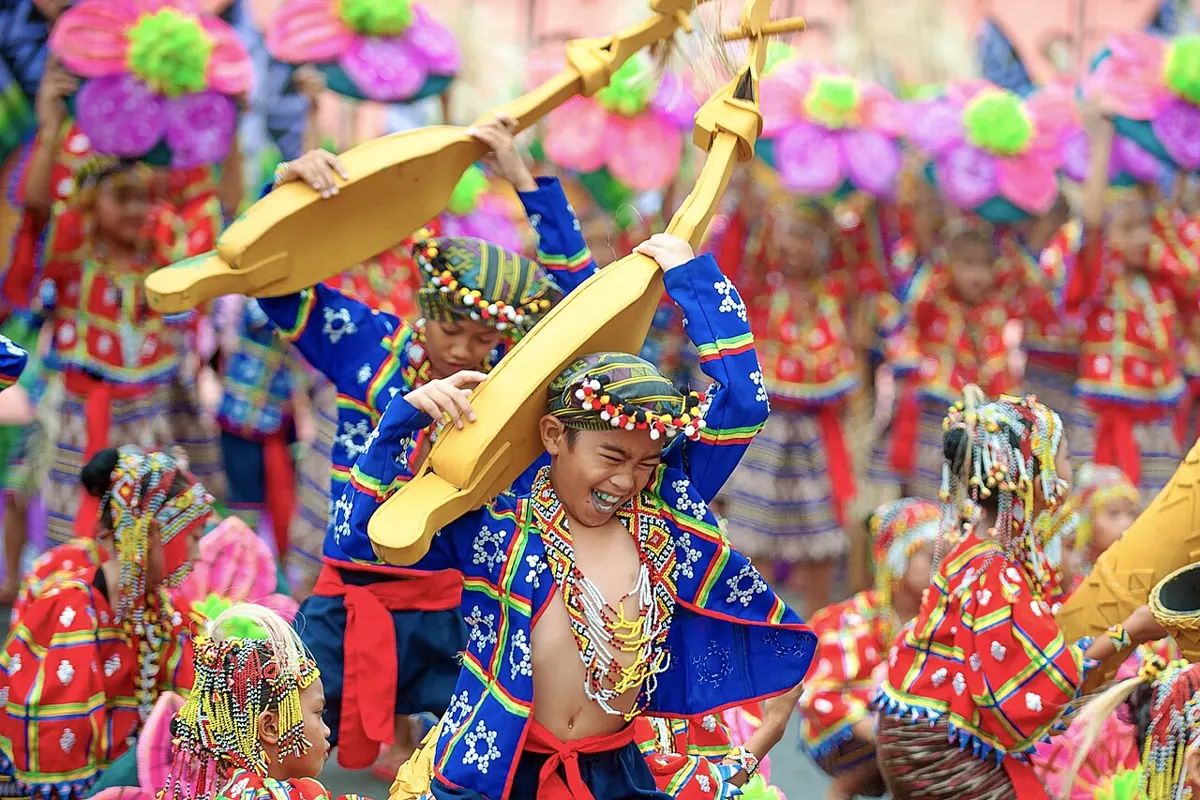
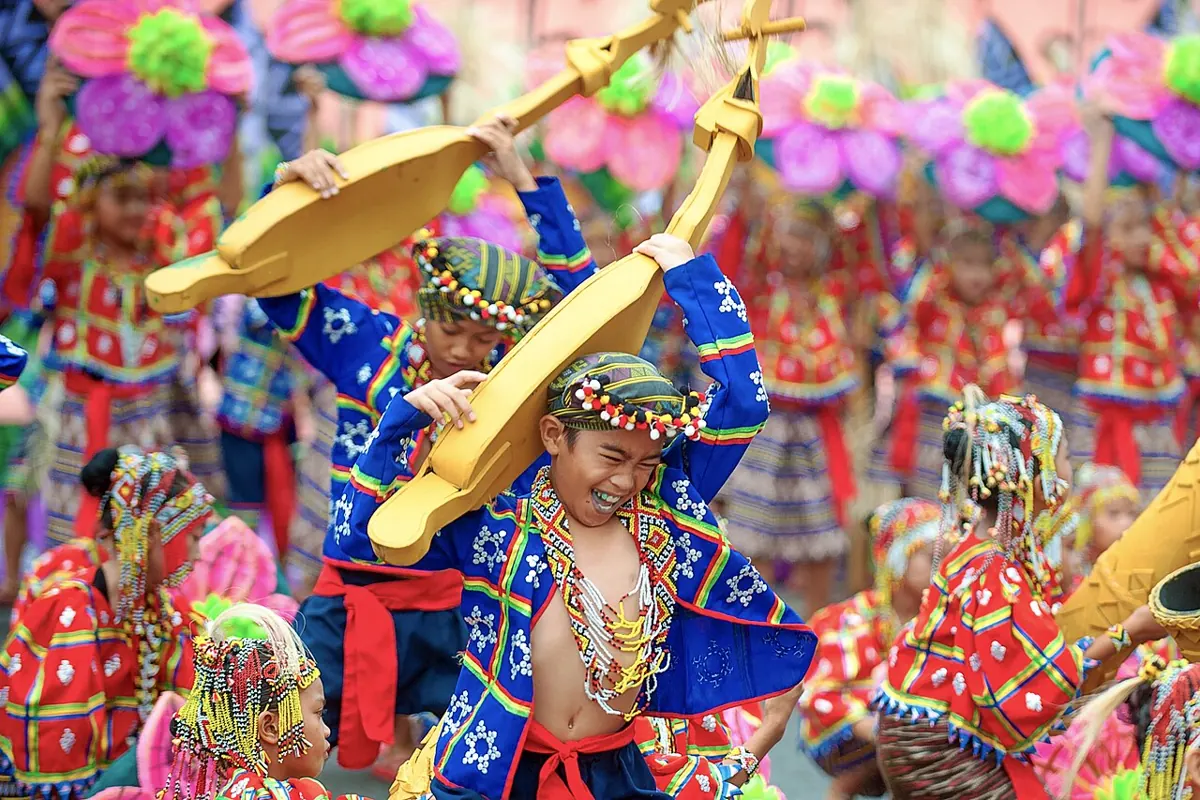
Many Davao tribes create colourful beadwork for necklaces, belts and headpieces, often in red, black, white and yellow. Brass bells and ornaments are worn during ceremonies and dances.
Music and Dance
Gongs, drums and bamboo instruments feature in tribal music. During the Kadayawan Festival, street dances draw on these traditions, and cultural shows give tribes a stage to share their own performances.
| Craft | Main material | Where you might see it |
|---|---|---|
| Inabal | Abaca fibre | Bagobo textiles, museum displays |
| Beadwork | Glass beads | Accessories and ceremonial attire |
| Brass ornaments | Brass | Ceremonial wear and dance costumes |
| Mats and baskets | Pandan, rattan, bamboo | Markets and craft fairs |
Davao Tribes Today
Many members of Davao's tribes live in modern urban neighbourhoods and work as teachers, farmers, nurses, entrepreneurs and public servants, while others remain in ancestral domains in the hinterlands. Like indigenous peoples across the country, communities have faced challenges around land rights, education and access to services. The Indigenous Peoples' Rights Act of 1997 recognises their rights to ancestral domains and cultural integrity.
Where to Learn More in Davao City
- Museo Dabawenyo downtown has displays on the city's peoples and history.
- People's Park features sculptures inspired by indigenous cultures.
- Kadayawan Festival each August includes tribal showcases and craft fairs.
- Craft fairs and shops sometimes sell work by indigenous artisans. Ask who made a piece and buy directly when you can.
Etiquette When Visiting Tribal Communities
- Ask permission first. Do not enter a community without coordinating with its leaders or a recognised local guide.
- Ask before photographing people, especially elders, children and rituals.
- Don't treat culture as a costume. Avoid wearing sacred items or attire just for photos.
- Respect sacred sites. Some mountains, forests and rivers are sacred. Follow rules and guides.
- Pay fairly. When buying crafts, respect the price. A lot of work goes into each piece.
- Use correct names. Refer to communities by their own names rather than general labels.
Learning a few words of Bisaya also helps. Try our Bisaya dictionary.
Frequently Asked Questions
What are the 11 tribes of Davao City?
They are the Ata, Bagobo-Klata, Bagobo-Tagabawa, Matigsalug, Obu-Manuvu and Sama (indigenous), plus the Iranun, Kagan, Maguindanaon, Maranao and Tausug (Moro).
What is inabal?
Inabal is the traditional abaca cloth of the Bagobo, made by tie-dyeing fibres before weaving to create detailed patterns.
Are the Davao tribes part of Kadayawan?
Yes. The Kadayawan Festival honours the 11 tribes of Davao City through rituals, dances, craft fairs and cultural showcases.
What does lumad mean?
Lumad is a Bisaya word meaning native or indigenous. It is commonly used as a collective term for non-Muslim indigenous peoples of Mindanao, though many prefer to be called by their specific tribal names.