Kadayawan Festival Guide: Davao's August Harvest Celebration
Davao's biggest party is a thanksgiving for nature's bounty. Here is what the Kadayawan Festival celebrates, which events to catch every August and how to enjoy it.
In this article
The Kadayawan Festival is Davao City's yearly thanksgiving for a bountiful harvest, held every August and built around the city's indigenous and Moro communities. Over roughly a week, Davao fills with street dancing, floral floats, fruit stalls and tribal performances. If you want one trip that shows the heart of Davao, Kadayawan is it.
What Does Kadayawan Mean?
The name comes from the Dabawenyo word madayaw, meaning good, beautiful, valuable or superior. Kadayawan roughly translates to "the good things in life" or a celebration of what is precious. In practice, that means fruit, flowers, a good harvest, and the people and cultures who have lived on this land for centuries.
Long before the modern festival, the tribes around Mount Apo and the Davao Gulf held their own harvest rituals. Families gave thanks to the spirits and to the creator for rice, corn and fruit, laying out offerings and sharing meals. The city festival draws on that spirit of gratitude, even if today it also comes with concerts, trade fairs and big crowds.
A Short History of the Kadayawan Festival
The modern Kadayawan took shape in the late 1980s, when the city government organised a celebration to bring Dabawenyos together after a difficult period in the city's history. It started under a different name and was renamed Kadayawan sa Dabaw soon after. Since then it has grown into one of the best-known festivals in Mindanao and a major draw for domestic tourists.
What sets it apart from many Philippine fiestas is its focus. While festivals like Cebu's Sinulog are rooted in devotion to the Santo Niño, Kadayawan is centred on harvest and on the cultural identity of Davao's original peoples.
Quick Facts
| Detail | What to know |
|---|---|
| Where | Davao City, Mindanao |
| When | Every August, usually peaking in the third week |
| Meaning | Thanksgiving for the harvest and celebration of culture |
| Highlights | Indak-Indak sa Kadalanan, Pamulak sa Kadayawan, tribal showcases |
| Honoured communities | The 11 tribes recognised by Davao City |
| Food focus | Durian, pomelo, mangosteen, rambutan, marang and more |
Exact dates and venues are announced by the Davao City government each year, so check official city pages and local news before you book. Our festival calendar is a handy starting point.
The 11 Tribes at the Heart of Kadayawan
Kadayawan honours the 11 tribes recognised in Davao City. These include the indigenous Ata, Bagobo-Klata, Bagobo-Tagabawa, Matigsalug, Obu-Manuvu and Sama, alongside the Moro (Muslim) communities of the Iranun, Kagan, Maguindanaon, Maranao and Tausug.
During the festival you will see these communities take part in rituals, dances, music and craft displays. Many visitors find this the most meaningful part of Kadayawan, because it puts the spotlight on people who are often left out of tourism stories. For a deeper look, read our guide to the indigenous tribes of Davao.
Main Kadayawan Events
Indak-Indak sa Kadalanan
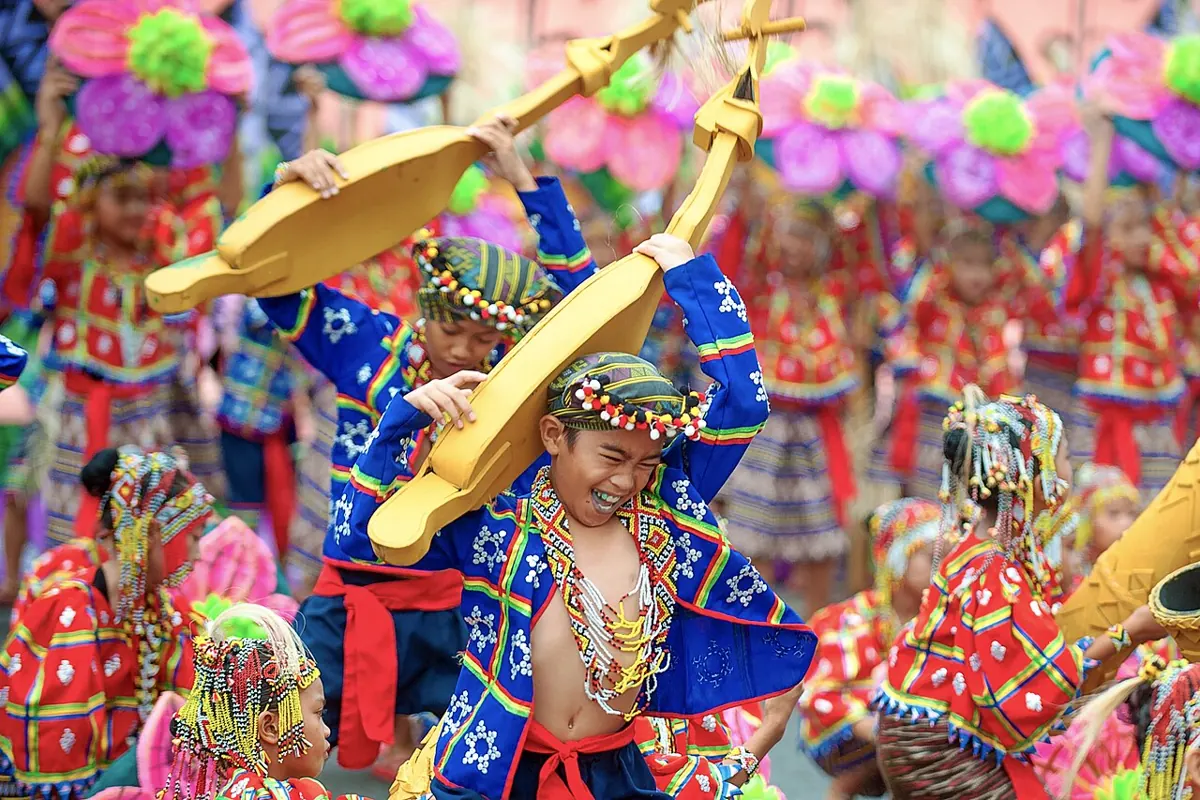
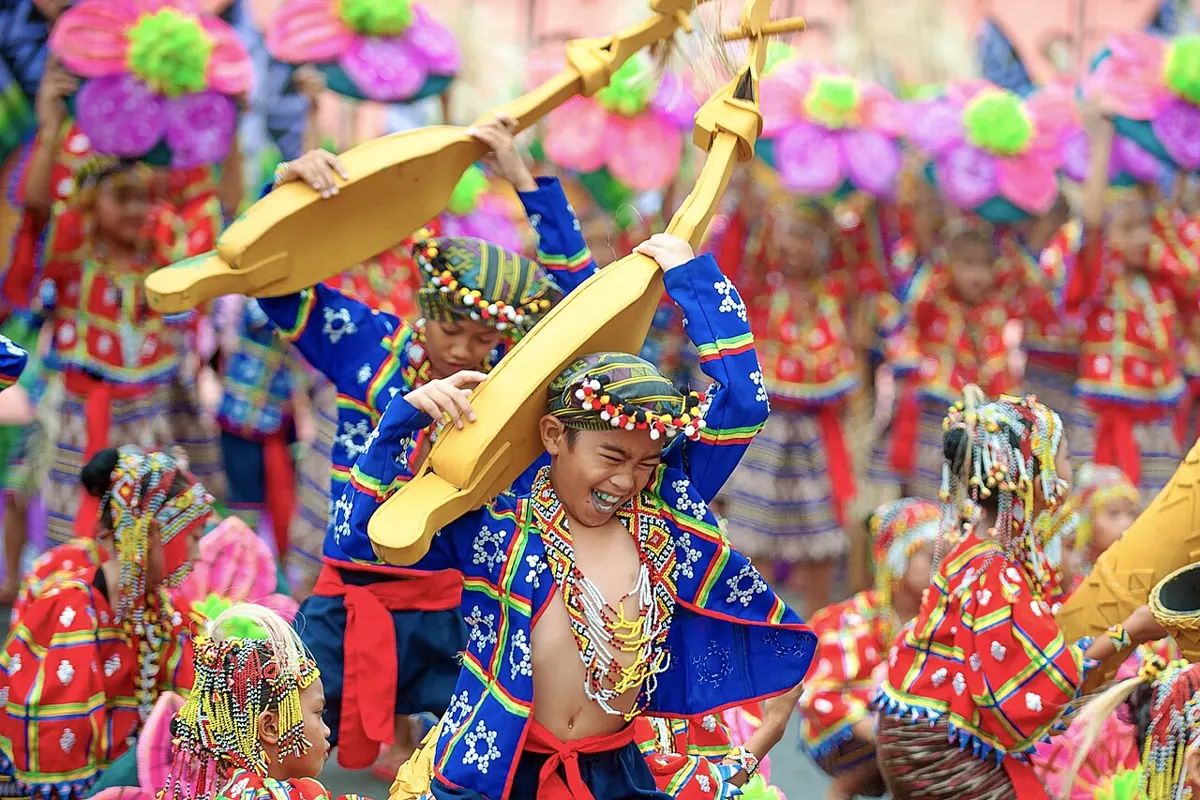
Indak-Indak sa Kadalanan means "dancing in the streets", and it is the festival's big street-dance parade. Contingents from schools, barangays and nearby towns perform choreographed routines inspired by tribal dances, wearing elaborate costumes with beadwork, feathers and woven textiles. The drumming alone is worth getting up early for.
Pamulak sa Kadayawan
Pamulak refers to flowers, and the Pamulak sa Kadayawan is the floral float parade. Floats covered in fresh flowers, fruit and vegetables roll through the city centre, often sponsored by companies and organisations. Look out for orchids, which Davao is famous for. It is usually held on the final weekend of the festival.
Other Activities
The festival programme changes from year to year, but you can usually expect:
- Tribal village displays and cultural shows
- Trade fairs selling crafts, fruit and local products
- Fruit and flower exhibits
- Concerts and night markets
- Sports events and fun runs
- A pageant celebrating indigenous women
Food to Try During Kadayawan
August falls within fruit season in Davao, which is exactly why the festival is a harvest thanksgiving. Fruit stalls pile up durian, mangosteen, rambutan, lanzones, pomelo and marang. Durian is the star, and if you have never tried it, this is the place. Our Davao durian guide explains how to pick a good one and where to eat it.
Beyond fruit, try grilled tuna, kinilaw (raw fish cured in vinegar) and the many barbecue stalls that pop up near the parade routes. For more ideas, see our round-up of the delectable food in Davao.
Tips for Visiting Kadayawan
Kadayawan is popular, so a little planning goes a long way.
- Book early. Hotels in central Davao fill up quickly during festival week, and rates can be higher than usual.
- Arrive early for parades. Good viewing spots along the route fill up hours before the start.
- Prepare for sun and rain. August can be hot, with afternoon showers. Bring water, a hat, sunscreen and a light rain jacket. Check the Davao weather before heading out.
- Expect road closures. Main roads close for parades. Walk where you can and allow extra time for rides.
- Follow Davao's rules. The city is strict about smoking in public places, and other local ordinances are enforced. Keep valuables secure in crowds.
- Budget ahead. Set aside extra for food, fruit and souvenirs.
| Item | Approximate cost range |
|---|---|
| Budget hotel per night (festival week) | PHP 1,500 to 3,500 |
| Mid-range hotel per night | PHP 3,500 to 7,000 |
| Durian per kilo at fruit stalls | PHP 80 to 250, depending on variety |
| Taxi ride within the city centre | PHP 100 to 250 |
These figures are rough guides only. Prices change and can be higher during the festival, so always confirm directly.
Why Kadayawan Is Worth the Trip
Kadayawan is a party, but it is also a reminder of where Davao came from. You get to see communities that have shaped Mindanao for centuries share their dances, songs and crafts on their own terms. Combine it with a trip to Mount Apo's foothills, the Philippine Eagle Center or Samal Island, and you have an unforgettable week.
For official updates, check the Davao City government website and the Department of Tourism.
Frequently Asked Questions
When is the Kadayawan Festival held?
The Kadayawan Festival is held every August in Davao City, with the main parades usually in the third week. Exact dates are announced by the city government each year.
What does Kadayawan mean?
Kadayawan comes from the Dabawenyo word madayaw, meaning good, beautiful or valuable. The festival celebrates the good things in life, especially the harvest and Davao's cultures.
What is the difference between Indak-Indak and Pamulak?
Indak-Indak sa Kadalanan is the street-dance parade with costumed performers. Pamulak sa Kadayawan is the floral float parade featuring floats covered in flowers and fruit.
Is Kadayawan free to watch?
Yes, the street parades are public and free to watch. Some concerts, exhibits or reserved seating areas may charge fees, so check the official programme.
How many tribes are honoured at Kadayawan?
The festival honours the 11 tribes recognised in Davao City, made up of indigenous groups and Moro communities.