Cheap Food in Cebu: 10 Delicious Local Eats and Where to Go
Eat like a Cebuano for a few hundred pesos a day. Our guide to cheap, delicious Cebu food, from lechon and puso to siomai sa Tisa and tuslob buwa.
In this article
The best cheap food in Cebu is the food locals eat every day: roast lechon by the quarter kilo, grilled barbecue with puso, crispy ngohiong, bubbling tuslob buwa and steamed siomai sa Tisa. Most of these dishes cost well under ₱200 per person, and many cost less than ₱100. Here are the delicious Cebu foods worth seeking out, what they are and where to find them.
Cheap food in Cebu at a glance
| Food | What it is | Approximate cost | Where to try |
|---|---|---|---|
| Lechon | Roast pig, no sauce needed | ₱150-₱300 for a light serving | Lechon shops, markets, Carcar and Talisay |
| Puso | Rice in a woven coconut pouch | A few pesos to ₱15 each | Barbecue stalls everywhere |
| Larsian barbecue | Grilled skewers of pork, chicken, innards | ₱20-₱60 per stick | Larsian, near Fuente Osmeña |
| Siomai sa Tisa | Steamed pork dumplings with chili oil | ₱40-₱100 per order | Tisa, Labangon area |
| Ngohiong | Five-spice spring roll, deep-fried | ₱20-₱50 each | Carinderias and street stalls |
| Tuslob buwa | Puso dipped in bubbling pork gravy | ₱50-₱150 per group session | Pasil and other neighbourhoods |
| Sutukil | Seafood grilled, stewed or raw | ₱300-₱800+ per person | Mactan and coastal towns |
| Ginabot | Deep-fried crispy pork intestine | ₱50-₱150 per order | Street stalls, carinderias |
| Budbud kabog | Millet rice cake in banana leaf | ₱10-₱30 each | Markets, pasalubong stalls |
| Carinderia meals | Home-style viands with rice | ₱70-₱150 per meal | Every barangay |
Prices are approximate, vary by area and change over time. Use our trip budget calculator to plan your food spending.
1. Lechon: Cebu's most famous food
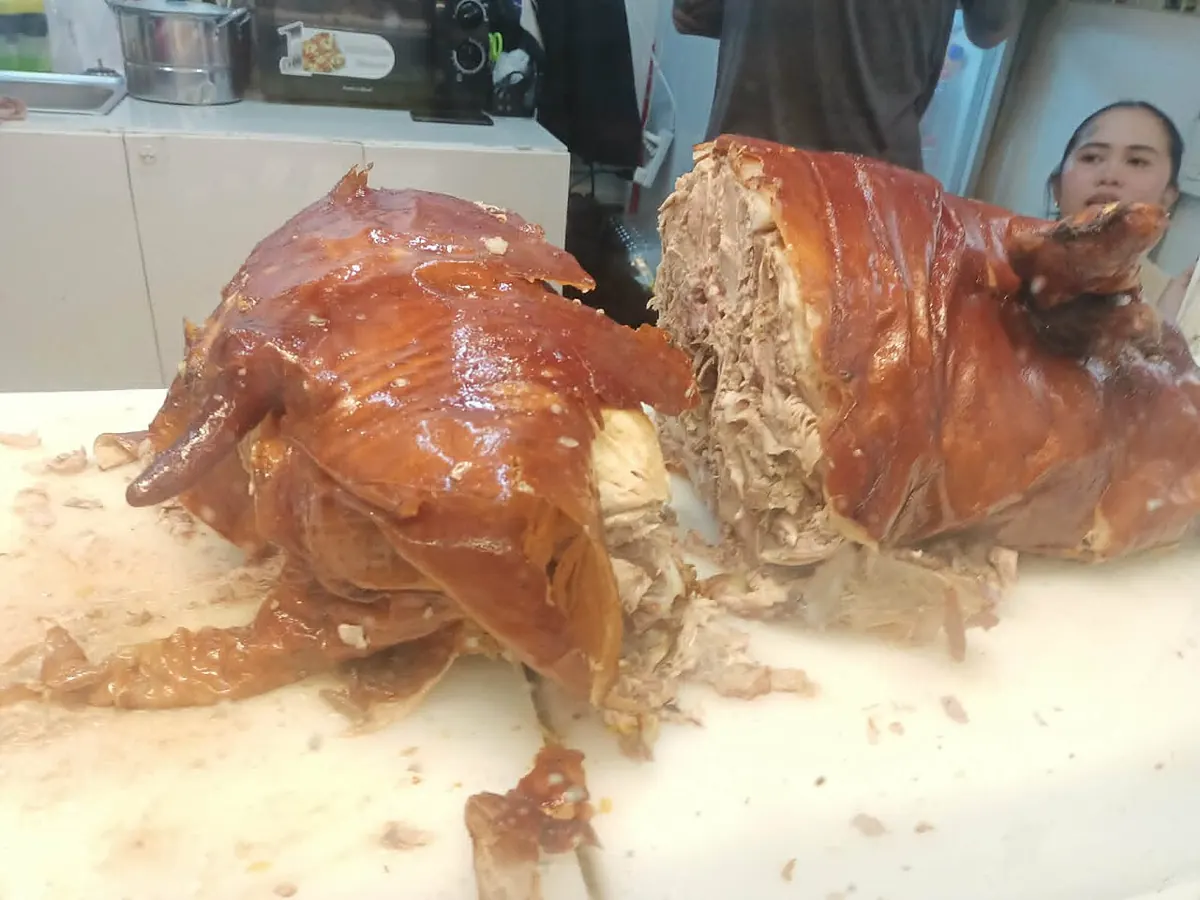
Cebu lechon is roasted whole over charcoal and stuffed with lemongrass, garlic, onion and other aromatics, so the meat is seasoned through and the skin is crackling crisp. Unlike lechon in Manila, it is eaten without liver sauce. You can buy it by weight, which keeps it affordable: a quarter kilo with a couple of puso makes a satisfying meal.
Carcar and Talisay, south of Cebu City, are known for lechon, but you will find good roast pig in markets and shops all over Metro Cebu. Read the full story in our guide to Cebu lechon's secret ingredients.
2. Puso: the hanging rice
Puso is rice cooked inside woven young coconut leaves and sold hanging in bunches. It is cheap, filling and the standard partner for anything grilled. Learn how to make puso at home.
3. Larsian barbecue
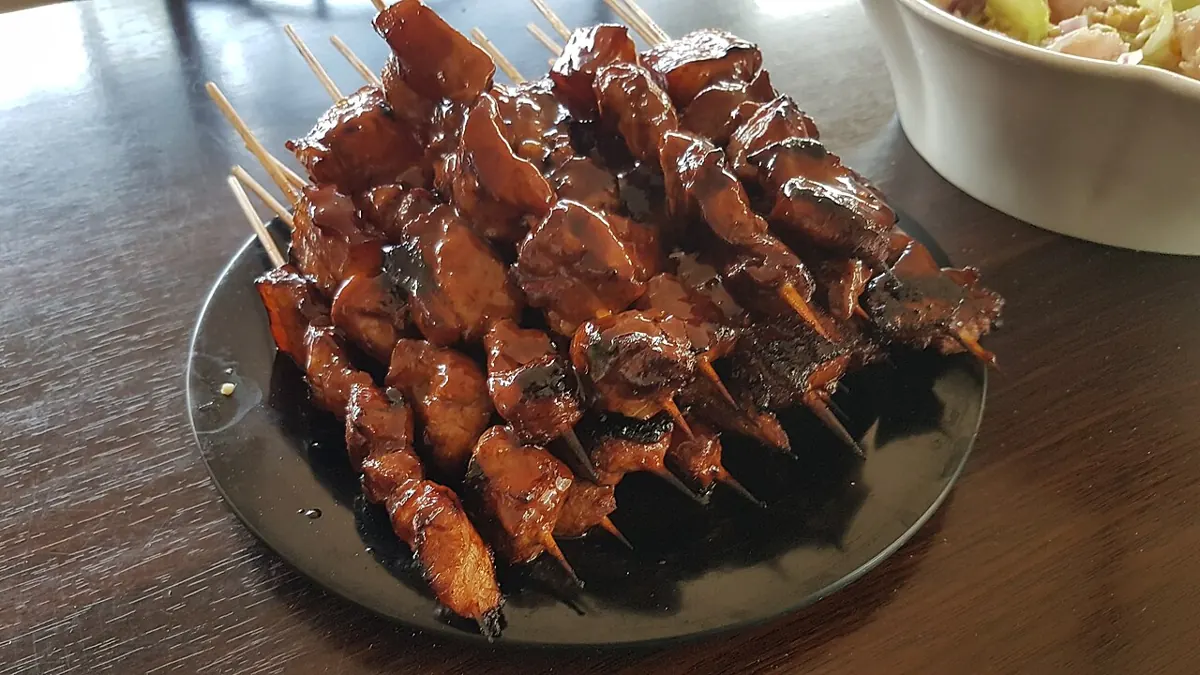
Larsian is a cluster of barbecue stalls near Fuente Osmeña Circle in Cebu City, and for many Cebuanos it is the classic late-night meal. You choose your skewers raw, from pork and chicken to intestines (isaw) and chicken skin, the staff grill them, and you eat at shared tables with puso and a vinegar dip. It is noisy, smoky and great value.
4. Siomai sa Tisa
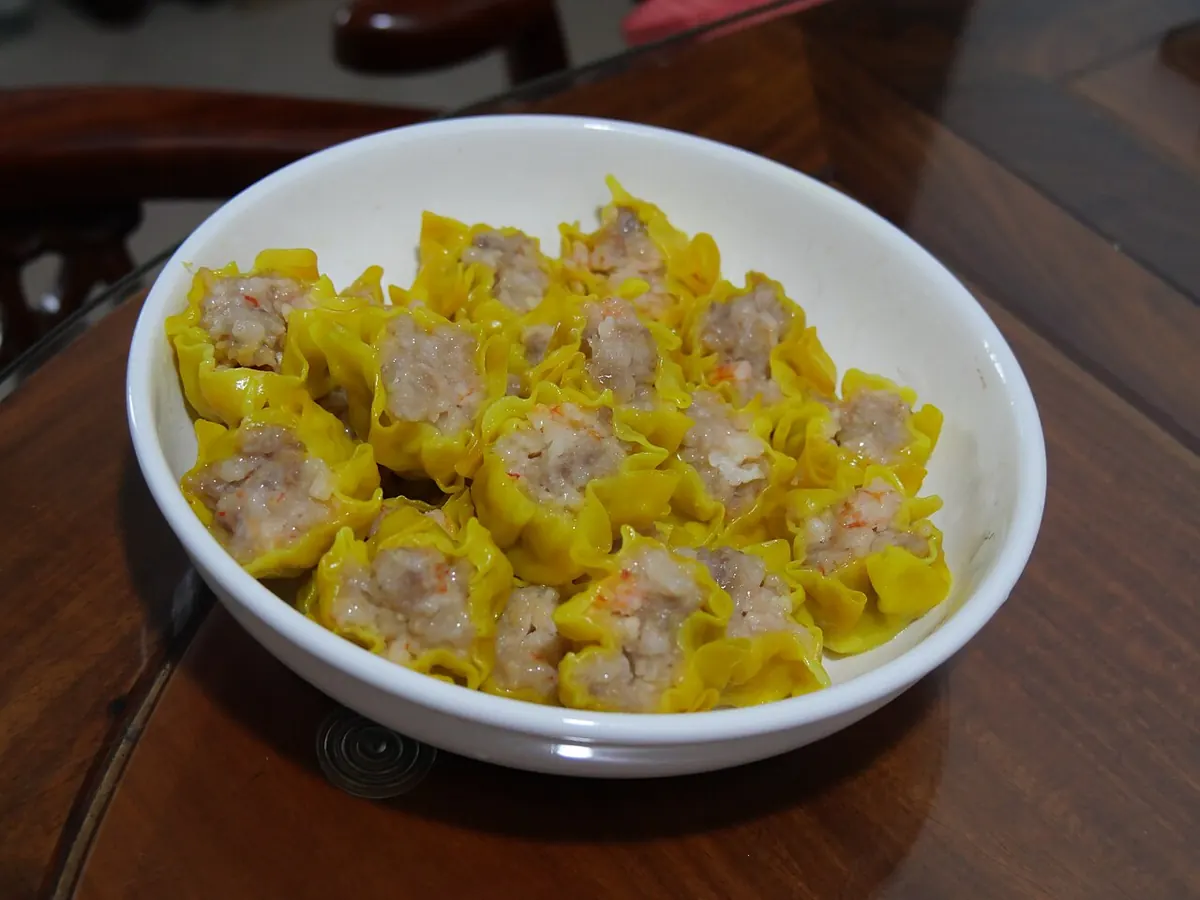
Cebu has its own siomai culture, and the most famous address is Tisa in Cebu City, near Labangon, where rows of stalls steam pork siomai and serve it with soy sauce, calamansi and a punchy chili garlic oil. Students, office workers and families line up, especially in the late afternoon and evening. Order a plate, add rice or puso, and you have a filling meal for little money.
Siomai history: from dim sum to street food
Siomai comes from shumai, a steamed dumpling from Chinese dim sum traditions. It came to the Philippines with Chinese immigrants, who have shaped Filipino food for centuries, and over time it became a Filipino everyday snack sold in carts, kiosks and food courts. Cebu's version leans on pork, is often steamed or fried, and is defined by its fiery chili sauce. Many small siomai houses and stalls in Cebu began as family businesses and grew with word of mouth. If you want to make your own, try our Cebu siomai recipe.
5. Ngohiong
Ngohiong is a Cebuano take on the Chinese spring roll. A wrapper is filled with vegetables, often ubod (heart of palm) or singkamas (jicama), seasoned with five-spice powder, then battered and deep-fried. It is served with a sweet-spicy dipping sauce. You will find it in carinderias, at street stalls and in some local fast-food chains.
6. Tuslob buwa
Tuslob buwa means "dip in bubbles". A small pan sits over a flame, and a sauce made from pork brain or liver, onions, chili and seasonings bubbles away while you dip pieces of puso into it. It started in Pasil, a fishing and market district in Cebu City, and spread to other parts of the city. It is usually priced per pan, so it is a cheap shared snack for a group. See more in our Cebu street food guide.
7. Sutukil
Sutukil stands for sugba (grill), tuwa (soup) and kilaw (raw fish cured in vinegar). You choose fresh seafood by weight and decide how each piece is cooked. It is not the cheapest meal on this list, but sharing among a group keeps it reasonable, especially at simpler places. Ask for the price per kilo before you order.
8. Ginabot
Ginabot is the Cebuano name for deep-fried pork intestine, similar to what Tagalog speakers call chicharon bulaklak. It is crunchy, rich and best eaten with vinegar and chili. Enjoy it as an occasional treat, since it is very fatty.
9. Budbud kabog
Budbud is the Visayan word for a rice cake wrapped in banana leaves, similar to suman. Budbud kabog is made from millet (kabog) rather than rice, giving it a fine, slightly grainy texture. It is associated with the town of Catmon in northern Cebu and is often eaten for breakfast or merienda with hot chocolate or ripe mango.
10. Carinderia meals
The cheapest everyday food in Cebu is found in carinderias, small eateries with trays of cooked dishes. Point at what you want, such as humba (sweet braised pork), utan bisaya (vegetable soup), fried fish or adobo, and add rice. A full meal often costs around ₱70 to ₱150, depending on the viand and the area.
How to eat cheaply and well in Cebu
- Eat where the locals queue. A long line of office workers or students is the best sign of good value.
- Use puso instead of plates of rice. You can order exactly as much as you want.
- Share sutukil and lechon. Both are sold by weight, so groups get better value.
- Carry small bills and coins. Street stalls may struggle with ₱1,000 notes.
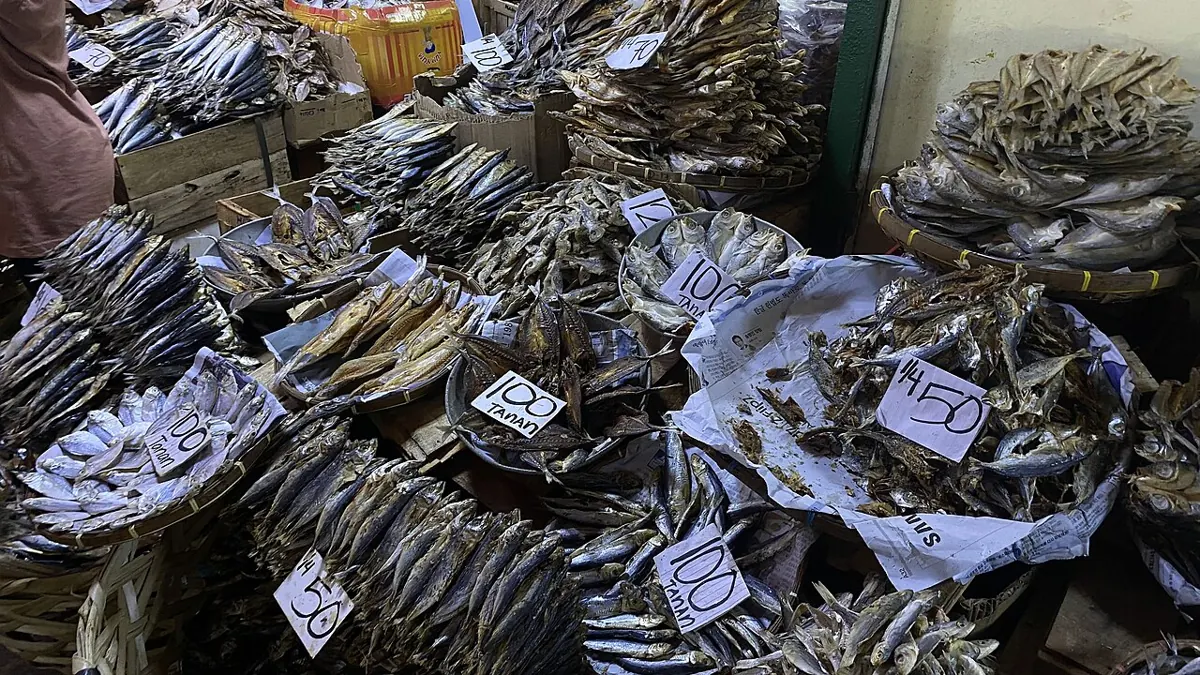
- Bring home pasalubong. Dried mangoes, danggit and otap are great value gifts; buy them at markets or pasalubong shops.
A sample food budget for one day
| Meal | Example | Approximate cost |
|---|---|---|
| Breakfast | Budbud kabog with hot chocolate, or carinderia breakfast | ₱60-₱150 |
| Lunch | Quarter kilo of lechon with 2 puso | ₱200-₱350 |
| Merienda | Ngohiong or siomai | ₱40-₱100 |
| Dinner | Larsian barbecue with puso and soft drink | ₱150-₱300 |
| Total | about ₱450-₱900 |
These are approximate ranges for a hungry traveller eating local food. Restaurants in malls and tourist areas will cost more.
Frequently Asked Questions
What is the most famous food in Cebu?
Lechon is Cebu's most famous food. It is roasted whole and seasoned from the inside with herbs, so it is eaten without sauce.
Where can I find cheap food in Cebu City?
Try carinderias in any neighbourhood, Larsian near Fuente Osmeña for barbecue, Tisa for siomai and Pasil for tuslob buwa. Public markets are also good places for cheap, fresh meals.
What is siomai sa Tisa?
It is the steamed pork siomai sold at the many stalls in Tisa, Cebu City, served with soy sauce, calamansi and chili garlic oil. It is one of the city's best-loved budget snacks.
How much should I budget for food per day in Cebu?
Eating mostly local food, a traveller can spend roughly ₱450 to ₱900 per day. Prices are approximate and vary by area and season.
Is Cebu street food safe to eat?
Most is safe when it is cooked hot and fresh in front of you. Choose busy stalls, avoid food that has been sitting out for long, and drink bottled or filtered water.