How to Make Siomai: Cebu Siomai sa Tisa-Style Recipe
Juicy pork siomai like Cebu's famous Siomai sa Tisa stalls, with homemade chili-garlic oil and calamansi. Steam or fry, and freeze extras for later.
In this article
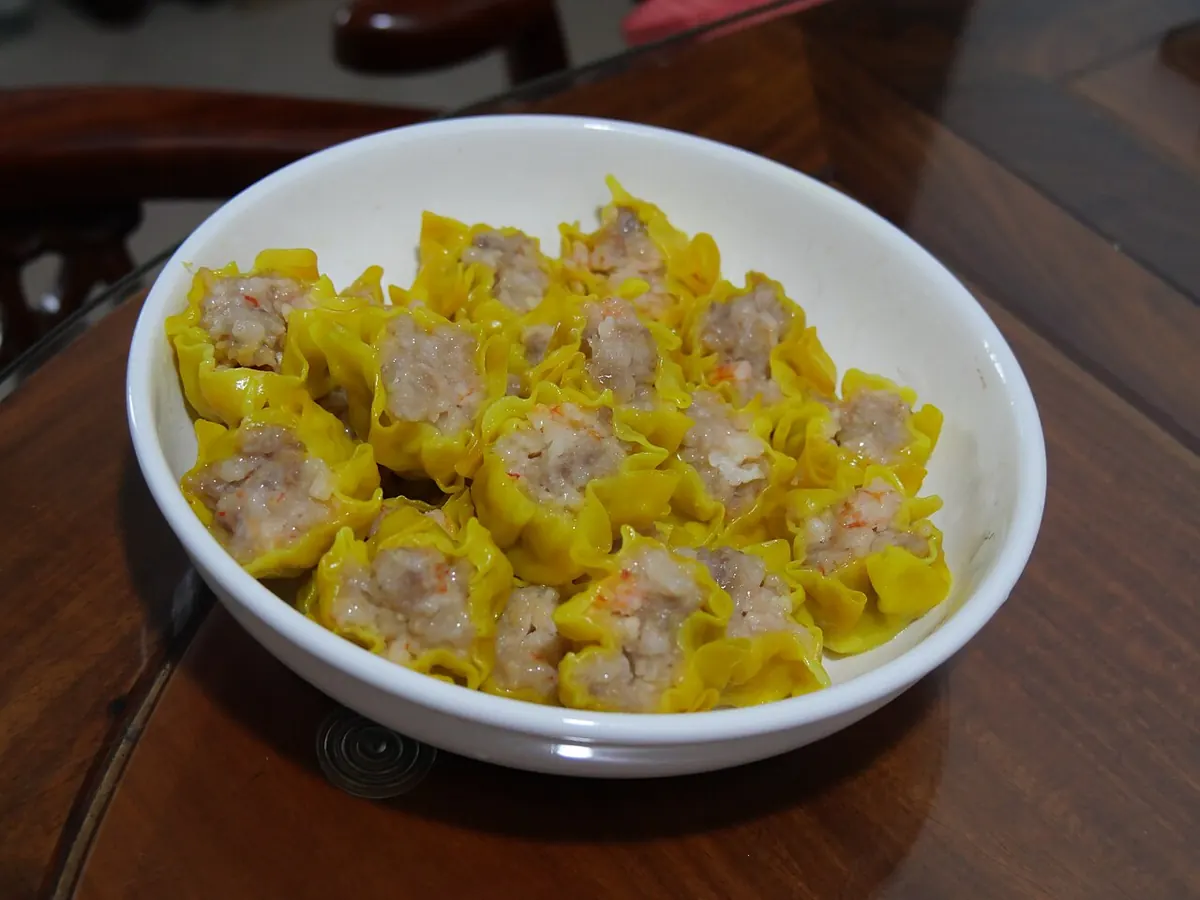
Here is how to make siomai the way Cebu loves it: a juicy pork filling with a little shrimp, wrapped in thin wonton wrappers, steamed until just cooked, then drowned in soy sauce, calamansi and fiery chili-garlic oil. The method takes about an hour, makes around 40 pieces, and the uncooked dumplings freeze well.
What is siomai in English?
Siomai is the Filipino name for shumai (also spelled shaomai or siu mai), an open-topped steamed dumpling from southern Chinese cooking, usually filled with pork and shrimp. Chinese-Filipino communities brought it to the Philippines generations ago, and it has since become everyday street food, sold in malls, school canteens and roadside stalls.
Cebu's Siomai sa Tisa style
In Cebu City, siomai is practically an institution. The best known style is Siomai sa Tisa, named after Barangay Tisa in the Labangon area, where small stalls became famous for cheap, filling siomai eaten late at night. Today you will find "Tisa-style" stalls all over Metro Cebu.
What makes it different:
- Chili-garlic oil is not optional; it is the soul of the dish, and regulars pile it on.
- Calamansi and soy sauce go into the dipping sauce, often mixed in the same saucer.
- Puso (hanging rice) is the usual partner, turning a snack into a meal. Learn more in our guide on how to make puso.
- Both steamed and fried siomai are offered.
For more stalls worth a stop, see our Cebu street food guide.
Ingredients
For the filling (about 40 pieces):
- 500 g ground pork (with some fat, about 20% fat is ideal)
- 200 g shrimp, peeled, deveined and chopped
- 1 medium carrot, finely minced
- 1 medium onion, finely minced
- 4 to 5 pieces water chestnut (or singkamas/jicama), finely chopped
- 3 cloves garlic, minced
- 2 stalks spring onion, chopped
- 1 egg
- 3 tbsp soy sauce
- 1 tbsp oyster sauce
- 1 tbsp sesame oil
- 1 tsp sugar
- 1 tsp salt
- 1/2 tsp ground black pepper
- 2 tbsp cornstarch
- About 40 round or square wonton (molo) wrappers
For the chili-garlic oil:
- 1/2 cup cooking oil
- 1 head garlic, minced
- 2 to 3 tbsp dried chili flakes (or 10 to 15 fresh siling labuyo, minced)
- 1 tsp salt
- 1 tsp sugar
For serving:
- Soy sauce
- Calamansi halves
- Puso or steamed rice
Instructions
- Make the chili-garlic oil first. Heat the oil over low heat, add the garlic and cook gently until pale golden, stirring often. Turn off the heat, stir in the chili, salt and sugar, and let it cool. It keeps for about two weeks in a clean jar in the fridge.
- Prepare the vegetables. Squeeze the minced carrot and onion lightly in a clean cloth to remove excess water, so the filling does not turn soggy.
- Mix the filling. In a large bowl, combine the pork, shrimp, carrot, onion, water chestnut, garlic and spring onion. Add the egg, soy sauce, oyster sauce, sesame oil, sugar, salt, pepper and cornstarch.
- Stir in one direction. Mix with a spoon or your hand in one direction for two to three minutes until the mixture turns sticky. This gives siomai its springy texture.
- Test the seasoning. Fry or microwave a teaspoon of filling, taste, then adjust salt or soy sauce.
- Wrap. Hold a wrapper in the circle made by your thumb and index finger. Place about 1 tablespoon of filling in the centre, push it down into the circle and gently squeeze the sides so the wrapper pleats around the filling, leaving the top open. Flatten the top and bottom with a wet spoon.
- Steam. Line a steamer with lightly oiled banana leaf, cabbage leaves or baking paper. Arrange siomai with a little space between them and steam over boiling water for 15 to 20 minutes, until the filling is firm and cooked through.
- Or fry. For fried siomai, steam first, cool slightly, then shallow-fry in hot oil until golden and crisp on all sides.
- Serve. Mix soy sauce and calamansi in a saucer, add a generous spoon of chili-garlic oil, and dip. Serve with puso or rice.
Variations: special siomai and pork siomai
| Version | What changes | Best for |
|---|---|---|
| Classic pork siomai | Pork only, no shrimp | Budget cooking, kids |
| Special siomai | Pork and shrimp, sometimes topped with a bit of carrot or quail egg | Parties, gifts |
| Japanese-style siomai | Wrapped in a thin strip of nori around the middle | A twist for snack stalls |
| Chicken siomai | Ground chicken instead of pork | Lighter option |
| Beef siomai | Ground beef with extra spring onion | Halal or pork-free households (use halal-certified ingredients) |
For a richer special pork siomai recipe, replace 100 g of the pork with ground pork belly and add one extra tablespoon of oyster sauce. Some cooks also add a little minced mushroom for umami.
How to make siomai for business: practical tips
Many Filipinos start a small siomai stall at home because the setup is simple. If you are thinking of how to make siomai for business, keep these points in mind:
- Standardise the size. Use a measuring spoon so every piece is the same; it keeps costs predictable and cooking even.
- Cost every batch. Prices of pork, shrimp and wrappers change often, so recompute your cost per piece regularly before setting your selling price.
- Sauce is your signature. Customers come back for a good chili-garlic oil. Make it consistent and never run out.
- Food safety first. Keep raw filling cold, steam to a fully cooked centre, and check with your city or municipal hall about sanitary permits and a business permit.
- Offer combos. Siomai with puso or rice, and both steamed and fried options, increase sales.
If you are budgeting a small venture, our currency converter is handy when sourcing equipment priced in other currencies.
Frequently Asked Questions
What is siomai in English?
Siomai is the Filipino name for shumai, a steamed Chinese dumpling usually filled with pork and shrimp. In English it is often simply called a pork dumpling.
How long do you steam siomai?
Steam fresh siomai for about 15 to 20 minutes over boiling water, and frozen siomai for about 20 to 25 minutes. The filling should be firm and cooked through.
What is Siomai sa Tisa?
It is a Cebu street food style that started in Barangay Tisa, Cebu City, known for affordable siomai served with chili-garlic oil, soy sauce and calamansi, often eaten with puso.
Can I use other wrappers?
Yes. Wonton or molo wrappers are standard, but thin dumpling or gyoza wrappers also work. Keep them covered with a damp cloth so they do not dry out while you wrap.