Short Stories in Philippine Literature vs American Writing
From Dead Stars to May Day Eve: how Philippine literature grew alongside and apart from American writing, and which short stories to read first.
In this article
The best way to understand short stories in Philippine literature is to see them as the product of many languages and three colonial eras, whereas American literature grew mostly in one language from one national story. Filipino writers write in English, Filipino (Tagalog), Cebuano and other languages, and their stories often deal with family, faith, migration and colonial identity. This guide compares the two traditions and suggests classic Philippine short stories in English and Tagalog to start with.
A quick history of Philippine literature
Philippine literature did not begin with the colonisers. Long before Spanish arrival in the 16th century, communities had oral epics, riddles, proverbs and chants, such as the Ilocano epic Biag ni Lam-ang, the Panay epic Hinilawod and epics of Mindanao's indigenous peoples.
| Period | Main languages | Notable forms and works |
|---|---|---|
| Pre-colonial | Native languages | Oral epics, riddles (bugtong), proverbs, chants |
| Spanish era (1565-1898) | Spanish, Tagalog and other native languages | Religious texts, pasyon, awit and korido; Balagtas's Florante at Laura; Rizal's Noli Me Tangere (1887) and El Filibusterismo (1891) |
| American era (1898-1946) | English, Tagalog, Cebuano and others | First Filipino short stories and poems in English; growth of Tagalog and Cebuano magazines |
| Post-war to present | English, Filipino, regional languages | Modern fiction, poetry, theatre, film scripts, online writing |
The American period matters most for this comparison. Public schools taught in English after 1901, when American teachers known as the Thomasites arrived. Within one generation, Filipino writers were publishing short stories in English, while at the same time magazines like Liwayway (Tagalog) and Bisaya (Cebuano) kept stories in local languages thriving.
How short stories in Philippine literature differ from American writing
Language
American literature is overwhelmingly written in English. Philippine literature is multilingual: a single writer may publish in English and Filipino, and regional literatures in Cebuano, Hiligaynon, Ilocano and others are full traditions of their own. Cebuano fiction, for example, has its own long magazine history. Our guide to the languages of Cebu and Davao explains why this matters.
Colonial experience
American literature includes the voice of a former colony that became a world power. Philippine literature is shaped by being colonised by Spain, then the United States, and occupied by Japan during World War II. Questions like "Who are we?" and "Whose language are we writing in?" appear again and again.
Themes
| Common in Philippine short stories | Common in American short stories |
|---|---|
| Family duty and close-knit clans | Individualism and self-invention |
| Catholic faith, folk belief and superstition | Religion as one theme among many, often secular |
| Rural life, land and poverty | Suburbs, cities, frontier and road |
| Migration and the overseas Filipino | Immigration to America, the "American Dream" |
| Colonial identity and nationhood | Race, class and regional identity within the nation |
These are broad patterns, not rules. American fiction also has strong family and faith stories, and modern Filipino fiction often deals with cities, technology and individual choices.
Readership and publishing
American writers work within a large domestic publishing market. Many Filipino writers have relied on newspapers, magazines, university presses, literary contests and workshops. The Palanca Awards, given since the 1950s, have long been one of the most prestigious honours for Filipino writing in several languages.
Classic Philippine literature short stories in English
These are frequently taught in Philippine schools and are good starting points. Each one also shows a theme that sets Philippine writing apart.
- "Dead Stars" by Paz Marquez-Benitez (1925). Often described as one of the first modern Filipino short stories in English. A man realises, too late, that his feelings for another woman have faded like light from a dead star. Quiet, careful and deeply Filipino in its sense of duty.
- "The Small Key" by Paz Latorena. A short, sad story about a husband, a wife and a small key that reveals the past. It shows how much feeling Filipino writers could put into very few pages.
- "How My Brother Leon Brought Home a Wife" by Manuel Arguilla. A rural story told by a young boy, celebrated for its sensory descriptions of the Ilocos countryside and family life.
- "May Day Eve" by Nick Joaquin (1947). Set in old Manila, it uses the folk belief that a girl can see her future husband in a mirror at midnight on May Eve. Joaquin, later named a National Artist, often wrote about the Spanish past.
- "Footnote to Youth" by José Garcia Villa. A story about early marriage and lost dreams on a farm. Villa became better known as a poet in New York, which itself shows the Filipino-American connection.
- "Scent of Apples" by Bienvenido N. Santos. About Filipino migrants in the American Midwest who long for home. Santos wrote often about Filipinos abroad.
- "The Wedding Dance" by Amador Daguio. A story set among the people of the Cordillera, about love, tradition and the pressure to have children.
Tagalog literature short stories to try
If you read Filipino, or want to practise, these short stories are widely taught:
- "Impeng Negro" by Rogelio Sikat, about a boy bullied for his dark skin and his fight for dignity.
- "Ang Kalupi" by Benjamin Pascual, about a woman who accuses a poor boy of stealing her wallet.
- "Uhaw ang Tigang na Lupa" by Liwayway Arceo, a lyrical story about a family and a marriage told by a daughter.
Many collections include English translations, so you can read them side by side.
Where to start reading
- Pick a school anthology. Philippine literature anthologies used in high schools and colleges collect most of the stories above in one book.
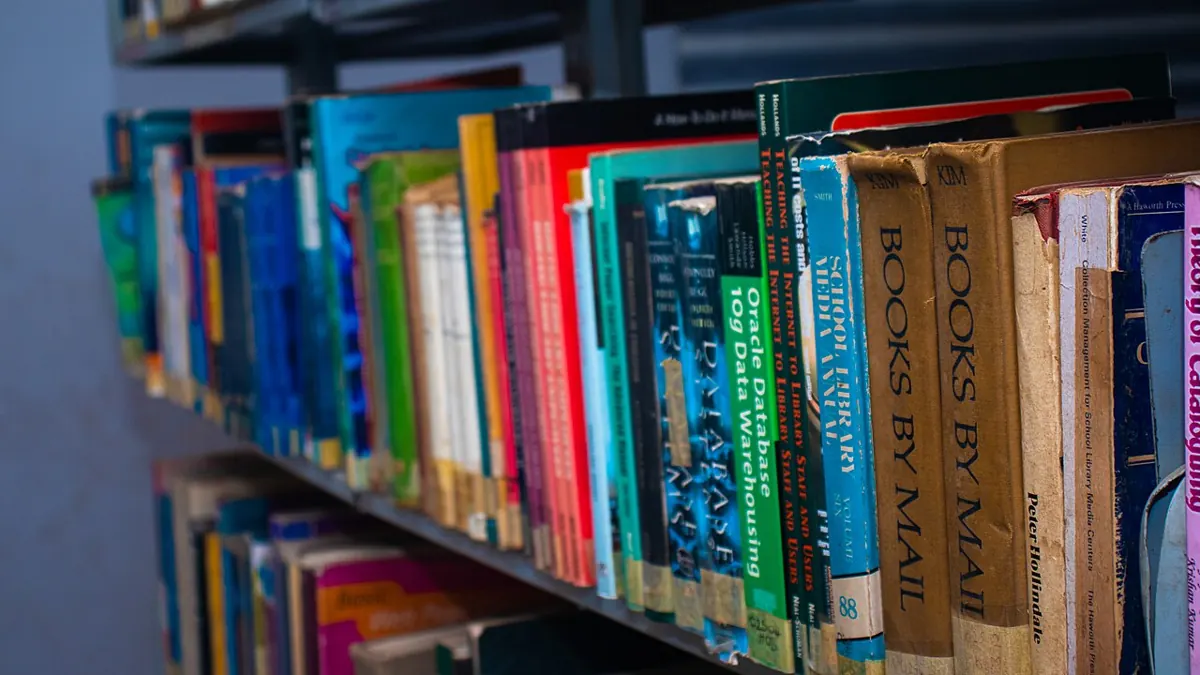
- Visit a bookstore or library. Bookstores in Cebu and Davao malls and university libraries often have a Filipiniana section.
- Try a regional writer. Look for Cebuano writing in translation to see how Visayan writers tell stories.
- Compare with an American classic. Read "Dead Stars" next to an early 20th-century American love story and notice the role of family and duty.
If you enjoy comparing books and authors, see our review of Stephen King's Different Seasons, and for the bigger historical picture read our explainer on the EDSA People Power Revolution, a key moment many modern Filipino writers have responded to.
Frequently Asked Questions
What is the first Filipino short story in English?
"Dead Stars" by Paz Marquez-Benitez, published in 1925, is widely regarded as the first modern Filipino short story in English, though some earlier English-language stories by Filipinos exist.
What are examples of short stories in Philippine literature?
Popular examples include "Dead Stars" by Paz Marquez-Benitez, "May Day Eve" by Nick Joaquin, "The Small Key" by Paz Latorena, and Tagalog stories like "Impeng Negro" by Rogelio Sikat.
How is Philippine literature different from American literature?
Philippine literature is written in many languages and shaped by Spanish and American colonisation, so it often focuses on family duty, faith, rural life and national identity. American literature is mainly in English and often centres on individualism and the American Dream.
Why do Filipino writers write in English?
English became the language of schools under American rule from the early 1900s, so generations of Filipinos learned to write in it. Many writers also write in Filipino and regional languages.