History of Philippine Airlines: Asia's Oldest Airline Name
Founded in 1941, Philippine Airlines is Asia's oldest commercial airline still flying under its original name. Here's its story, from Manila-Baguio hops to long-haul jets.
In this article
The history of Philippine Airlines (PAL) begins in 1941, when it was founded in Manila and flew its first route from Manila to Baguio. That makes PAL the oldest commercial airline in Asia still operating under its original name. In the eight decades since, it has survived war, financial crises and a pandemic, and grown from a single twin-engine plane into the country's flag carrier, with key bases in Manila, Cebu and beyond.
History of Philippine Airlines at a glance
| Fact | Details |
|---|---|
| Founded | 1941, in Manila |
| First flight | March 1941, Manila to Baguio |
| First aircraft | A Beechcraft Model 18 twin-engine plane |
| Claim to fame | Asia's oldest commercial airline still flying under its original name |
| Main hub | Ninoy Aquino International Airport (Manila) |
| Other key bases | Mactan-Cebu International Airport and Clark, among others |
| Regional arm | PAL Express |
| Official website | philippineairlines.com |
1941: the beginning
Philippine Airlines was established in early 1941 by a group of businessmen, with industrialist Andres Soriano among its leading figures. In March 1941 it launched its first scheduled service, flying passengers between Manila and Baguio, the cool summer capital in the mountains of northern Luzon. The airline's first aircraft was a small twin-engine Beechcraft Model 18.
Just months later, the Pacific War reached the Philippines, and civilian flying stopped. PAL's operations were suspended during the Japanese occupation.
The post-war rebirth and the transpacific era
After the war, Philippine Airlines resumed operations in 1946 and grew fast. It used surplus military transport planes such as the Douglas DC-3 to rebuild domestic routes across the islands, connecting Manila with cities in the Visayas and Mindanao.
In 1946 PAL also flew across the Pacific to the United States, a milestone often described as the first transpacific flight by an Asian airline. Through the late 1940s and 1950s, it added routes to other Asian cities and, for a time, to Europe.
Key milestones in the history of Philippine Airlines
| Year / period | Milestone |
|---|---|
| 1941 | Founded; first flight Manila-Baguio |
| 1941-1945 | Operations suspended during World War II |
| 1946 | Operations resume; first transpacific flight to the US |
| 1960s-1970s | Jet age; expansion of international and domestic networks |
| Late 1970s | Government becomes the majority owner |
| Early 1990s | Privatised; a private consortium takes control |
| Mid-1990s onward | Businessman Lucio Tan becomes the controlling shareholder |
| 1998 | Severe financial crisis; operations briefly suspended, followed by rehabilitation |
| 2000s | Exits court-supervised rehabilitation and rebuilds its fleet |
| 2010s | Fleet renewal with new Airbus and Boeing aircraft; regional arm rebranded PAL Express |
| 2020-2021 | Pandemic collapses travel; airline restructures through a court process in the US and emerges |
Jet age and government ownership
The 1960s and 1970s brought jets and longer routes. PAL flew jet aircraft such as Boeing 707s and later wide-body planes including the Boeing 747, linking Manila with Asia, the Middle East, Australia, Europe and North America.
In the late 1970s the government took majority control of the airline. Under state ownership, PAL became the country's single dominant international carrier for many years.
Privatisation and the 1998 crisis
In the early 1990s, PAL was privatised and passed to a private consortium. Over the following years, businessman Lucio Tan emerged as the controlling shareholder.
The Asian financial crisis of 1997-1998 hit the airline hard. Combined with labour disputes and heavy debts from fleet purchases, it led to one of the darkest moments in PAL's history: in 1998 the airline briefly suspended operations. It returned to the skies within weeks, went through a long court-supervised rehabilitation, and eventually exited it in the 2000s.
Modern PAL: new planes and new challenges
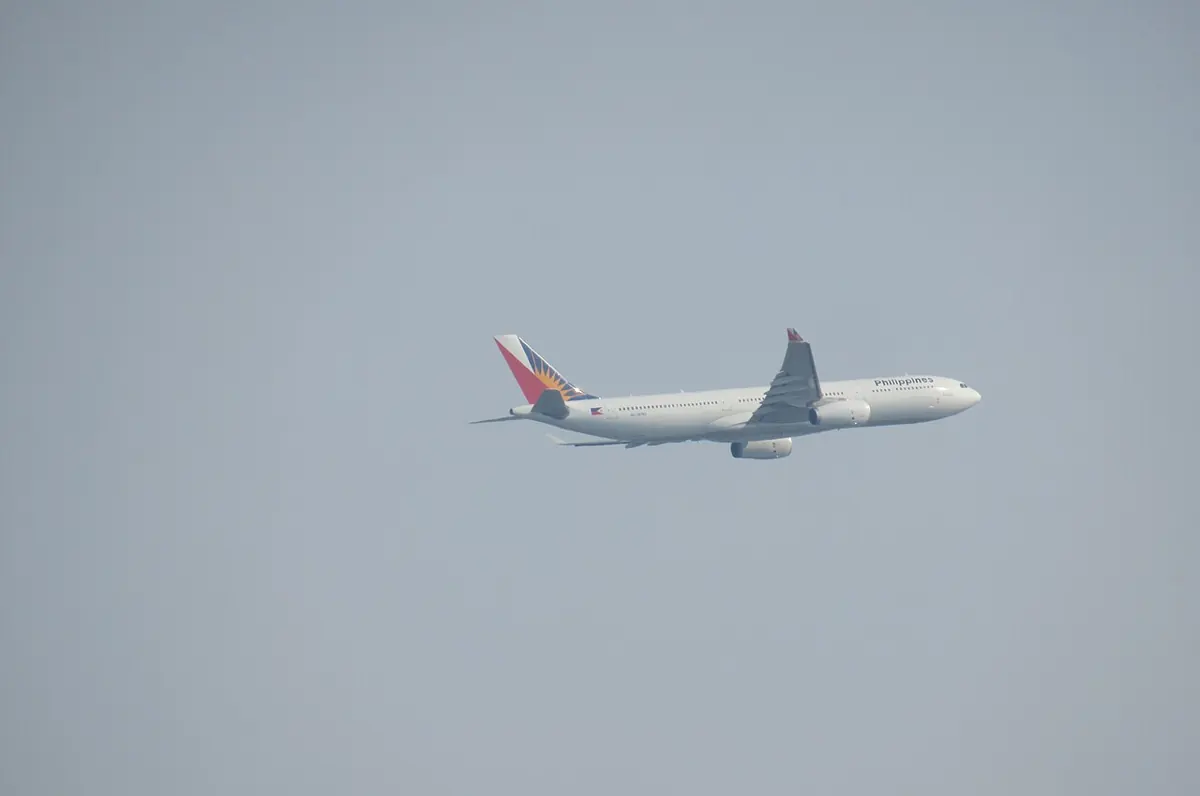
The 2010s saw major fleet renewal, with Airbus A320-family and A330 aircraft, Boeing 777s for long-haul, and the long-range Airbus A350 joining from 2018. The regional subsidiary, previously known as Airphil Express, was rebranded PAL Express and focuses on domestic and short regional routes.
The COVID-19 pandemic was another enormous shock. With travel largely halted in 2020, PAL went through a financial restructuring under a US court process in 2021 and emerged later that year, after which it rebuilt its network as travel recovered.
Philippine Airlines in Cebu and Davao
Cebu: PAL's second home
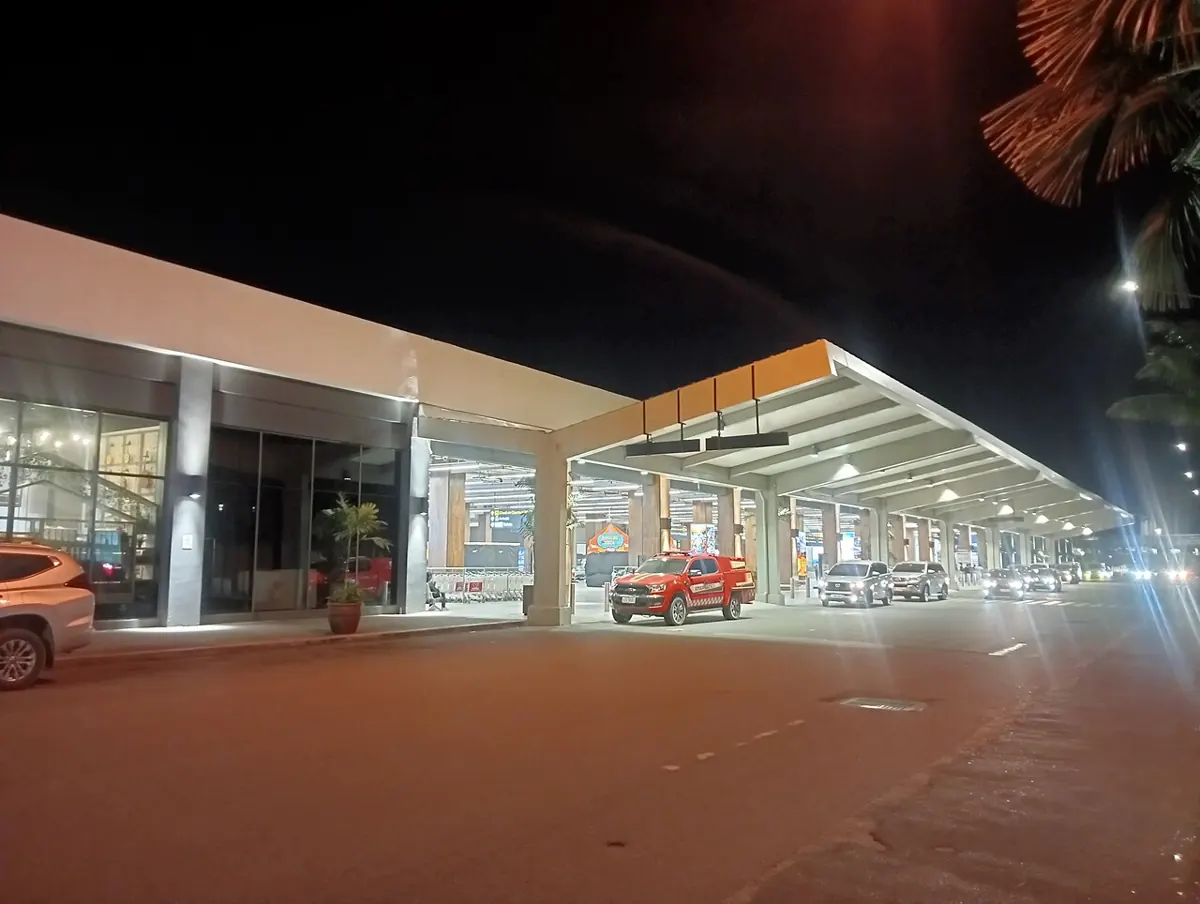
Mactan-Cebu International Airport is one of PAL's most important bases outside Manila. From Cebu, PAL and PAL Express connect the Visayas with Luzon, Mindanao and international destinations, so travellers do not always need to pass through Manila. That is a big deal for Cebuanos and for tourists heading to beaches in Cebu and Bohol. Our guide to Mactan airport taxis helps when you land.
Davao: the Mindanao gateway
Davao's Francisco Bangoy International Airport is one of the main gateways to Mindanao. PAL and PAL Express have long served Davao with flights to Manila and Cebu, among others, and routes change over time. When you arrive, our Davao airport taxi guide explains how to get into the city.
Thinking of a trip between the two cities? Read about the Davao to Cebu land and sea route and our tips for finding cheap flights in the Philippines.
Symbols, service and identity
PAL's logo draws on the sun and stars of the Philippine flag, and its branding has long leaned on Filipino hospitality. Over the decades, its cabin crew uniforms, in-flight meals and service style have been part of how many Filipinos, especially overseas Filipino workers flying home, remember coming back to the Philippines.
Frequently Asked Questions
When was Philippine Airlines founded?
Philippine Airlines was founded in 1941 and flew its first route, Manila to Baguio, in March of that year.
Is Philippine Airlines the oldest airline in Asia?
PAL is widely described as Asia's oldest commercial airline still operating under its original name. Some other carriers in the region are older in origin but have since changed names or been reorganised.
Who owns Philippine Airlines?
PAL is privately owned. Since the 1990s, businessman Lucio Tan and his group have been its controlling shareholders.
Does Philippine Airlines fly from Cebu and Davao?
Yes. PAL and PAL Express operate from Mactan-Cebu International Airport and Davao's Francisco Bangoy International Airport. Routes change, so check the official website for current schedules.