PBA Basketball and Beyond: UAAP, MPBL and Gilas Explained
A simple guide to the Philippines' basketball obsession, from the PBA and college leagues to the MPBL, Gilas Pilipinas and the barangay court.
In this article
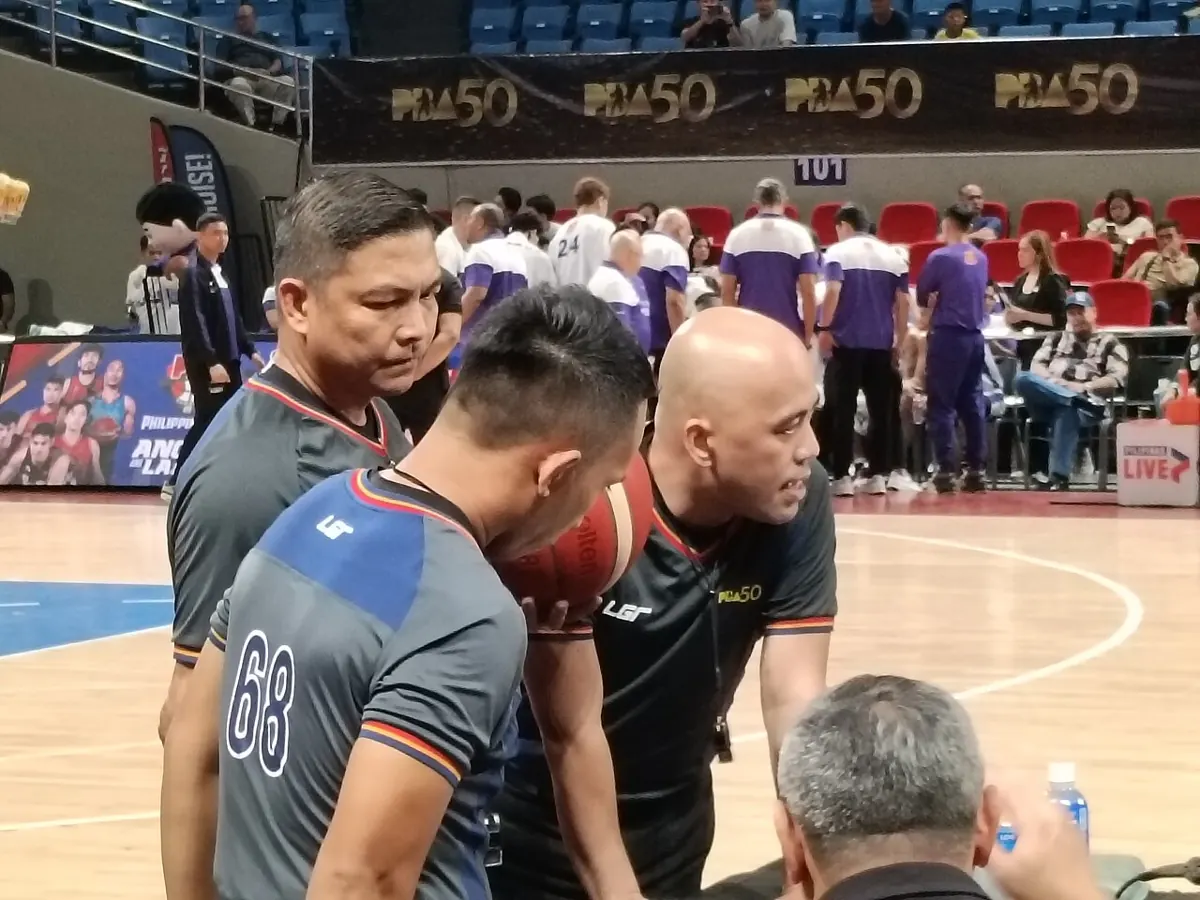
PBA basketball is the top professional level of the Philippines' favourite sport. The Philippine Basketball Association, founded in 1975, is widely described as Asia's first professional basketball league. Around it sits a whole ecosystem: college leagues like the UAAP and NCAA, the regional MPBL, the national team Gilas Pilipinas, and countless barangay courts where almost every Filipino first learned to shoot.
Philippine Basketball at a Glance
| League or team | Level | Key facts |
|---|---|---|
| PBA | Professional | Founded 1975; corporate-owned teams; several conferences a season |
| UAAP | College | Major Metro Manila universities; huge TV following |
| NCAA (Philippines) | College | The country's oldest collegiate athletic association |
| MPBL | Semi-pro/regional | First season 2018; teams represent cities and provinces |
| Gilas Pilipinas | National team | Represents the Philippines in FIBA and Asian Games events |
| CESAFI | College/high school (Cebu) | Cebu's main school league |
PBA Basketball: How the Pro League Works
The PBA was formed in 1975 when several companies' teams broke away from the amateur ranks to create a professional league. That history explains a feature that surprises foreign fans: most PBA teams are named after corporations or brands, not cities.
Conferences instead of one season
A PBA season is split into several shorter tournaments called conferences, each with its own champion. Some conferences allow a foreign "import" player per team, often with a height limit, while the All-Filipino conference uses only local players. Formats and conference names have been adjusted over the years, so check the league's official site for the current season structure.
Rivalries and fan culture
Long-running rivalries between corporate sister teams and popular franchises draw big crowds. Games are mostly held in Metro Manila arenas, but the PBA regularly stages out-of-town games in provincial cities, and Cebu and Davao have hosted them. These games tend to be loud, packed affairs.
Cebu's PBA connection
Cebu has produced many standout players. The most famous in recent years is June Mar Fajardo, the Cebuano centre from Pinamungajan who has won a record number of PBA Most Valuable Player awards. His success is a point of pride across the Visayas. For more local sporting heroes, see our list of famous people from Cebu.
UAAP and NCAA: College Basketball
College basketball is arguably as popular as the PBA, with passionate alumni and student followings.
- UAAP (University Athletic Association of the Philippines): includes major universities in Metro Manila. Its basketball finals regularly fill big arenas.
- NCAA (National Collegiate Athletic Association): the oldest collegiate sports association in the country, with its own long-standing rivalries.
Many PBA stars are discovered in these leagues, and the annual PBA Draft picks heavily from them.
Cebu's college scene: CESAFI
In Cebu, the Cebu Schools Athletic Foundation, Inc. (CESAFI) runs the main school league, with Cebu universities and high schools competing in basketball and other sports. CESAFI games draw strong local crowds and have produced players who went on to Manila colleges and the PBA.
Davao also has active school and collegiate competitions, and Davao-based schools send players to national tournaments.
The MPBL: Basketball for Your Hometown
The Maharlika Pilipinas Basketball League (MPBL) was launched in 2018 with a different idea: teams represent cities and provinces instead of companies. That gave fans outside Metro Manila a home team to cheer for.
Teams from across Luzon, the Visayas and Mindanao have taken part over the seasons, including teams associated with Davao and with Cebu-area localities. The roster of teams changes from season to season as franchises join, leave or rename, so check the MPBL's official channels for the current list.
Gilas Pilipinas and FIBA
Gilas Pilipinas is the men's national team. The name comes from the Filipino word gilas, meaning skill or flair.
Key moments for Philippine basketball in recent years include:
- FIBA Basketball World Cup 2023: the Philippines co-hosted the tournament with Japan and Indonesia, with the final phase played in Manila.
- 2022 Asian Games (held in Hangzhou in 2023): Gilas won the gold medal, the country's first Asian Games basketball gold in decades.
Gilas regularly plays in FIBA Asia Cup qualifiers and World Cup qualifiers, often in Manila, and these games draw large home crowds. The women's national team, also known as Gilas Pilipinas Women, has also been growing in profile.
Barangay Court Culture
The heart of Philippine basketball is the barangay court. Nearly every neighbourhood has one, sometimes covered, often open-air, used for everything from pick-up games to fiestas and community meetings.
- Liga: local tournaments, especially during summer and fiestas, with teams sponsored by local businesses and officials.
- Pick-up games: called pustahan when friendly bets are involved, though plenty are just for fun.
- Improvised hoops: in tight neighbourhoods, a hoop nailed to a post or wall is common.
If you are visiting Cebu or Davao, joining a casual evening game is a great way to meet locals. Be prepared for physical play and lots of friendly trash talk in Bisaya. Our Bisaya phrases guide will help you keep up.
How to Watch Philippine Basketball
Broadcast and streaming partners change from season to season, so check each league's official website and social media pages for the latest.
| League | Where to look for broadcasts |
|---|---|
| PBA | Official PBA website and social pages for TV and streaming partners |
| UAAP / NCAA | League announcements; usually free TV and streaming each season |
| MPBL | League's official channels; often streamed online |
| Gilas Pilipinas | Samahang Basketbol ng Pilipinas (SBP) announcements and FIBA channels |
To watch live, buy tickets through the official ticketing partners listed by the league or venue. Avoid scalpers, especially for Gilas and finals games. For international basketball, the FIBA website lists schedules and results.
Beyond Basketball
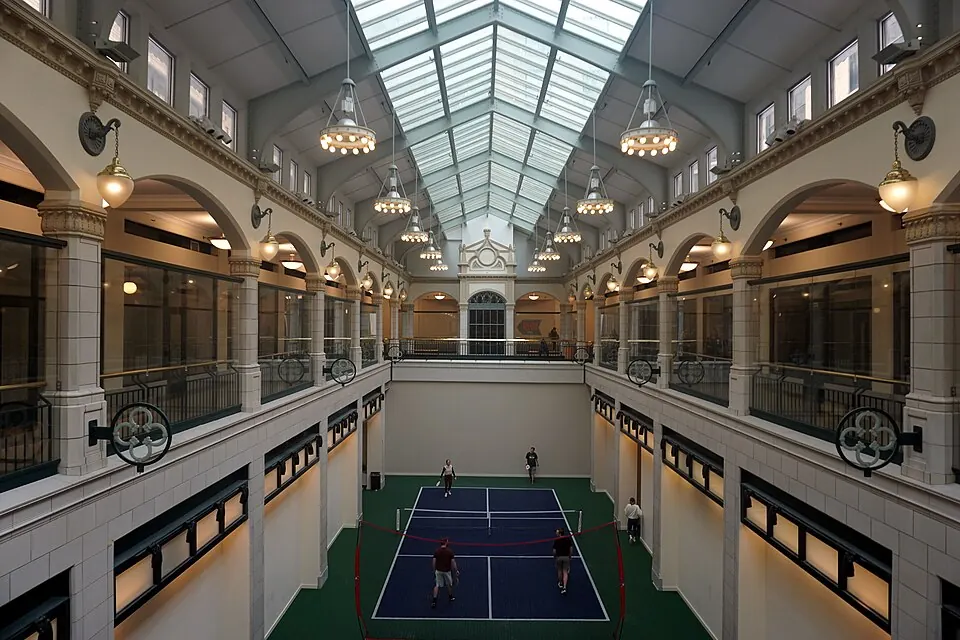
Filipinos love other sports too. Boxing has deep roots in Cebu and Mindanao, football has a growing following, and pickleball has boomed in recent years. Read our guides to boxing legends from Cebu and Davao, football in the Philippines and the pickleball boom.
Frequently Asked Questions
When was the PBA founded?
The Philippine Basketball Association was founded in 1975 and is widely described as Asia's first professional basketball league.
What is the difference between the PBA and the MPBL?
PBA teams are mostly owned by companies and carry brand names, while MPBL teams represent cities and provinces. The PBA is the top professional league; the MPBL is a regional league with a hometown focus.
Who is the most famous basketball player from Cebu?
June Mar Fajardo from Pinamungajan, Cebu, is the best known, having won a record number of PBA MVP awards.
What is Gilas Pilipinas?
Gilas Pilipinas is the Philippine national basketball team. It competes in FIBA tournaments and won gold at the 2022 Asian Games, which were held in 2023.
How can I watch PBA basketball games?
Check the PBA's official website and social media for the current TV and streaming partners. Tickets for live games are sold through official ticketing outlets.