Cebu Water Rationing: Capitol Readies Trucks for Super El Niño
Cebu Province is preparing water rationing and truck deliveries for mountain barangays ahead of a Super El Niño. Here's what the Capitol, MCWD and Davao's water district have announced.
In this article
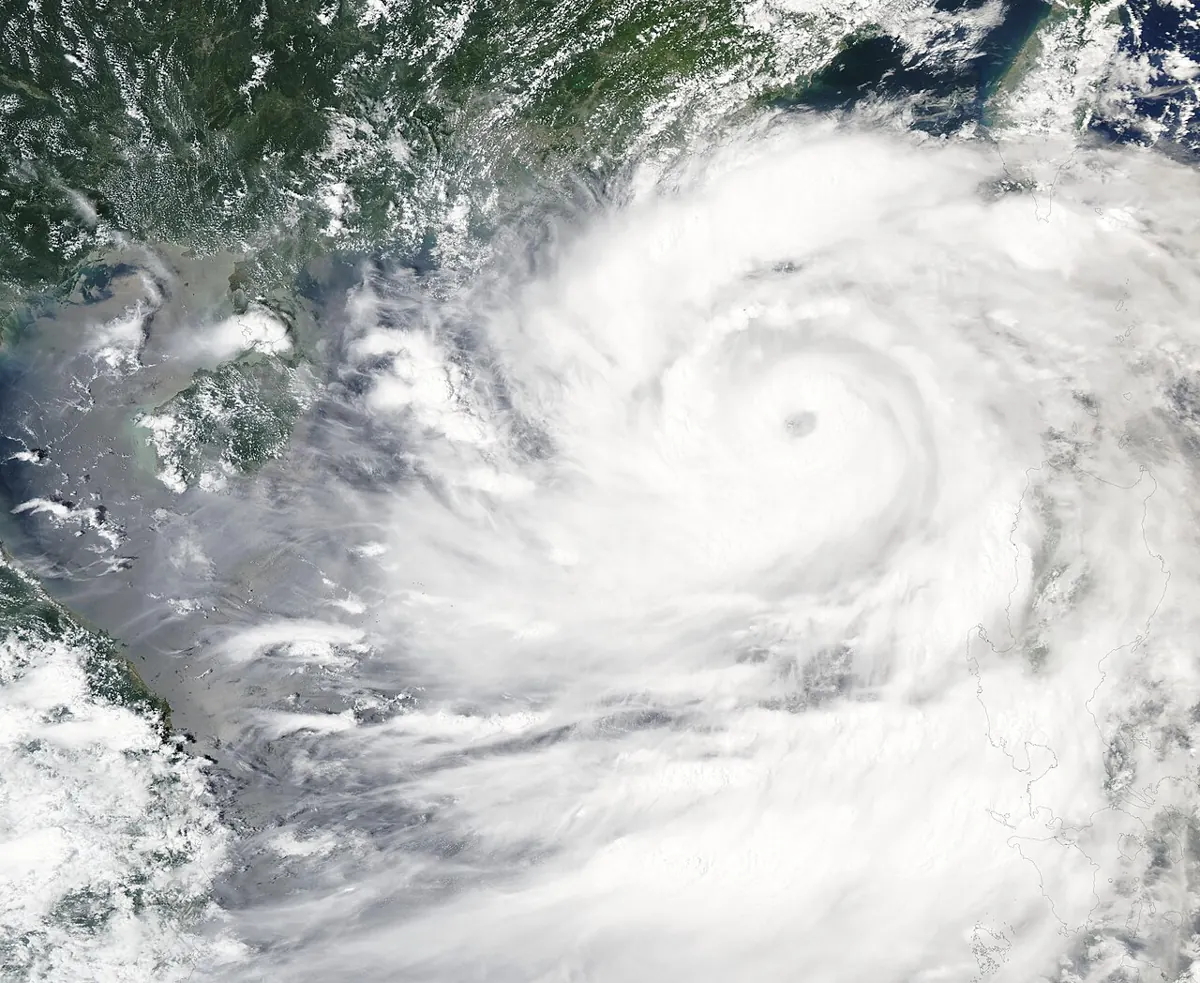
Cebu water rationing is moving from talk to preparation. At a press conference on Tuesday, November 10, the Cebu Provincial Government said it is getting water trucks ready for communities that may run short as a Super El Niño builds. Mountain barangays and other areas with limited access to water will be served first, according to reports by SunStar Cebu and The Freeman.
What the Cebu Water Rationing Plan Covers
Engineer Aldrin Barade, who heads the Cebu Province Inter-LGU Waterworks System, said trucks will deliver water directly to households, with priority for upland barangays. He told reporters that treated water will remain the main supply because it is safe to drink, SunStar reported.
Governor Pamela Baricuatro said the Capitol's role is mainly to back up towns and cities that lack enough equipment of their own. The Provincial Disaster Risk Reduction and Management Office (PDRRMO) is taking stock of water trucks and fire trucks across the province to see which local governments need help, and The Freeman reported that some LGUs have already told the PDRRMO their supply is dropping.
The province is also buying more water trucks. Officials have not said how many, or exactly when rationing would begin.
Where the water will come from
Refilling stations will serve both provincial and municipal trucks. The main sources are government water treatment plants:
| Item | Status, as reported on November 10 |
|---|---|
| Plants already operating | Moalboal and Barili |
| Plants being fast-tracked | Barili, Malabuyoc, Oslob and Tabogon (per SunStar) |
| Water stations under study | Tabuelan and Tuburan in northwestern Cebu |
| Existing provincial water systems | Boljoon and Carmen |
| Medium-term plan | More barangay-level water systems (funding still needed) |
| Long-term plan | An inter-LGU bulk water supply system |
No completion date or output capacity has been announced for the remaining plants. A team from the governor's office is also checking other sources in case treated water runs low, and the province is building an inventory of water sources, big and small, for drinking, irrigation and impounding.
Water Summit and Preparedness Drills
Baricuatro announced a Water Summit on November 17 and 18 at the Capitol Social Hall, bringing together LGUs, private bulk water suppliers and national agencies. She said private sector participation is essential, according to SunStar.
The Capitol is also preparing a public information campaign asking households to keep at least 72 hours' worth of food, drinking water and other essentials. Separately, the PDRRMO is running scenarios for El Niño, typhoons and earthquakes, including possible water and power disruptions, and the provincial disaster risk reduction council is set to discuss preparedness on November 18.
Cebu City and MCWD Measures
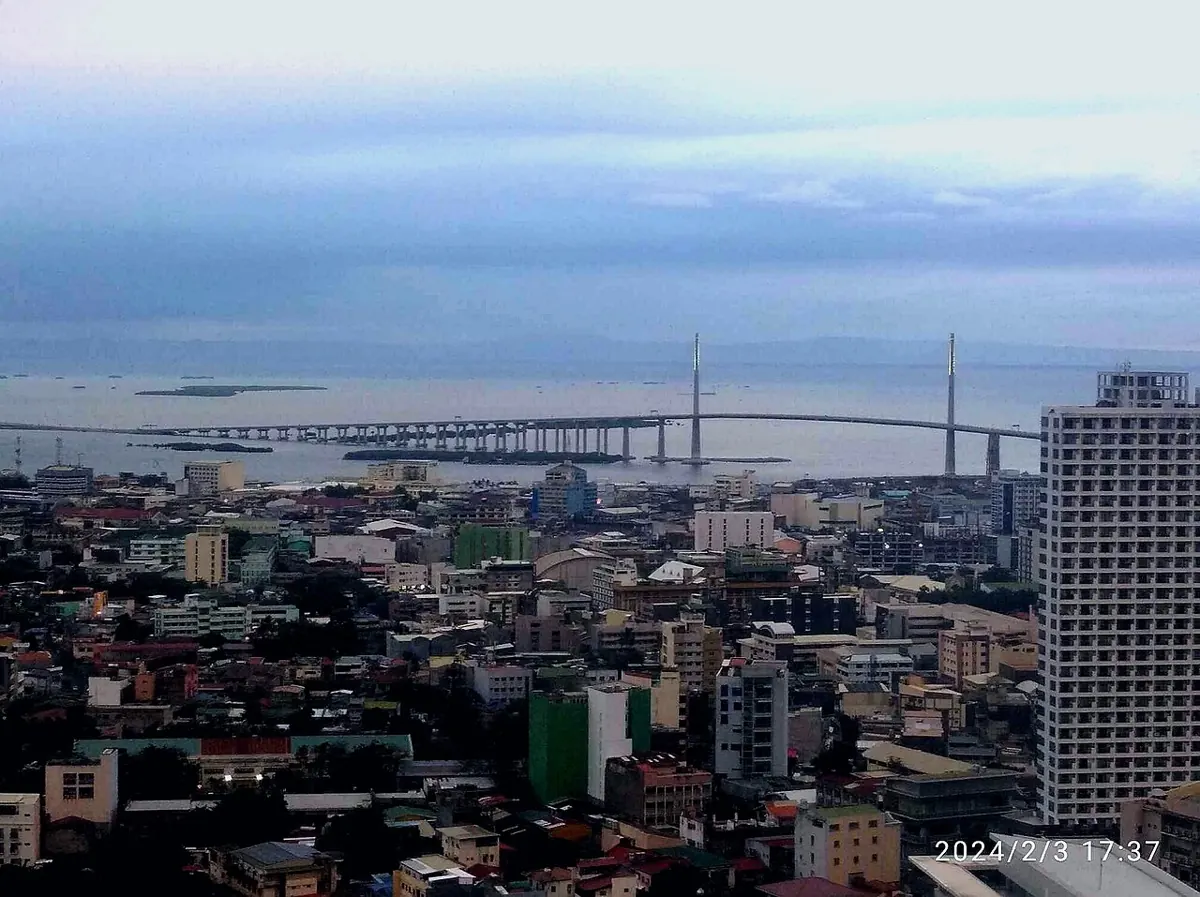
In Cebu City, Mayor Nestor Archival met officials of the Metropolitan Cebu Water District (MCWD), led by chairman Ruben Almendras. The Freeman reported that MCWD laid out possible responses if supply falls: tapping new water sources, sending water trucks, scheduled rationing in low-supply areas and stronger conservation campaigns. The utility is also working to raise production and cut system losses, and pump stations in Cebu City public schools have been proposed to improve access during shortages.
Archival urged residents to save water, saying every effort counts in preparing the city for El Niño.
What About Davao?
Davao City's water district says it does not expect rationing. MindaNews reported on November 5 that the Davao City Water District (DCWD) has set aside ₱15 million for in-line booster pumps in 24 critical areas across 16 barangays, targeted for completion in December. DCWD spokesperson JC Duhaylungsod said some elevated or hard-to-reach spots could see low pressure or no water at peak hours if bulk surface supply drops to critical levels, but not city-wide interruptions. If you rent or own in Davao, our guide on where to pay your DCWD water bill has the utility's payment channels.
The same MindaNews report cited PAGASA's assessment that a very strong El Niño is present in the tropical Pacific and is expected to last into the first half of 2027, possibly peaking by the end of 2026.
What Cebu Residents Can Do Now
- Store clean drinking water and fix leaking taps and pipes at home.
- Follow MCWD and your town or city hall for any rationing schedule. None had been published as of November 10.
- Upland households should watch for barangay announcements on truck delivery points.
- Check the latest conditions on our Cebu and Davao weather page and the Cebu hub.
For more local updates, see our news section.
Sources
- SunStar Cebu: Cebu readies water rationing as El Niño looms
- The Freeman (Philstar): Cebu braces for El Niño impact: Water rationing
- MindaNews: DCWD to install booster pumps to cushion impact of Super El Niño
Frequently Asked Questions
Has water rationing started in Cebu?
Not province-wide. As of November 10, the Capitol was preparing truck deliveries and rationing for areas that run short, starting with mountain barangays, but had not announced a start date.
Which Cebu areas get water trucks first?
Upland and mountain barangays and other places with limited water access are the priority, according to the Cebu Province Inter-LGU Waterworks System.
Will Davao City have water rationing?
DCWD says it does not expect rationing. It is installing booster pumps in 24 critical areas, where low pressure could still happen at peak hours if bulk supply drops sharply.