Peso Record Low: Philippine Peso Breaches P63 Per Dollar
The peso closed at P63.06 to the dollar on 15 October, its weakest finish on record. Here is why it fell, what inflation looks like in Cebu, and what to watch next.
In this article
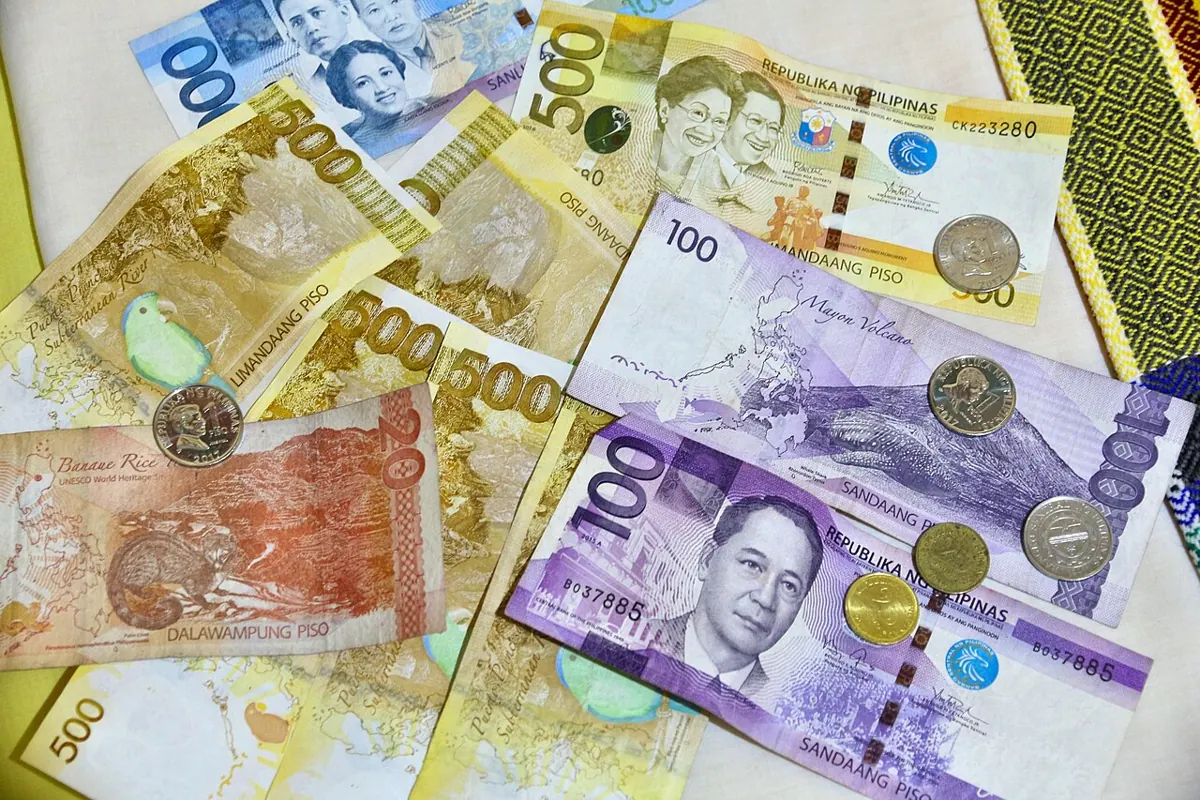
The Philippine peso closed at a peso record low of P63.06 per US dollar on Thursday, 15 October 2026, according to Bankers Association of the Philippines (BAP) data cited by SunStar and BusinessMirror. It is the first time the currency has finished beyond the P63 mark, and it keeps the pressure on prices for households in Cebu, Davao and the rest of the country.
What happened to the peso on 15 October
BusinessMirror reported that the peso ended the day 19 centavos weaker than Wednesday's close of P62.87. The previous weakest finish was around P62.90 on 8 October, so the currency has now broken its own record twice in about a week.
SunStar noted that the peso kept sliding even though the US dollar eased slightly from an 18-month high. Reports from the Daily Tribune carried the same P63.06 closing figure.
Why the peso keeps weakening
According to BusinessMirror, a US consumer price index reading that came in above expectations revived talk that the US Federal Reserve could raise rates again. Ruben Carlo Asuncion, chief economist at Union Bank of the Philippines, said the Fed is expected to keep rates higher for longer, which supports the dollar and reduces investor appetite for emerging-market currencies.
John Paolo Rivera of the Philippine Institute for Development Studies pointed to global uncertainty, high oil prices and steady demand for dollars. SunStar's summary of economists' views listed a strong dollar, high US interest rates and rising oil prices as the main causes.
Inflation: what it means for Cebu
A weaker peso makes imported goods, including fuel, food and raw materials, more expensive in pesos. SunStar reported that national inflation rose to 7.2 percent in September 2026 from 6.1 percent in August, driven mainly by food, transport and housing costs.
For Central Visayas, SunStar cited the Philippine Statistics Authority regional office (PSA Region 7) as putting September inflation at 8.4 percent in Cebu City, 6.8 percent in Mandaue and 5 percent in Lapu-Lapu.
| Area | September 2026 inflation |
|---|---|
| Philippines | 7.2% |
| Cebu City | 8.4% |
| Mandaue | 6.8% |
| Lapu-Lapu | 5% |
Winners and losers
Importers and firms with dollar-denominated debt are hit hardest because their costs rise when the peso falls, SunStar reported. Overseas Filipino workers' families, exporters and anyone earning in dollars get more pesos per dollar, although higher prices can cancel out some of that gain. For the latest remittance numbers, see our report on OFW remittances in August 2026.
What to watch next
BusinessMirror said the Bangko Sentral ng Pilipinas (BSP) is in its quiet period ahead of its policy meeting on 22 October, where a 25-basis-point rate hike is expected. Asuncion told the paper the peso may stay volatile and generally biased toward weakness.
How to cope with rising prices
- Compare your monthly costs against our cost of living guide for Cebu and Davao.
- Use digital wallets that show fees clearly; see our GCash vs Maya guide.
- Follow local updates on our news page and the BSP's own announcements at bsp.gov.ph.
Sources
- SunStar: Peso breaches P63 per dollar for first time
- BusinessMirror: Peso seen to stay volatile, hits record low of P63.06 per US dollar
- Daily Tribune: Peso hits record-low close of P63.06 as stocks rebound
Frequently Asked Questions
What was the peso's record low on 15 October 2026?
The peso closed at P63.06 per US dollar, according to BAP data cited by SunStar and BusinessMirror. That is the weakest close on record.
Why did the peso weaken?
Economists quoted by BusinessMirror and SunStar cited a strong US dollar, expectations that US interest rates stay high, rising oil prices and domestic inflation concerns.
When is the next BSP rate decision?
BusinessMirror reported that the BSP's policy meeting is on 22 October 2026, with a 25-basis-point hike expected. Check the BSP website for the official announcement.