Hotel, Hostel, or Travel Home? What’s Best for Your Trip
When planning a getaway, where you rest your head at night can make or break your experience. Should you opt for a hotel’s polished amenities, the social buzz of a hostel, or the…
In this article
When planning a getaway, where you rest your head at night can make or break your experience. Should you opt for a hotel’s polished amenities, the social buzz of a hostel, or the cozy feel of a travel home? Each accommodation type offers unique benefits, and the best choice depends on your travel style, budget, and expectations. Let’s explore the pros and cons of hotels, hostels, and travel homes—and see how apartment living relates to your lodging choices.
Hotels: Convenience and Comfort in One
Best for: Business travelers, luxury seekers, short stays
Hotels are the traditional go-to for travelers who prioritize convenience, security, and consistent service. From budget inns to 5-star resorts, hotels offer a range of accommodations for nearly every type of traveler.
Pros:
-
Professional Service: Daily housekeeping, concierge service, and front-desk support provide a stress-free experience.
-
Amenities: Think pools, gyms, breakfast buffets, room service, and spas—all under one roof.
-
Prime Locations: Hotels are often located near major attractions, airports, or city centers.
Cons:
-
Cost: Hotels can be pricey, especially in major cities or during peak seasons.
-
Limited Space: Hotel rooms are typically smaller than other accommodation types and may feel cramped for longer stays.
-
Less Personal: Hotels are commercial spaces with less opportunity for unique or local touches.
When it’s ideal: If you’re taking a business trip or want a worry-free, pampered vacation, hotels deliver reliability and service.
Hostels: Affordable and Social
Best for: Budget travelers, backpackers, solo adventurers
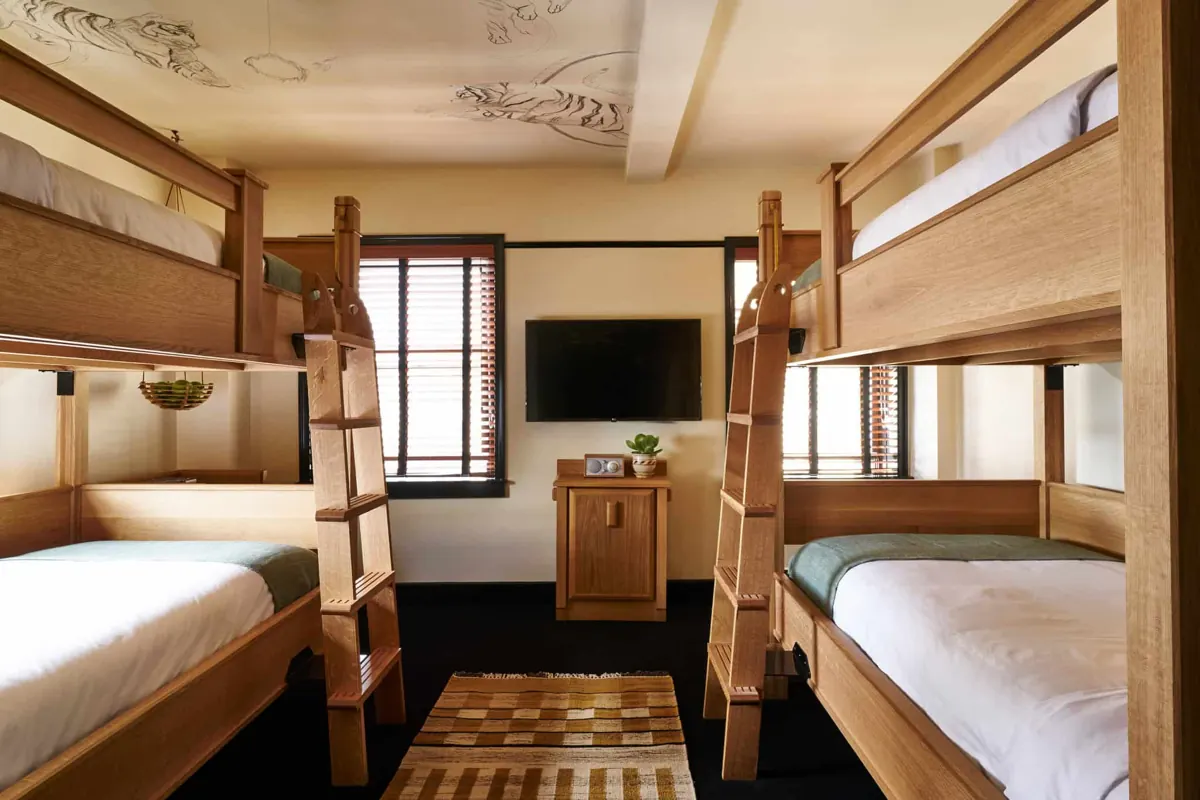
Hostels have evolved beyond bunk beds and shared bathrooms. Modern hostels offer private rooms, curated events, and sleek design—all at budget-friendly prices.
Pros:
-
Low Cost: Hostels are often the cheapest lodging option, especially for solo travelers.
-
Community Atmosphere: Shared kitchens, lounges, and group activities make it easy to meet fellow travelers.
-
Cultural Exchange: Many hostels host international travelers, offering an opportunity to learn about different cultures.
Cons:
-
Privacy Trade-Off: Shared dorms and bathrooms mean less privacy and personal space.
-
Noise Levels: Social areas and roommates can lead to disruptions, especially for light sleepers.
-
Variable Quality: The experience can vary widely depending on the hostel’s management and upkeep.
When it’s ideal: If you’re on a budget and enjoy meeting new people, hostels offer a dynamic and social environment.
Travel Homes: Live Like a Local
Best for: Families, groups, long-term travelers
Travel homes—such as Airbnb, Vrbo, or vacation rentals—are increasingly popular for travelers who want space, autonomy, and a more residential feel. They often come with kitchens, living rooms, and multiple bedrooms, making them a solid choice for extended stays or group travel.
Pros:
-
Space and Flexibility: You get an entire home or apartment, often with full kitchens and laundry.
-
Local Experience: Staying in a neighborhood gives you a glimpse of everyday life in your destination.
-
Ideal for Groups: Splitting a travel home with friends or family can be more cost-effective than booking multiple hotel rooms.
Cons:
-
Fewer Services: Unlike hotels, you won’t have room service, daily cleaning, or front desk support.
-
Variable Standards: The quality and accuracy of listings can vary significantly.
-
Extra Fees: Cleaning charges and service fees can quickly add up.
When it’s ideal: Perfect for travelers seeking independence, longer stays, or a homey atmosphere.
From Travel Home to Apartment Life — A Seamless Transition
If you’ve fallen in love with the space and autonomy of travel homes, you’re not alone. Many travelers who enjoy travel homes eventually find themselves drawn to apartment living—especially for extended stays, workations, or remote work setups.
So how does apartment life compare to travel homes?
-
Similar Setup: Many travel homes mirror the features of an apartment—kitchens, living areas, and private bedrooms. If you find joy in cooking meals or having a separate workspace while traveling, an apartment might suit your lifestyle even after the trip.
-
Flexible Leases: Some apartments, especially those designed for digital nomads or corporate travelers, offer short-term leases or furnished units—blurring the lines between travel home and long-term stay.
-
Amenities Without the Crowd: Luxury apartment communities often offer resort-style pools, gyms, co-working lounges, and even dog parks—rivaling hotel amenities with the added comfort of privacy and community.
-
Work-from-Anywhere Appeal: If you’re working remotely while traveling, apartments or extended-stay rentals provide more comfort and functionality than hotel rooms or hostels.
In essence, if your travel habits lean toward independence, comfort, and a “home-away-from-home” feel, transitioning into apartment-style accommodations—or even choosing to live in an apartment full-time—could be the next logical step.
Final Thoughts: Which Is Best for Your Trip?
There’s no one-size-fits-all answer when it comes to choosing between a hotel, hostel, or travel home. Here’s a quick guide based on your needs:
| Need | Best Option |
|---|---|
| Short stay with top-tier service | Hotel |
| Tight budget and social experience | Hostel |
| Longer trip, privacy, and space | Travel Home |
| Work-from-anywhere or extended relocation | Apartment-style stay |
Whether you’re chasing new adventures, working remotely, or taking a break from your everyday routine, the right lodging can enhance your travel experience. Evaluate your needs, budget, and comfort level—and don’t be afraid to mix it up depending on your destination.
And who knows? That cozy travel home might just inspire your next long-term apartment move.