Corporate Travelers: Why Extended-Stay Apartments Beat Hotels
For today’s busy corporate travelers, comfort, convenience, and cost-efficiency are critical. While hotels have traditionally been the go-to for business trips, extended-stay…
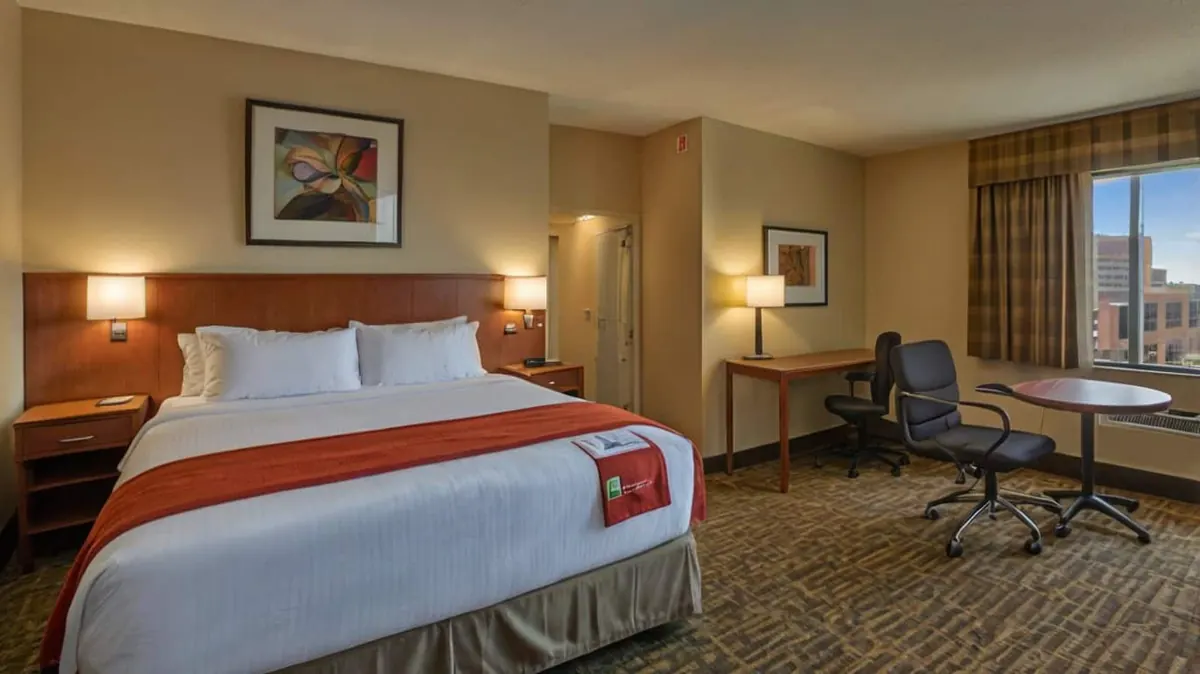
For today’s busy corporate travelers, comfort, convenience, and cost-efficiency are critical. While hotels have traditionally been the go-to for business trips, extended-stay apartments are rapidly becoming the smarter choice. From more space to better pricing and a homier feel, these modern accommodations cater perfectly to the needs of professionals on the go. Let’s explore why extended-stay apartments consistently outperform hotels for corporate travel—and how this choice can even tie into broader real estate and insurance considerations.
1. More Space, More Comfort
One of the most significant advantages of extended-stay apartments is space. Unlike hotels that offer a single room with limited amenities, extended-stay units often include a full kitchen, living room, bedroom, and bathroom, providing a more residential feel. This setup is especially beneficial for business travelers staying longer than a week, as it allows them to unwind in a setting that feels more like home.
Moreover, when staying in an extended-stay apartment, corporate guests can cook their own meals, do laundry, and spread out their work, all without the cramped feeling of a typical hotel room. This leads to increased productivity and better overall well-being during business trips.
2. Cost-Efficiency and Flexibility
Hotels can be costly—especially for long-term stays. Most extended-stay apartments offer significantly better rates for weekly or monthly stays, making them ideal for companies looking to cut costs without sacrificing comfort. Many apartment communities now offer corporate leasing packages or flexible terms like month-to-month leasing, which appeals to businesses managing temporary projects or relocating staff.
Additionally, for those managing real estate or insurance matters during a corporate relocation or extended assignment, having flexible lease options can be a lifesaver. For example, if you’re relocating due to a disaster or construction delay, using services like Texas Insurance Appraiser can help you determine whether you’re eligible for a fair insurance appraisal—which may help cover temporary housing like extended-stay rentals.
3. A Smarter Option During Insurance Claims
Disasters such as fires, floods, or storms can displace homeowners and renters alike—sometimes for weeks or months. For corporate travelers caught in these situations or sent on temporary relocation assignments to assist with post-disaster recovery, extended-stay apartments provide an ideal housing solution.
Insurance experts often recommend furnished apartments when filing for Additional Living Expenses (ALE) under homeowner or renter insurance policies. As noted by the Texas Department of Insurance, ALE coverage helps pay for increased housing costs when you’re forced to leave your home due to a covered loss. Choosing an apartment with kitchen access and basic utilities included may be more affordable than a hotel, potentially easing reimbursement through your insurer.
Companies like Texas Insurance Appraiser work with both individuals and businesses to challenge unfair insurance valuations, ensuring you get proper compensation—including support for temporary housing during claims resolution. If you’re a corporate traveler navigating an insurance issue, understanding your appraisal rights can prevent unnecessary stress during your stay.
4. Long-Term Productivity Perks
Many business professionals need more than just a bed and Wi-Fi—they need a stable, quiet, and functional space where they can work effectively. Extended-stay apartments typically come with designated work areas, reliable high-speed internet, and often even shared business centers or conference rooms within the complex. This kind of setup supports better work-life balance and enhances efficiency compared to constantly working from a hotel lobby or tiny desk.
Some properties even offer amenities such as fitness centers, rooftop lounges, and co-working spaces, turning your extended stay into a more well-rounded, enjoyable experience. With features like these, business travelers can maintain routines and stay healthier and more engaged—even while away from home.
5. Privacy and a “Local” Feel
Another big win for extended-stay apartments is the level of privacy and integration into local life. Unlike hotels that feel transient and often tourist-oriented, extended-stay apartments give professionals a taste of real residential living. This can be especially important for corporate travelers adjusting to new environments, such as during relocations or long-term consulting engagements.
In fact, the U.S. General Services Administration (GSA) even includes extended-stay apartments in its list of per diem lodging options for government and contract workers, recognizing them as a legitimate and often superior alternative to hotels for long-term travel.
6. Security and Peace of Mind
Security is another underrated benefit. Extended-stay apartments are often located in gated communities or secure buildings, with features such as keyless entry, security patrols, and on-site property management. This level of safety is not always present in standard hotels, particularly budget or roadside accommodations.
Furthermore, for those staying due to insurance reasons, having a secure, temporary residence can be critical while repairs are ongoing at your home. If you suspect your insurance claim isn’t being properly addressed, consulting with an appraisal expert at Texas Insurance Appraiser may help you fight back against low offers or claim denials.
A Better Choice for Corporate Travel
While hotels may still have their place in short-term business trips, the advantages of extended-stay apartments are undeniable for corporate travelers needing longer accommodations. Greater space, better pricing, more flexibility, privacy, and home-like amenities make them the preferred option for modern professionals.
Whether you’re temporarily relocated, working on a long project, or managing the aftermath of an insurance claim, consider extended-stay apartments not just as a place to stay—but as a better way to live and work.
If you’re navigating housing due to an insurance claim, don’t forget that resources like Texas Insurance Appraiser can assist in ensuring your temporary accommodation costs are fairly covered. And for general policy support, always check with trusted agencies like the Texas Department of Insurance to better understand your rights.